
Are You Actually Serving the Professionals?
I’ve walked through hundreds of trade shows over the past decade, and one question always lingers in my mind: “Is this event really built for the professionals it claims to attract?”
It’s easy to get lost in flashy booths, celebrity keynote speakers, and gimmicky giveaways. But for professional visitors—decision-makers, buyers, and industry leaders—the real question is whether the show respects their time and delivers value.
That’s where A Guide to Trade Show planning becomes crucial.
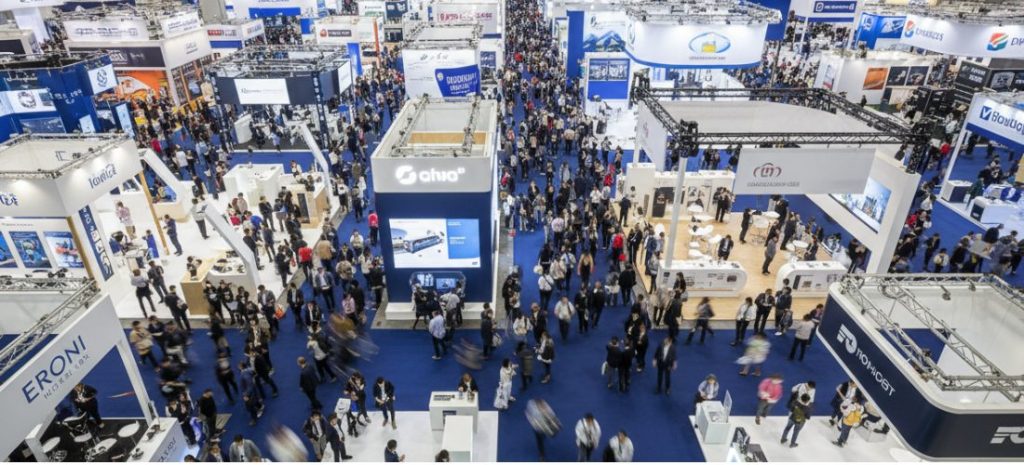
Understanding the Professional Visitor
The first misstep many organisers make is treating all attendees the same.
Professional visitors have very specific goals:
- Spot the latest innovations
- Evaluate suppliers quickly
- Network with peers and industry leaders
If your event isn’t structured to help them do these things efficiently, you’re just creating noise—and your ROI suffers.
From my experience, even small tweaks—like better signage, clear navigation, or targeted session tracks—can drastically improve the professional visitor experience.
Start with the Right Layout and Flow
Think of the exhibition hall as a chessboard. Every aisle, booth, and lounge should serve a purpose.
Best practices include:
- Logical zoning: Group exhibitors by sector or product type to reduce attendee fatigue.
- Clear navigation: Maps, apps, and signage must guide visitors without confusion.
- Open spaces: Give attendees room to pause, chat, and digest information.
If a visitor struggles to find relevant exhibitors, it doesn’t matter how impressive your keynote speaker is—their perception of the show drops.
Programming that Adds Value
Professional visitors aren’t just there to wander—they want insights.
Panels, workshops, and one-on-one demo sessions should be designed with their needs in mind. That means:
- Focusing on actionable content, not filler.
- Ensuring presenters are credible and relevant.
- Scheduling sessions at times that don’t clash with peak exhibition hours.
This approach separates shows that feel like networking parties from ones that feel like industry resources.
Technology: Use It Wisely
Apps, lead scanners, and registration systems can be lifesavers—or headaches.
From my perspective, technology works best when it simplifies the experience. A few tips:
- Provide pre-show matchmaking tools to connect attendees with exhibitors.
- Offer a digital map that updates in real time.
- Use data insights to track traffic patterns and improve flow next time.
But beware: overloading visitors with notifications or requiring apps for basic navigation often backfires. Balance is key.
Exhibitor Support: Everyone Benefits
Professional visitors expect quality from both the show and its exhibitors. That means organisers need to help exhibitors shine.
Some actionable strategies:
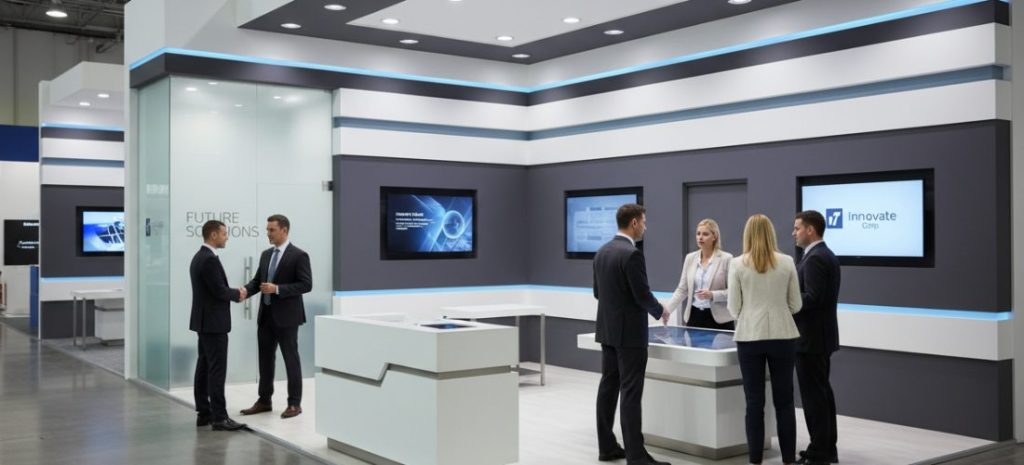
- Offer booth guidelines that encourage clear branding and professional displays.
- Provide tools for smooth logistics and setup.
- Educate exhibitors on professional etiquette and engagement strategies.
When exhibitors perform well, visitors leave satisfied—and they’re more likely to return next year.
Timing, Marketing, and Communication
Even the best-planned trade show can fail if professionals don’t know when and why to attend.
Effective marketing should:
- Target industry-specific channels.
- Highlight tangible takeaways for professionals.
- Communicate logistics clearly to avoid wasted trips.
In my experience, clarity beats hype every time. Professionals appreciate straight-forward, honest communication more than flashy promotions.
The Takeaway
Creating a trade show for professional visitors isn’t about extravagance—it’s about structure, purpose, and respect.
Following A Guide to Trade Show principles means:
- Knowing your audience and their goals
- Designing layout and flow for efficiency
- Providing valuable programming
- Using technology thoughtfully
- Supporting exhibitors so they can deliver quality
Get these elements right, and you’ll build a trade show that professionals genuinely want to attend—and that sponsors and exhibitors will happily support.
References
- Centre for Exhibition Industry Research (CEIR) – Best Practices for Trade Shows
- Exhibitor Online – Planning & Operation Tips for Professional Events
