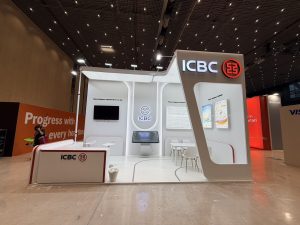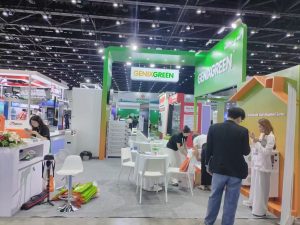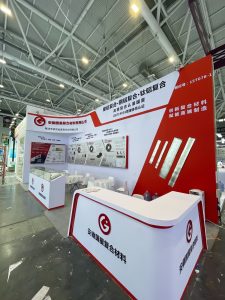
Trade Show Walls: How to Choose, Design, and Optimize for Maximum Impact
When preparing for a trade show, exhibitors often face the same set of questions: “Which type of trade show wall should I choose? Can it support shelves or hanging displays? Will it be too difficult to transport? How can I manage my budget effectively? How can I design it so that attendees stay longer at my booth?” These concerns reflect the real challenges exhibitors encounter when designing and building trade show walls.
A trade show wall is not merely a partition; it is a critical brand touchpoint. Choosing the wrong type can lead to poor display effectiveness, wasted budget, or even safety risks. This article provides a complete guide for exhibitors, addressing material choices, functional requirements, weight and transportation, budget planning, attendee experience, and safety compliance, so you can make informed decisions and maximize your trade show ROI.
Defining Trade Show Walls and Scope of the Problem
Trade show walls serve multiple purposes: separating spaces, displaying brand messaging, showcasing products, and attracting attendees. The type and material of a wall directly influence load-bearing capacity, transport requirements, assembly efficiency, and attendee experience. Currently, information about trade show walls is fragmented, covering modular walls, fabric walls, lightweight panels, pop-up systems, and light backdrops. Each material has distinct properties regarding strength, flexibility, cost, and transportability, making the selection process complex for new exhibitors.
A recurring challenge is the tension between functionality and weight. Many exhibitors want to attach shelves, display units, or lighting to their walls, but lightweight walls often cannot support such loads. At the same time, exhibitors prefer walls to be light for easier transport, creating a trade-off between strength and convenience that complicates decision-making.
Understanding Materials: Strengths, Weight, and Applications
Trade show walls come in a variety of materials, each offering unique advantages and limitations:
- Wood / MDF Panels: Solid and durable, capable of high load-bearing (up to 30–40 kg/㎡), ideal for attaching shelves or product displays. They are heavy, expensive to transport, and typically require professional assembly, making them suitable for medium- to long-term exhibitions.
- Aluminum Frame + Panel Walls: Lightweight yet strong, supporting around 20–50 kg/㎡. Aluminum walls balance load capacity, weight, and modularity. They are reusable, easy to transport, and often favored by exhibitors attending multiple trade shows annually.
- Fabric Walls: Extremely lightweight (5–10 kg/㎡), usually stretched over a frame. While easy to transport and assemble, they cannot bear heavy objects. They are ideal for graphics, branding, and temporary displays, but are unsuitable for shelves or heavy hanging items.
- Composite Panels: These walls combine lightweight core materials with reinforced surfaces, supporting higher loads (up to 80 kg/㎡) while maintaining relatively low weight. They are more expensive but suitable for high-end exhibitions that require both aesthetic appeal and functional versatility.
- Light Backdrops / Light Walls: These are specialized walls designed primarily to illuminate graphics or branding elements. Typically made from thin aluminum or acrylic panels with integrated LED lighting, light backdrops weigh very little (5–15 kg/㎡) and are visually striking. They are ideal for graphic emphasis, photography zones, or brand visibility, but their structural strength is minimal. Light backdrops cannot support shelves, hanging products, or heavy lighting, and require careful positioning and stability measures to prevent tipping. They are best paired with reinforced frames or modular supports when some load is needed.
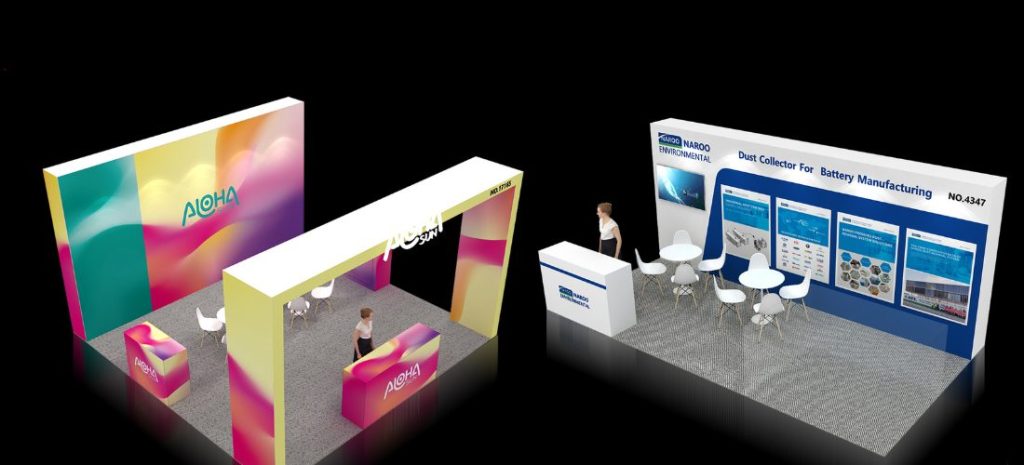
Zip-Up / Pop-Up Booths: Quick Deploy, Lightweight Solutions
Zip-up or pop-up booths are collapsible wall systems that can be zipped or folded into a compact form for transportation. They are widely used in exhibitions where speed and portability are priorities.
They are extremely lightweight, allowing fast setup and teardown, often in under 15–20 minutes, making them ideal for temporary graphics or branding panels. However, pop-up booths have a minimal load-bearing capacity, making them unsuitable for hanging shelves, products, or heavy lighting fixtures. Over repeated use, they may lose structural integrity. Pop-up booths are best suited for small trade shows, marketing events, or scenarios where shipping costs and quick setup are priorities.
Challenges in Practice: Case Studies
Conflicts between functionality and load capacity are common. At CES 2025, a technology company mounted lighting fixtures on a lightweight fabric wall. Several lights fell during the event, creating safety hazards and additional costs. Similarly, transport and weight present challenges: heavier walls support more equipment but are expensive and cumbersome to ship, while lighter walls are easy to handle but limited in functionality. Budget planning also requires balance: cheaper walls may compromise functionality or experience, while more expensive walls without long-term reuse can waste money.
Design experience is another critical factor. Walls influence attendee flow and brand perception. Interactive designs increase photo engagement by 50% and extend attendee dwell time by 20–35%, boosting lead conversion. Safety regulations further complicate design: walls must meet fire retardant standards (NFPA 701, ASTM E84), structural requirements, and emergency egress rules. Noncompliance can lead to legal or financial consequences.
Light backdrops, while visually striking, require careful planning. Their low structural strength makes them vulnerable to tipping if not properly secured, and they cannot bear additional display weight. However, they excel in creating photography-friendly zones and high-visibility branding areas, especially in combination with lightweight modular walls or frames that provide stability.
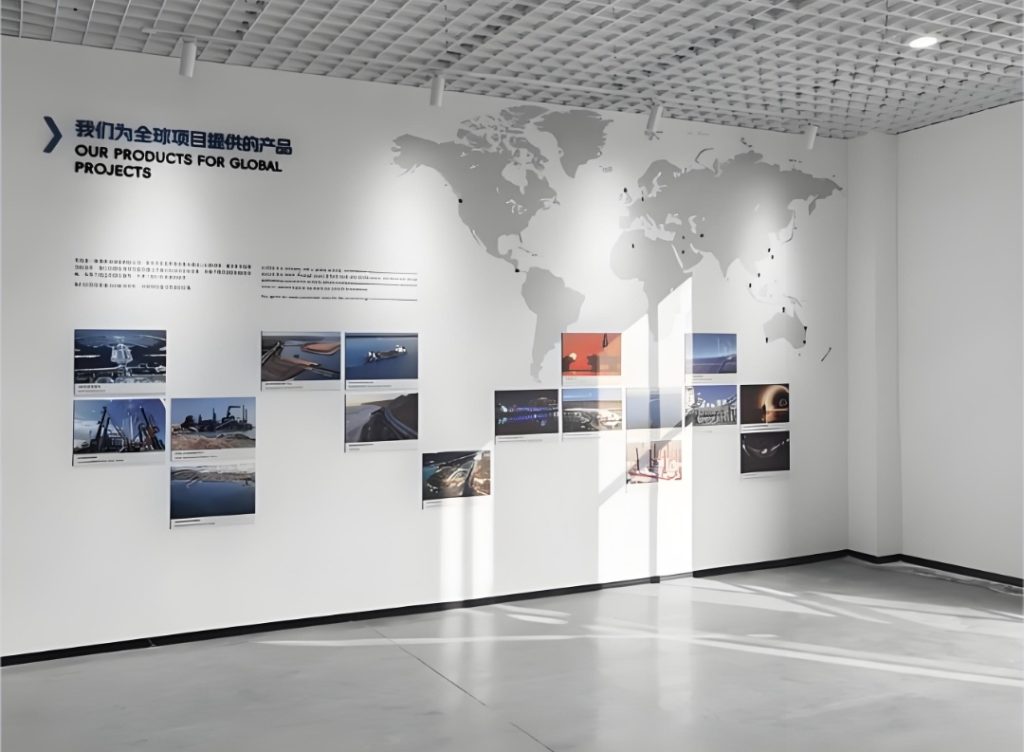
Analysis: Balancing Functionality, Material, Weight, and Experience
Selecting the right wall starts with understanding functional requirements and load-bearing capacity. Modular hollow walls support 5–10 kg/㎡, aluminum-framed panels 20–50 kg/㎡, composite panels up to 80 kg/㎡, while fabric, pop-up, and light backdrops support minimal weight. Exhibitors must align wall type with the intended display, including shelves, products, or lighting, and incorporate safety factors. Localized reinforcement can allow lightweight walls to bear heavier loads.
Weight and transport are intertwined with material choice. Wooden walls weigh 25–30 kg/㎡, aluminum 15–20 kg/㎡, fabric, pop-up, and light walls 5–15 kg/㎡. Lightweight systems reduce setup time by 40% and transport costs by 30%, but may require additional bracing. Budget planning should consider both upfront costs and potential reuse, balancing functional needs with long-term ROI. Case studies demonstrate that investing slightly more in load-bearing walls can increase attendee dwell time by 30%, enhancing lead conversion by 25%.
Design experience should integrate visual appeal, interactive elements, and guided attendee flow without compromising weight or functionality. Light backdrops provide striking visual effects, especially for photo zones, but should be supported by stable frames when paired with heavier display elements.
Finally, compliance with safety standards is non-negotiable. Walls must meet fire-retardant and structural requirements. Using certified materials and modular safety design ensures both compliance and design flexibility.
Recommendations for Exhibitors
A successful trade show wall strategy balances multiple factors. Clarify functional needs and choose wall materials that meet load requirements. Optimize weight and transportation: lightweight modular, pop-up, or light walls reduce costs and setup time, while aluminum or composite panels allow more functional displays. Budget planning should incorporate upfront costs and reuse potential. Design walls for maximum attendee engagement through visuals, interactive elements, and guided flow. Ensure all walls, especially light backdrops, meet structural and fire safety standards, and are properly reinforced if additional weight is needed.
A practical SMART approach could include selecting walls with at least 20 kg/㎡ load capacity for heavier displays, keeping transport costs under 20% of the total budget, using modular or pop-up designs to allow setup within four hours, ensuring compliance with safety regulations, and confirming wall design with suppliers at least two months before the exhibition.
References
- Javits Center. (2025) Exhibitor Safety and Insurance Requirements. New York: New York Convention Center Operating Corporation. (Accessed: 3 Feb 2026).
- CES. (2025) Exhibition Design Case Studies. Las Vegas: Consumer Technology Association.
- NFPA. (2024) NFPA 701: Standard Methods of Fire Tests for Flame Propagation of Textiles and Films. Quincy: National Fire Protection Association.
- ASTM International. (2023) ASTM E84: Standard Test Method for Surface Burning Characteristics of Building Materials. West Conshohocken: ASTM International.
- International Trade Show Logistics Report. (2024) Transport Costs and Assembly Efficiency in Global Trade Shows. London: Global Exhibition Research Institute.