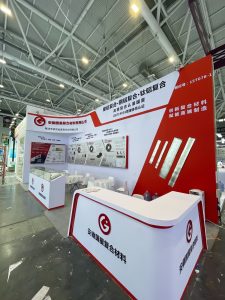
You’ve probably heard this before: “Trade shows are expensive.” And honestly, that’s not the real problem.
The real problem is this: many companies spend months preparing for a show and still walk away wondering what exactly they achieved. A few business cards. Some polite conversations. Maybe a handful of leads that never convert.
So the obvious question becomes: What went wrong?
After covering dozens of events — from industrial expos to global technology exhibitions — I’ve noticed something consistent. Companies rarely fail because their product isn’t good. They fail because their Trade Show Preparation was rushed, unfocused, or built around assumptions rather than strategy.
Trade shows can still work. But only if preparation is intentional. Let’s break down what that actually looks like.
1. Start With the Hard Question: Why Are You Exhibiting?
Before thinking about booth design, shipping crates, or fancy brochures, there’s a simpler question that most teams skip.
Why are we attending this show at all?
It sounds basic, but it matters. A strong Trade Show Preparation plan starts with defining clear goals. And those goals should be measurable.
For example:
Generate qualified leads and identify potential customers interested in your products or services.
Introduce new products to a targeted industry audience and create early awareness.
Connect with potential partners, distributors, or resellers who can expand your market reach.
Gather insights from visitors, competitors, and industry trends to understand market demand.
Increase brand recognition and establish a presence in new geographic markets.
Some companies try to accomplish all five at once. Maybe that works sometimes. But more often, it spreads the team thin.
Others suggest focusing on one or two core objectives. If this show delivers those outcomes, the investment makes sense.
2. Know the Audience Before You Design the Booth
I’ve seen beautiful booths fail. And I’ve seen simple booths outperform everything around them.
The difference usually comes down to one thing: audience alignment.
Good Trade Show Preparation means understanding who actually walks the exhibition floor.
Ask questions like:
- Are visitors decision-makers or researchers?
- Are they looking for suppliers or just industry insights?
- Are they technical buyers or marketing professionals?
If your messaging doesn’t match their expectations, the booth becomes background noise.
Others in the industry suggest conducting simple pre-show research — reviewing attendee profiles, past exhibitor feedback, or event reports. It’s not glamorous work, but it often reveals what people truly care about.
3. Booth Strategy Matters More Than Booth Size
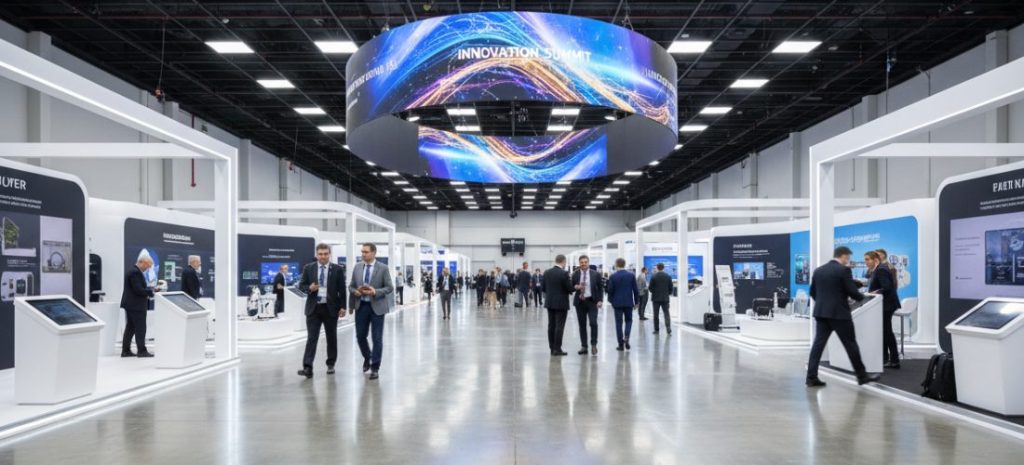
A larger booth doesn’t automatically mean better results. I’ve walked through halls where massive structures were completely empty while smaller stands stayed busy all day.
What works better during Trade Show Preparation is designing a booth around interaction, not just appearance.
Practical elements that help include:
Trade Show Booth Best Practices
Clear Product Demonstrations
Showcase your products clearly so visitors instantly understand the value and functionality.
Open Booth Layouts
Create an inviting space that encourages attendees to enter and explore without feeling crowded.
Visual Messaging Visible from the Aisle
Use signs and graphics that communicate your key message even to passersby at a distance.
Staff Positioned to Start Conversations
Strategically place your team to greet visitors, answer questions, and engage in meaningful discussions.
Maybe the booth includes a small demo stage. Maybe it focuses on hands-on interaction with a prototype.
The key idea is simple: people engage when something invites participation.
4. Pre-Show Marketing Is Where Many Teams Fall Short
Here’s a truth that surprises many first-time exhibitors: most successful trade show meetings are scheduled before the show even starts.
Yet pre-event outreach is often neglected during Trade Show Preparation.
Companies assume foot traffic will solve everything. Sometimes it does. But often it doesn’t.
More effective exhibitors tend to:
- Send invitation emails to prospects
- Schedule meetings ahead of time
- Promote booth activities on LinkedIn
- Announce product launches before the show
This kind of outreach creates momentum. Visitors arrive already aware of your presence.
Without that awareness, the booth has to work much harder.

5. Train Your Booth Staff (This One Is Often Ignored)
One of the most overlooked steps in Trade Show Preparation is staff training.
The assumption is simple: “Our team knows the product. They’ll figure it out.”
But a trade show environment is different from a normal sales meeting. Conversations are short. Attention spans are limited. And visitors move quickly.
Effective booth teams usually follow a simple structure:
- Engage — greet visitors naturally
- Qualify — ask quick questions about needs
- Demonstrate — show the relevant solution
- Capture — record lead information
It sounds obvious, but many booths skip steps two and four. The result? Plenty of conversations, very few usable leads.
6. Logistics: The Hidden Side of Trade Show Preparation
Logistics may not be exciting, but they can make or break the event.
Shipping delays, missing equipment, or incomplete booth structures can create unnecessary stress on opening day.
Good preparation usually includes:
- Early shipping schedules
- Backup promotional materials
- Confirmed booth installation timelines
- Technical checks for screens or demo equipment
Others suggest building a detailed event checklist weeks in advance. It’s simple but effective.
Trade shows move fast. The last thing any team needs is logistical chaos.
7. Post-Show Follow-Up Determines Real ROI
Here’s another uncomfortable truth: the real value of a trade show often appears after the event ends.
Leads collected during the show need quick follow-up. Otherwise, interest fades.
A good Trade Show Preparation plan already includes post-event strategy.
Typical follow-up steps include:
- Personalised emails within a few days
- Product information or proposals
- CRM lead tracking
- Internal performance review
If follow-up takes weeks, opportunities usually disappear. Buyers have moved on.
Final Thoughts
Trade shows haven’t disappeared. In many industries, they remain one of the few places where serious buyers and suppliers meet face to face.
But success rarely happens by accident.
Strong Trade Show Preparation means thinking beyond the booth. It’s about strategy, audience understanding, staff readiness, and disciplined follow-up.
None of these steps are complicated. But together they determine whether a company walks away with real opportunities — or just a stack of business cards.
Maybe the difference between a costly event and a productive one is simply this: planning with intention rather than assumption.
References
Kotler, P. & Keller, K.L. Marketing Management — insights on buyer behaviour and marketing strategy.
Trade Show Executive. Industry research on trade show performance and exhibitor engagement.