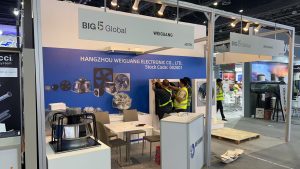
Milwaukee trade show booth strategies are becoming far more important for exhibitors trying to stand out in crowded exhibition halls.
Most exhibitors still think a good location is enough.
It isn’t.
I noticed this at a manufacturing exhibition earlier this year, where several companies had strong floor positions near major entrances. On paper, they should have been busy all day.
Some weren’t.
Visitors walked past oversized displays without slowing down. The booths looked expensive, but honestly, they also looked confusing. Too much messaging. Too many visual distractions. No obvious reason to stop.
Then there were a few Milwaukee trade show booth spaces attracting steady traffic almost nonstop.
Not because they were the biggest.
Because they felt easier to engage with.
Clear branding. Open layouts. Staff who looked approachable. Product display information that visitors could understand within seconds.
That difference matters more now because exhibition halls are louder and more competitive than ever.
Visitors make decisions quickly.
If the booth feels complicated, people move on.
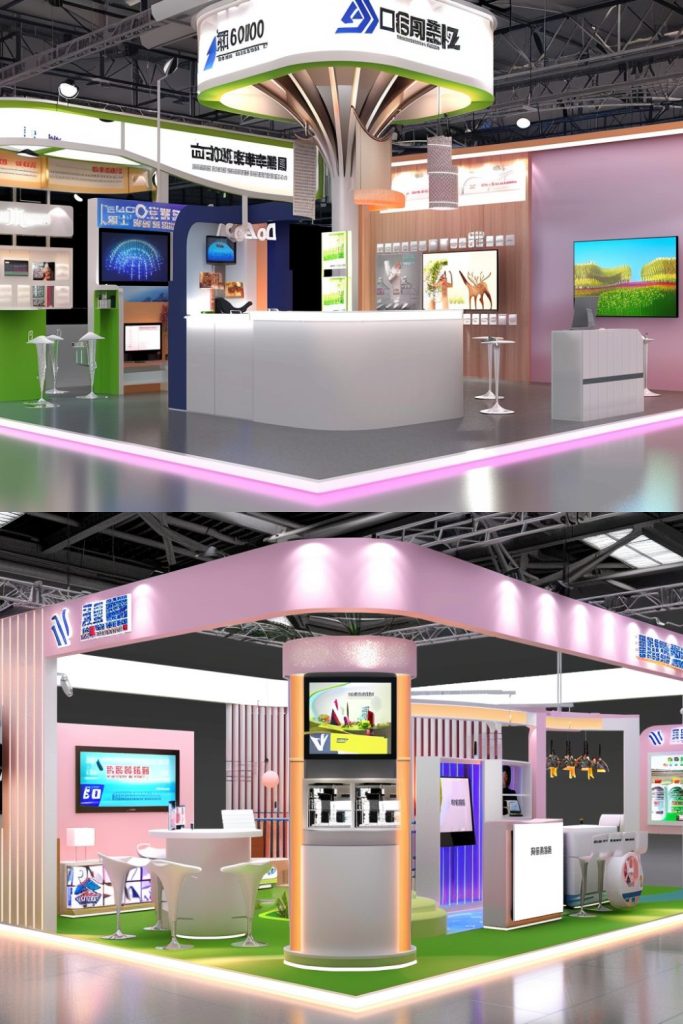
Why companies are paying closer attention to booth strategy
A few years ago, many exhibitors mainly focused on booth construction.
Now they’re paying far more attention to:
- visitor flow
- engagement time
- lead quality
- product interaction
- brand perception
That changes how a Milwaukee trade show booth gets planned from the beginning.
Because once companies focus on behaviour instead of decoration, booth decisions become much clearer.
The strongest exhibition spaces I’ve seen recently usually prioritise:
- visible branding from a distance
- cleaner trade show graphics
- open entrances
- practical meeting areas
- simplified messaging
Some brands still assume larger booths automatically create stronger results.
Sometimes they do.
But often, clarity performs better than complexity.
Choosing the right trade show booth company matters more than people realise
This part gets underestimated constantly.
A booth may look impressive in renderings but fail completely during installation if the execution team lacks experience.
I’ve seen exhibitors deal with:
- delayed graphics
- damaged structures
- missing hardware
- rushed installations
- incorrect booth dimensions
That’s why experienced exhibitors spend more time selecting a reliable trade show booth company before production even starts.
Others suggest the strongest exhibition partners now act more like operational managers than simple contractors. They coordinate logistics, production schedules, installation crews, storage, and technical support all at once.
And honestly, trade shows move too quickly now for poor planning to stay hidden for long.
One mistake becomes visible immediately on the show floor.
Trusted trade show booth builders are becoming long-term partners
This shift is interesting because many exhibitors are attending more events each year while expecting faster turnaround times.
That creates pressure.
Instead of changing suppliers constantly, more brands are working with trusted trade show booth builders who already understand:
- the company’s products
- previous booth layouts
- branding standards
- installation preferences
- event timelines
That familiarity reduces mistakes.
It also makes scaling exhibition programmes easier across multiple cities and venues.
Some exhibitors are even combining modular systems with custom branding so booths can adapt across different trade shows without rebuilding everything from scratch.
And honestly, flexibility matters more now than it did a few years ago.
Maybe successful booths feel simpler than people expect
There’s probably a bigger lesson behind all this.
The busiest booths are not always the most expensive.
They’re often the easiest to understand.
Visitors remember:
- whether the booth felt approachable
- whether the messaging was clear
- whether conversations started naturally
- whether the experience felt useful
That’s usually what creates engagement.
And maybe that’s why successful Milwaukee trade show booth strategies are shifting away from oversized structures and towards smarter visitor experiences instead.