Short answer
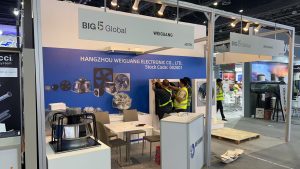
Exhibition booth costs in Africa range from EUR 8,000 to EUR 50,000 in 2026. A standard 50 sqm custom booth in Nigeria, South Africa or Kenya typically costs EUR 12,000–EUR 25,000. Local fabrication, logistics within the continent and venue drayage are the primary cost drivers.
nn
If you’re used to exhibiting in Europe or the US, Africa will throw you off at first.
nn
Not because it’s harder — but because the things that drive cost and risk are different. Design matters less. Execution matters a lot more.
nn
I’ve seen two identical booth specs come back with completely different budgets and timelines, just because one was in Johannesburg and the other in Lagos. Same size, same materials, wildly different outcomes.
nn
Here’s what actually determines your Africa exhibition booth cost
nn
What Really Drives the Cost
nn
Most people asking about Africa exhibition booth cost want a clean price range. I get it. But the number on a quote sheet doesn’t tell you much, because four things can shift the final bill significantly:
nn
1. Logistics and import dependency
nn
Many materials that are standard in Europe just aren’t available locally. You’re shipping them in — and that means freight costs, customs clearance, and timelines you don’t fully control. A container held at port for two weeks isn’t unusual, and that delay costs real money.
nn
2. Local construction quality varies by market
nn
Some markets have deep pools of skilled labor. Others don’t. Inconsistent build quality means you need more supervision, more rework, and longer install windows. If you’re not on site yourself, you need someone who is.
nn
3. Venue infrastructure can be limited
nn
Not every venue in Africa has the power capacity or technical support you’d expect in Düsseldorf or Chicago. Limited electrical hookups, shorter setup windows, and minimal on-site technical teams all push cost and risk upward.
nn
4. Hidden operational costs
nn
These are the ones that show up mid-project and nobody budgeted for: transport clearance fees, last-minute material replacements, on-site coordination surcharges, overtime when the schedule slips. In Africa, these aren’t edge cases — they’re routine.
nn
nn
Why Modular Exhibition Booths Make Sense Here
nn
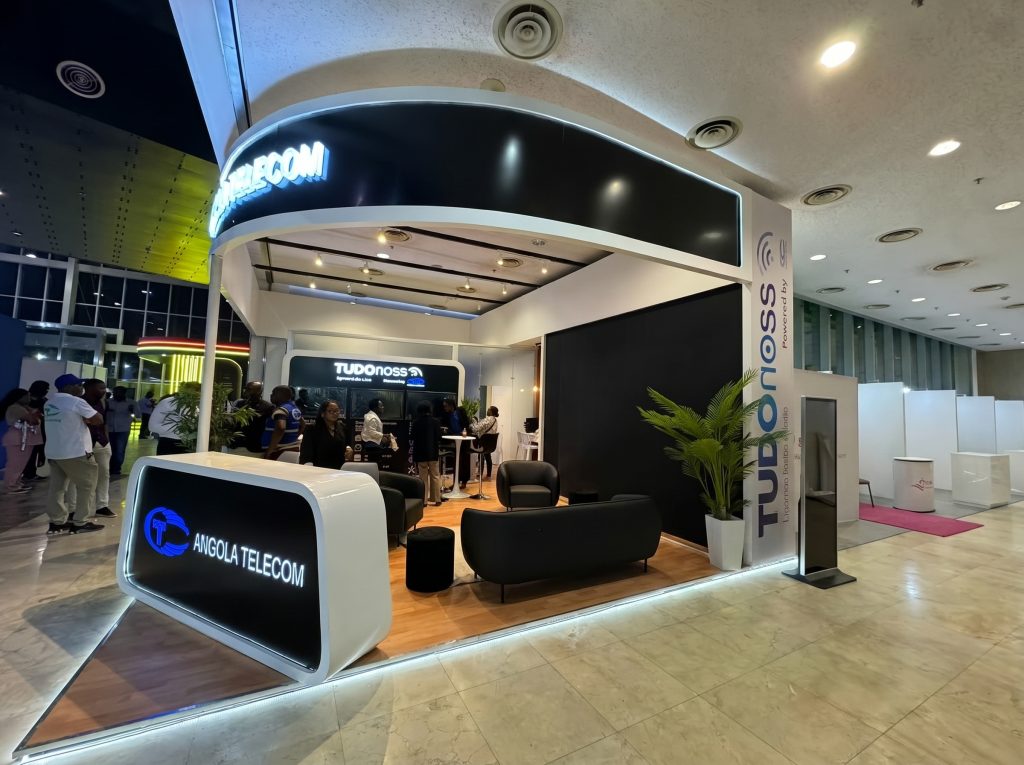
Given all that, it’s not surprising that modular exhibition booth Africa projects are growing fast. Companies are realizing that the less complex the on-site build, the fewer things can go wrong.
nn
A modular exhibition booth setup solves three core problems:
nn
Faster installation. Pre-built structures mean less time on the show floor. In markets where labor availability is unpredictable, that matters more than the cost of the booth itself.
nn
Lower dependency on local labor. A modular system doesn’t require the same level of skilled on-site fabrication. Less cutting, less assembly, fewer things that need to be rebuilt at the last minute.
nn
Cost predictability. You invest in the structure once, reuse it across multiple shows, and avoid rebuilding from scratch every time. Over a year of exhibitions, modular can cut long-term Africa trade show booth construction costs by 30–50%.
nn
Africa vs. Europe: The Real Difference
nn
| Factor | Europe | Africa |
|---|---|---|
| Labour cost | High | Medium |
| Execution risk | Low | High |
| Material availability | Stable | Limited |
| Timeline control | Strict | Flexible but uncertain |
| Cost predictability | High | Medium to low |
nn
Africa isn’t necessarily more expensive than Europe. It’s less predictable — and unpredictability is what blows budgets.
nn
What Successful Exhibitors Do Differently
nn
The companies that get strong results from exhibitions in Africa — whether in South Africa, Nigeria, or Kenya — all follow the same pattern. They prioritize execution stability over design complexity.
nn
Specifically, they invest in:
nn
- Modular booth systems that reduce on-site build time
- Strong project management with someone on the ground who knows the local market
- Early logistics planning — not “we’ll figure out shipping later”
- Risk buffer scheduling — because something will go off plan, and the question is whether you’ve budgeted for it
nn
nn
nn
nn
An experienced exhibition booth builder with local knowledge in Africa is worth more than a fancier design concept. The best booth in the world doesn’t matter if it’s stuck at customs or assembled poorly the night before the show.
nn
The Biggest Risk Isn’t Cost — It’s Delay
nn
In my experience, the number one budget killer in African exhibition projects isn’t design changes or material upgrades. It’s delay.
nn
A two-day schedule slip triggers overtime, rushed installation, and a booth that looks half-finished when the doors open. That compounds: poor booth performance means fewer leads, which makes the whole investment look bad — even though the root cause had nothing to do with the design.
nn
This is why smart exhibitors focus on predictable delivery systems, not just booth appearance.
nn
FAQ
nn
How much does an Africa exhibition booth cost?
nn
It varies widely by country and venue. In South Africa, a mid-size custom booth might run 15,000–50,000; in Nigeria or Kenya, costs can shift significantly based on import requirements and local labor availability. The bigger variable is always execution conditions, not booth size.
nn
Which African countries have the most active exhibition markets?
nn
South Africa (Johannesburg, Cape Town), Nigeria (Lagos), Kenya (Nairobi), and Egypt (Cairo) are the four biggest hubs. South Africa has the most developed exhibition infrastructure. Nigeria has the largest market size but higher logistics complexity.
nn
Is a modular booth suitable for African exhibitions?
nn
Yes — in fact, modular systems are often the smarter choice. They reduce on-site build complexity, lower dependency on variable local labor, and offer better cost predictability across multiple shows.
nn
Why do Africa booth projects face delays more often?
nn
Three main reasons: logistics (customs clearance and shipping delays), labor variability (inconsistent skill levels across markets), and venue infrastructure limitations (fewer technical resources on site). Early planning and local project management mitigate all three.
nn
How do I find a reliable exhibition booth builder in Africa?
nn
Look for builders with verified project experience in your specific target country — not just the continent. A South Africa exhibition booth cost estimate won’t tell you anything about building in Lagos. Ask for local case studies, not just a portfolio from another region.
nn
References
nn
- UFI – Global Association of the Exhibition Industry
- EXSA – Exhibition Association of Southern Africa
nn
nn