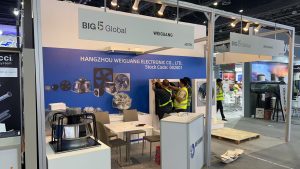
Exhibition stand hire is becoming a far more practical option for exhibitors trying to control rising event costs and adapt to changing trade show schedules.
Most companies still underestimate how quickly exhibition expenses grow.
At first, the booth budget usually looks manageable.
Then everything starts getting added:
- shipping
- installation
- storage
- graphics
- labour
- repairs
- venue fees
- electrical services
- last-minute modifications
And honestly, that’s where many exhibitors begin questioning whether owning permanent exhibition structures still makes sense long term.
I noticed this recently at a large international trade fair where several brands that previously invested heavily in permanent custom booths had quietly shifted towards exhibition stand hire solutions instead.
Not because they suddenly wanted cheaper booths.
Because they wanted more flexibility without carrying long-term operational pressure.
That difference matters more now than it did a few years ago.
Modern exhibitions move fast. Booth sizes change. Marketing campaigns evolve constantly. Some companies attend five events yearly, while others attend twenty or more across different countries and venues. Keeping one permanent structure for every situation no longer works as smoothly as it once did.
And honestly, many older booth systems become difficult to update quickly. Graphics feel outdated. Layouts stop fitting newer exhibition spaces. Shipping costs rise every year. Storage becomes another monthly expense nobody really talks about during the original booth purchase.
That’s one reason exhibition stand hire is becoming increasingly common across international trade shows, technology expos, manufacturing events, and retail exhibitions.
The flexibility changes the conversation completely.
Instead of asking:
“How long can we keep using this booth?”
Brands are now asking:
“How quickly can we adapt for the next event?”
That shift is important.
Modern exhibitors care far more about speed, adaptability, and ROI than simply owning booth structures.
Others suggest exhibition stand rental solutions also reduce stress during busy exhibition seasons. Companies can scale booth sizes depending on event importance, refresh branding more frequently, and avoid carrying damaged structures between shows.
And maybe that operational flexibility matters just as much as cost savings now.
The interesting part is that visitors rarely know whether a booth is rented or fully custom-owned.
They only notice whether:
- The booth feels professional
- The branding looks clear
- The layout feels approachable
- The experience feels organised
That’s usually what creates engagement on crowded exhibition floors.
Some of the busiest booths I’ve seen recently were exhibition stand hire systems combined with smart graphics, strong lighting, and simple visitor flow. Nothing overly complicated. Just easier to understand quickly.
And honestly, that simplicity often performs better than oversized structures trying too hard to impress people.
Because exhibition visitors don’t carefully analyse booths anymore.
The best booths still focus on experience, not ownership
This part is interesting because visitors rarely know whether a booth is rented or fully custom-owned.
They only notice:
- whether the stand feels professional
- whether the layout makes sense
- whether the branding feels clear
- whether staff interactions feel natural
That’s why strong exhibition stand hire strategies now focus heavily on:
- visitor flow
- open layouts
- cleaner graphics
- product visibility
- approachable meeting areas
Some of the busiest booths I’ve seen recently were rental systems with smart branding and strong execution.
Nothing about them felt temporary.
And maybe that’s the bigger point.
A good booth strategy usually matters more than ownership itself.
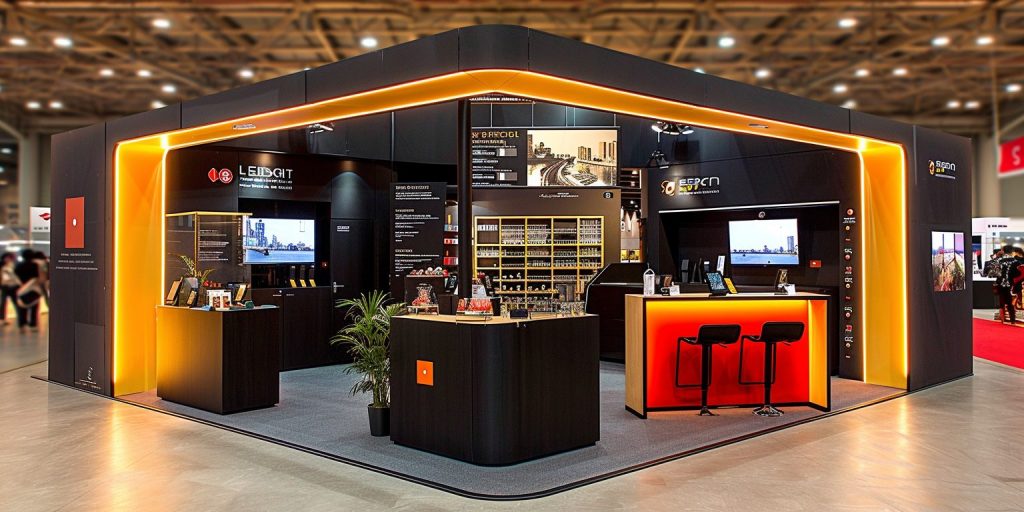
A bespoke exhibition stand company now does far more than construction
This industry shift is changing supplier expectations, too.
A few years ago, many exhibitors mainly wanted fabrication support.
Now they expect a bespoke exhibition stand company to help manage:
- booth design
- logistics
- installation
- dismantling
- storage
- digital integration
- sustainability goals
Some companies even expect exhibition partners to provide hybrid solutions combining custom design with reusable modular systems.
That balance is becoming more important.
Because brands still want distinctive exhibition spaces, but they also want efficiency and adaptability.
And honestly, those two priorities used to feel completely opposite.
Maybe flexibility is becoming the real competitive advantage
There’s probably a bigger shift happening underneath all this.
Exhibitors used to measure success by booth size and construction scale.
Now many are measuring:
- lead quality
- operational efficiency
- setup speed
- budget flexibility
- long-term ROI
That changes how exhibition investment gets evaluated.
The strongest exhibition stand hire strategies today are not necessarily about spending less.
They’re about staying adaptable without sacrificing presentation quality.
And maybe that’s exactly what modern exhibitors need most right now.