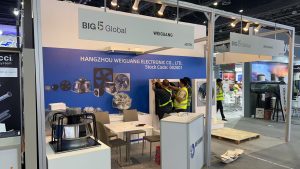
Investing in a premium modular exhibit booth represents the single most efficient capital procurement strategy for modern B2B brands looking to control their international multi-event budgets. Every financial quarter, global corporate marketing directors run into the exact same cost barriers when reviewing logistics invoices from overseas trade presentations. They analyze historical spending and recognize that relying on traditional, single-use wooden booth fabrication has become an unsustainable financial drain on corporate cash reserves.
According to global supply chain efficiency data monitored by the International Exhibition Logistics Association, material inflation and local venue labor monopolies are driving up the cost of temporary event production. To bypass these escalating operational liabilities, smart procurement managers are choosing to stop using local timber contractors completely. Instead, they are standardizing their multi-city event schedules around engineered modular booth displays. Integrating these highly flexible portable exhibit solutions into your international supply chain allows your marketing team to maintain total brand consistency while utilizing certified reusable exhibition stands that pass strict international environmental audits.
The primary financial complication within the current trade show industry stems from heavy freight deadweight and a lack of hardware cross-compatibility.
Others suggest that traditional trade show display rentals from general venue suppliers are the only flexible way to manage shifting floor dimensions across different international regional events. That is an expensive operational misconception that overlooks long-term cost accumulation over a standard multi-event calendar.
When you carefully analyze historical accounting data, repeating the cycle of basic trade show display rentals over four or more global venues delivers zero equity return and high cumulative fees. You are essentially paying third-party builders to construct single-use carpentry that you do not own and cannot move across borders. True cost control on the show floor happens when you own a flexible architectural hardware matrix, ensuring your initial investment amortizes beautifully across multiple years of international operations. To see how these structural matrix profiles dynamically adapt to diverse venue footprints, examine the precision setups engineered on our best trade show booth designs portfolio.
The Quantifiable ROI of Reusable Structural Infrastructure
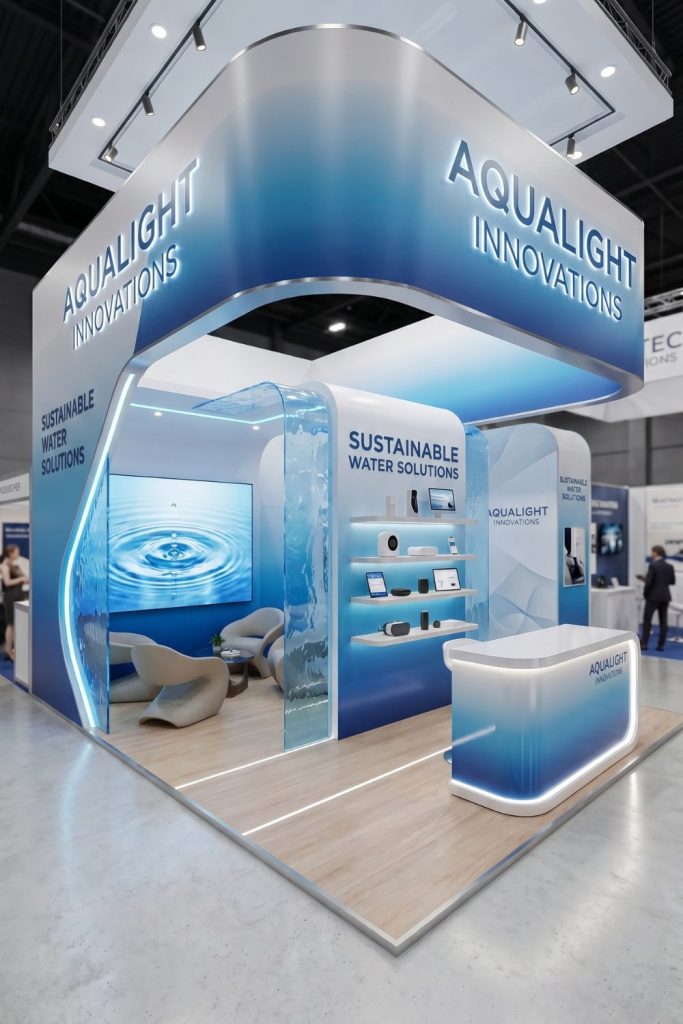
To successfully present a transition toward flexible hardware systems to your corporate board of directors, you must focus entirely on the hard financial metrics. Moving your brand to a premium modular exhibit booth delivers a radical reduction in your event overhead through three distinct operational channels.
- Freight Volume Optimization: Custom timber stands require heavy transport trucks or ocean freight containers to haul heavy painted MDF board across borders. In contrast, highly engineered modular booth displays utilize lightweight, high-tensile aluminum frame components that pack completely flat into standardized wheeled crates. This structural optimization can easily slash your cross-border freight forwarding invoices by 30% to 50%.
- Turnkey Assembly Flow: Building a traditional wood stand requires massive, specialized teams of on-site carpenters, painters, and riggers working around the clock under premium venue overtime rates. Transitioning to standardized portable exhibit solutions completely removes this operational friction. Because the underlying hardware core connects via pre-engineered lock mechanisms, a minimal setup team can assemble the complete perimeter using a simple hex tool.
- Elimination of Material Waste Liabilities: Major international convention halls are enforcing strict environmental penalties for structural waste left on the floor post-event. By standardizing your portfolio around high-quality reusable exhibition stands, your corporate team completely avoids local dismantling fees and debris taxes, because 100% of your structural assets return home in the shipping crates.
The data proves that separating your physical presence from single-use raw materials shifts your marketing budget from an annual sunk expense into an asset-backed inventory. You stop paying for temporary field props and start building scalable corporate infrastructure.
The Financial Playbook for Scalable Multi-City Operations
If you are currently responsible for executing a high-frequency global trade show schedule under rigid financial restrictions, here is the exact structural playbook to implement:
- Purchase the Core Hardware, Localize the Media: Invest upfront in a master modular exhibit booth matrix framework that sits directly on your corporate balance sheet. Keep the aluminum structure as a reusable permanent asset, and simply update the localized marketing media or product focus for each subsequent exhibition.
- Adopt Tension Fabric Graphics Over Rigid Boards: Completely phase out heavy, fragile PVC graphics boards that warp, scratch, and require massive wooden crates for transport. Switch entirely to high-density tension fabric graphics that fold up into standard luggage bags, lowering your parcel shipping costs to near zero.
- Optimize Your Aisle Interactions: Stop wasting expensive square footage on deep, enclosed meeting rooms that remain hidden from passing attendees. Bring your interactive elements—such as a sleek touchscreen product presentation module or an integrated charging counter—directly to the front carpet edge. To view how these structural systems dynamically adapt to high-traffic floor configurations, examine the precision setups engineered on our main exhibition services network.
The ultimate takeaway for global B2B marketing teams is straightforward. Stop paying third-party contractors to build disposable structures. By transitioning your multi-event budget into a highly engineered modular exhibit booth network, you lock in consistent structural quality worldwide, achieve complete logistics predictability, and secure an unyielding cost advantage over your larger competitors before the show doors even open.