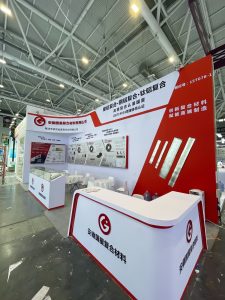
Ever stood in a crowded hall, watched booths buzzing, and wondered: Is anyone actually getting what they came for? As an industry reporter who’s been in those halls enough times to lose count, I can tell you — the tension between what exhibitors want and what visitors get is real. And that’s where the job of an exhibition organizer gets tricky. Because if one side feels short‑changed, it messes with the whole event’s credibility.
Maybe you’re a planner looking for better outcomes. Maybe you’re an exhibitor wondering why footfall feels hollow. Or perhaps you’re a visitor tired of shows that promise insight but deliver noise. The core strategy of an exhibition organizer should be this simple: create value for both sides, consistently. Easier said than done.
So let’s break down what that really means — in plain talk, with actual tactical clarity.
1. The Inherent Challenge: Balancing Two Worlds
An exhibition organizer is essentially a matchmaker between supply and demand. But unlike dating apps, the stakes are higher, the expectations sharper, and the room for error bigger.
Exhibitors want:
- Quality leads
- A boost in brand presence
- Measurable ROI
Visitors want:
- Insights, not sales pitches
- Useful connections
- Efficiency in how they spend their time
And others suggest that without satisfying both, your event is just another calendar checkbox with little real impact. If attendees leave thinking “meh”, the value proposition slips.
Here’s the rub — organisers don’t directly control exhibitor products or visitor intentions. But they can shape the environment and the experience.

2. What Truly Matters — Insights from the Floor
Over the past few years, I’ve watched organisers try all sorts of tactics. Some worked. Others fizzled.
The ones that seem to succeed:
a) Start With Intent, Not Logistics
Too many shows begin planning with dates and venues. The smart ones start with questions:
- What problem is this event solving?
- What outcomes do exhibitors seek?
- What do visitors hope to learn or achieve?
Maybe it sounds obvious, but mapping these from the start changes how everything else flows — from booth layout to session design.
b) Curate Experiences, Don’t Just Host Them
If an exhibition organizer leaves everything up to chance, attendees wander. Exhibitors shout. And both sides walk away slightly annoyed.
Better shows:
Key Strategies for Exhibition Organizers
Organisers can create distinct areas within the exhibition hall that cater to specific interests or purposes, like an innovation corner for new technologies or a networking café for informal business discussions. This helps attendees find the experience they want quickly.
By mapping visitor interests ahead of time, organisers can design guided pathways that connect visitors to booths, sessions, and networking opportunities most relevant to them, making the experience more efficient and personalised.
Encourage attendees and exhibitors to engage in structured, purposeful interactions, such as pre-booked meetings, roundtable discussions, or challenges that reward valuable exchanges. This ensures conversations lead to tangible outcomes.
Other events I’ve covered ask visitors to pre‑book key demos or round tables. That small step turns passive browsing into purposeful interaction. It performs.
c) Make Metrics Matter (Seriously)
Here’s the brutal truth: footfall means nothing if it’s meaningless. Exhibitors care about qualified conversations. Visitors care about outcomes they can apply.
So organisers should anchor their reporting in things that matter:
| Measure | Why it counts |
|---|---|
| Lead quality score | Reflects real business potential |
| Session attendance ratios | Shows relevance |
| Post‑event satisfaction | Indicates long‑term value |
| Repeat participation rates | Predicts future success |
This isn’t corporate lip service. These are signals people actually use when deciding whether to come back or recommend the show.

3. Tactical Moves That Shift the Needle
So what does this look like in action?
Plan with intention
Not just “biggest venue available” but where will the right crowd feel comfortable, curious, and connected?
Use pre‑event engagement
Email teasers, matchmaking platforms, curated agendas. Maybe visitors choose sessions based on goals — not just curiosity.
Coach exhibitors
Most booths fail not because the product sucks, but because the staff aren’t trained to listen before they pitch. An exhibition organizer who provides pre‑show coaching flips outcomes.
Design for purpose
Chill networking spaces, stage areas with real discourse, targeted meet‑ups for niche segments — if visitors meet the people they want to meet, they stay energized.
4. Execution Isn’t Fancy — It’s Intentional
It’s easy to fall into organising shows that look good on paper but feel hollow in reality. I’ve walked enough aisles to know:
- A shiny venue doesn’t fix a loose agenda.
- Fancy swag doesn’t replace meaningful connection.
- Loud announcements don’t make up for poor sequencing.
The organisers who get respect — and repeat participation — are the ones who do the messy work: understanding human goals, aligning outcomes, and building frameworks that let both sides benefit.
This feels simple but it’s not easy. It requires discipline, honest measurement, and a willingness to iterate.
5. Where Most Organisers Stumble (and How to Fix It)
Problem: Everyone’s happy on paper, but no one feels satisfied in practice.
Fix: Get stakeholder interviews early — not after everything’s booked.
Problem: Exhibitors complain about lead quality.
Fix: Introduce qualification rubrics and curate matchmaking.
Problem: Visitors feel they wasted time.
Fix: Map visitor journeys and design paths with purpose.
If this show isn’t driving conversations that matter, you’re not hosting an event — you’re running a party.
Final Take
The core strategy of a successful exhibition organizer isn’t rocket science. It’s empathy + design + measurement. Cater to genuine human needs, structure real opportunities for business growth, and you’ll create events that both exhibitors and visitors feel glad they attended — and eager to return to.
Plain and messy? Sure. Effective? Absolutely.
References (to show credibility)
- Kotler, P. & Keller, K.L. Marketing Management — insights on buyer behaviour and strategic audience planning.
- Berthon, P. et al., “When customers get clever: Managerial approaches to dealing with creative consumers,” Industrial Marketing Management.