A lot of exhibitors thought virtual events would disappear
They didn’t.
Maybe the hype cooled down a bit after the pandemic years, but virtual exhibitions never actually went away. What changed was how companies started using them.
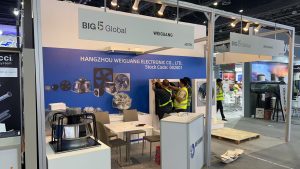
Earlier this year, I spoke with several exhibitors at a manufacturing event who were running physical booths and virtual trade show booth experiences at the same time. At first, it sounded excessive.
Then the numbers started making sense.
The physical booth attracted local traffic.
The virtual platform extended conversations globally.
Content stayed online after the event ended.
Sales teams reused digital presentations for weeks afterwards.
And honestly, that flexibility matters more now because exhibition budgets are under pressure almost everywhere.
That’s one reason the virtual trade show booth model is evolving from a temporary solution into part of a broader exhibition strategy.
Not because companies want fewer in-person events.
Because they want more reach from the same event investment.
The smartest exhibitors are combining physical and digital experiences
This shift is becoming easier to notice across major trade shows.
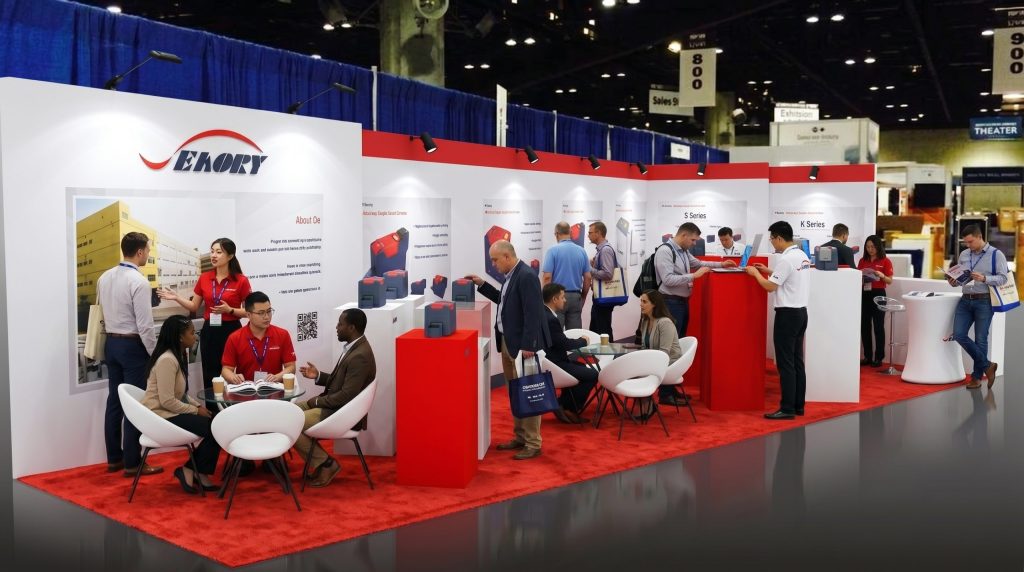
Brands are no longer treating virtual booths as separate experiences. Instead, they’re integrating:
- live product demos
- digital catalogues
- virtual walkthroughs
- QR-based presentations
- hybrid networking spaces
- online lead capture systems
Some exhibitors now design physical stands specifically to support virtual content creation during the event itself.
And honestly, that changes how booths get planned.
Because once content becomes part of the strategy, exhibition spaces need to work both in-person and on-screen.
That’s where cleaner layouts, stronger branding, and simpler visitor flow become far more important.
Eco-friendly exhibition stands are becoming part of the conversation
This part surprised me a little.
A few years ago, sustainability mostly appeared in exhibition marketing brochures. Now clients are asking direct operational questions:
- Can this structure be reused?
- How much material gets wasted?
- Can graphics be replaced instead of rebuilding everything?
- How much shipping weight can we reduce?
That’s one reason eco-friendly exhibition stands are gaining attention alongside digital exhibition strategies.
Others suggest hybrid events naturally reduce some travel and material demands because not every attendee needs to be physically present.
And honestly, reusable systems simply make more financial sense for many exhibitors now.
Reusable exhibition stands are quietly outperforming disposable builds
This trend keeps growing.
More brands are moving towards reusable exhibition stands because exhibitions happen too frequently now for waste-heavy builds to remain practical long term.
Instead of rebuilding booths from scratch for every event, companies increasingly prefer:
- modular systems
- reusable frames
- interchangeable graphics
- lightweight materials
- flexible layouts
The interesting part is that modern reusable exhibition stands no longer look temporary or basic.
Many now include:
- premium LED walls
- seamless fabric graphics
- interactive touch displays
- architectural lighting
- digital presentation zones
Visitors usually care far less about how the booth was constructed than exhibitors assume.
They care whether the experience feels useful, modern, and easy to engage with.
Maybe exhibitions are becoming less physical than people think
There’s probably a bigger shift happening underneath all this.
Trade shows used to focus almost entirely on physical presence.
Now, attention moves between physical and digital spaces constantly.
Visitors scan QR codes.
Watch online demos.
Book meetings digitally.
Revisit virtual content after events end.
That changes what exhibition success actually means.
The strongest virtual trade show booth strategies now usually support:
- Ongoing lead generation
- Content distribution
- Digital engagement
- Reusable booth systems
- Longer campaign visibility
And maybe that’s where exhibitions are heading next.
Less about temporary structures.
More about creating experiences that continue working after the event floor disappears.