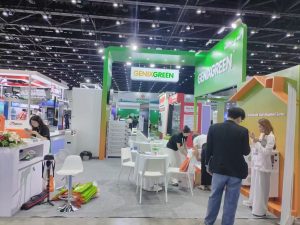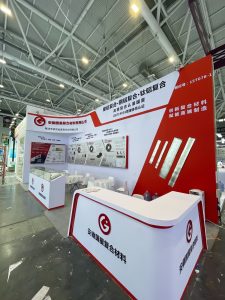
If you’ve ever stared at an event prospectus and thought, “How much is this actually going to cost me?”, you’re not alone. As someone who’s covered dozens of trade shows from Vegas to Chicago, I keep bumping into the same question from founders and marketers: Why does American booth construction cost so much?
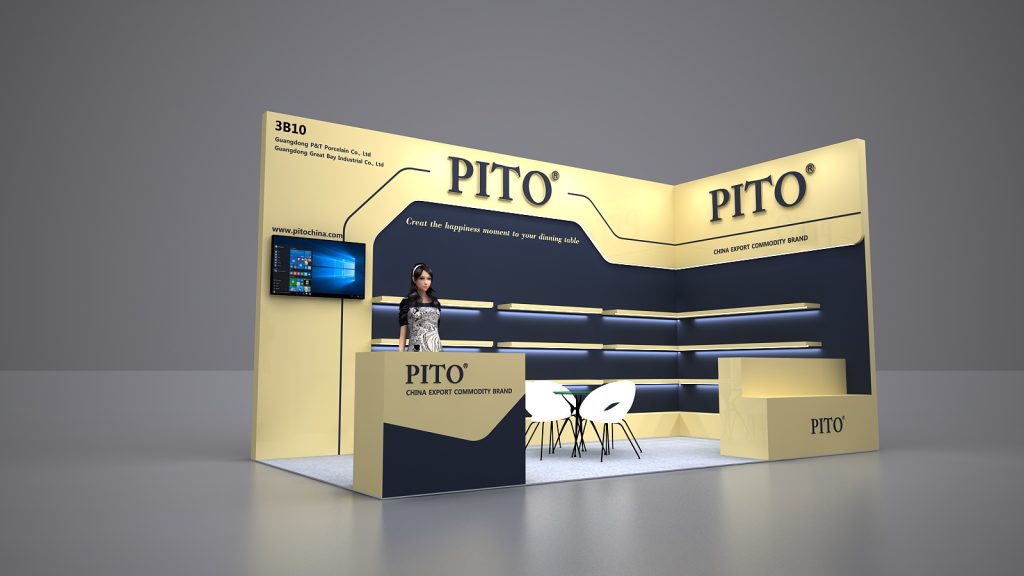
Let’s be honest — this isn’t just about square footage and rent. People worry about hidden fees, logistics nightmares, and vendor markups that somehow feel… personal. Maybe you’ve been told $5,000 will cover you. Others suggest it’s closer to $30,000 once you’re done. So what gives?
I set out to break this down — in plain terms — so you get what you’re paying for, and where you can actually save without shooting yourself in the foot.
What You’re Signing Up For: A Quick Reality Check
Setting up a booth in the United States — especially at big trade shows — isn’t like booking a space on Etsy and slapping up a sign. It’s an ecosystem of services, permits, materials, and people, and each one comes with a price tag.
At the core, American booth construction has five primary cost buckets:
- Space Rental
- Design & Build
- Logistics & Labour
- Technology & AV
- Operational Expenses
But here’s the thing: they don’t all scale the same. Pay peanuts for design? You’ll see it in traffic. Spend too much on gimmicks? You might still underperform.
The Breakdown: Where the Money Actually Goes
1. Space Rental — The Ticket to the Show Floor
This one’s simple: you’re paying for real estate.
Big shows in major cities often charge per square foot. Some events include utilities; others charge extra for electricity, Wi‑Fi, or rigging points. Depending on the venue and timing, rental alone can range from $20 to $100+ per square foot.
Here’s the catch: space rental looks cheap until you realise you also pay premiums for corner booths, island placements, and any aisle face upgrades.
2. Design & Build — The Art and Craft of Your Presence
Once you sign the floor plan, someone has to build your stand.
This is where American booth construction really gets nuanced. Simple modular booths can cost a few thousand dollars. But if you want branded structures, lighting effects, interactive walls, or custom fabrication — expect the cost to climb fast.
From my interviews with booth builders:
- Basic modular booth: $5,000–$15,000
- Mid‑range branded design: $15,000–$40,000
- Custom experiential spaces: $40,000–$150,000+
Skimping here often means a forgettable presence. Investing here, if done smartly, can seriously boost lead quality.
3. Logistics & Labour — The Hidden Line Items
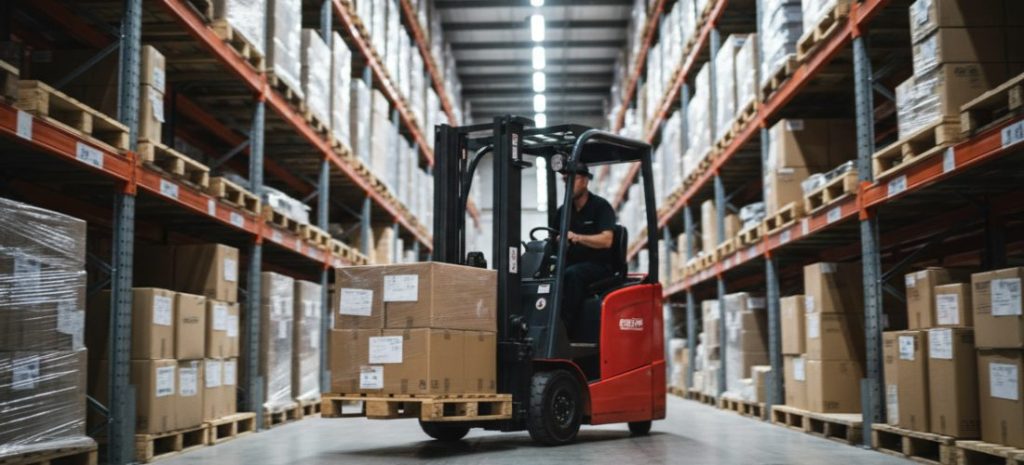
This is where many teams get blindsided.
- Shipping products and booth materials across states (or from overseas)
- Crane and forklift charges
- Union labour rates for build‑in and breakdown
- Storage if you’re not moving out the same day
These aren’t optional. And they’re sticky. Some shows require union labour at set rates; you don’t get to negotiate. Combine that with freight costs (especially if you’re coming by air), and this bucket easily blows past $10,000 at larger shows.
4. Technology & AV — Show or Showstopper?
Projectors, screens, lighting cues, Wi‑Fi hotspots — tech adds sparkle but also complexity.
If you’re just playing slides on a loop, expect mid‑range TV screens and basic sound to run $3,000–$10,000. But if you’re doing live demos, VR stations, or audience tracking, that number can double.
I’ve seen exhibitors underestimate this part and end up doing on‑the‑fly refunds to vendors because the show floor Wi‑Fi was slower than expected.
5. Operational Expenses — The Daily Tab
Don’t forget the everyday costs:
- Staffing and training
- Travel and accommodation
- Meals and hospitality
- Promotional materials and giveaways
- Lead capture tech and CRM integration
For a lean team, this bucket might be $5,000–$15,000 for a 3‑day show. For larger teams with booths that run activations and demos? It’s easier to see $30,000+.
This is where most people underestimate, because it’s dispersed and invisible until the invoices hit.
Why These Costs Matter — And What You Should Really Care About
Here’s the brutal truth: American booth construction isn’t a standalone cost. It’s connected to your business goals — brand perception, lead generation, partner engagement — and your ability to execute on the floor.
If you’re spending $50,000 on a show and it nets you a handful of lukewarm leads, you underinvested in strategy.
If you spend $150,000 and don’t measure ROI — you overpaid.
The smart play is this:
- Understand your objectives first (awareness, partnership meetings, demos)
- Budget according to what actually drives those outcomes
- Build in contingency — shows almost always throw curveballs
Smart Tips I’ve Picked Up Along the Way
Floor space and labour blocks fill up fast. Securing your space and installation crew early prevents premium pricing and limited availability.
Modular booth systems reduce long-term costs. They are reusable across multiple shows and can be easily adapted to different floor plans.
Many venues offer discounted packages for AV, electricity, and internet services when booked together. Consolidating services often lowers overall expenses.
Hotel and flight prices in major exhibition cities rise significantly as the show date approaches. Early booking ensures better rates and availability.
Most importantly? Ask your event organiser for a detailed cost list before you commit. The line item sheet is your best negotiating tool.
Final Take
There’s no magic number for setting up a booth in the U.S. — and any “average cost” you hear should be taken with a dose of healthy scepticism.
But when you build from the ground up, understand each cost component, and tie spend directly to business outcomes, you’re no longer just shelling out money — you’re investing in measurable impact.
And that’s how you justify those dollars.
References
- Center for Exhibition Industry Research (CEIR). – Exhibitor Participation Decision-Making Study.
CEIR Research Reports. - Exhibition Services & Contractors Association (ESCA). – Labour and Service Standards in U.S. Trade Shows.