The question I keep hearing on show floors
“Should we even spend this much on a booth anymore?”
Not from small companies. From serious brands.
Over the last year, I’ve walked through exhibition halls where companies dropped six figures on custom builds, only to end up with half-empty stands and sales teams staring at their phones by lunchtime. Meanwhile, a smaller competitor using rental trade show booths had a packed space, cleaner messaging, and probably spent less than half the budget.
That gap matters.
Because right now, most exhibitors are not struggling with visibility. They’re struggling with efficiency. Marketing budgets are tighter. Events are more expensive. And leadership teams want measurable return, not “brand exposure” slides in a quarterly meeting.
That’s why trade show booth rental conversations have changed. It’s no longer the “cheap option”. In many cases, it’s becoming the strategic option.
The old model stopped making sense
For years, companies treated trade shows like permanent real estate.
Build once. Store it forever. Ship it city to city. Repair the damage. Replace missing parts. Pay warehouse fees nobody remembers approving.
At first glance, ownership sounds logical. Until the hidden costs start stacking up.
I spoke with one operations manager at a manufacturing expo who admitted their owned exhibit sat in storage nearly nine months a year. By the time shipping, maintenance, drayage, refurbishment, and labour were added together, the annual spend looked bigger than expected.
That’s where booth rentals for trade shows started gaining traction.
Not because businesses suddenly wanted lower quality. Quite the opposite.
They wanted flexibility without sacrificing presentation.
And maybe more importantly, they wanted speed.
Trade show booth rental cost is forcing companies to rethink priorities
This is usually where the conversation gets uncomfortable.
Most exhibitors underestimate total exhibition spending by focusing only on construction. The booth itself is often just one line item.
The real pressure comes from logistics:
- Freight
- Installation and dismantle
- Storage
- Material replacement
- Show service costs
- Design refreshes
- Labour overtime
If the exhibit only appears at two or three shows yearly, ownership can become surprisingly inefficient.
That’s why discussions around trade show booth rental costs are becoming more practical rather than emotional.
Some brands now prefer renting because it keeps capital flexible. Others suggest rental models reduce operational headaches enough to justify the decision alone.
And honestly, after reviewing multiple exhibition budgets over the past year, I can see why.
A good rental setup often gives companies:
- Faster turnaround
- Easier scaling between event sizes
- Updated visual design
- Lower storage exposure
- Reduced risk if marketing strategy changes
None of that sounds flashy. But CFOs tend to like boring things that save money.
The perception problem around rental booths is fading
Five years ago, rented exhibits sometimes looked exactly like what they were: rented.
Generic structures. Thin graphics. Forgettable layouts.
That’s changed fast.
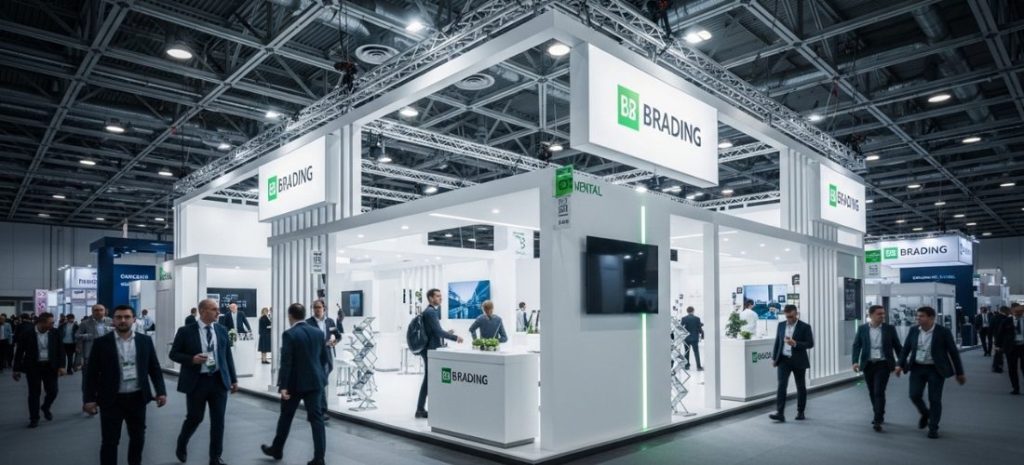
Today, many rental trade show booths are almost indistinguishable from custom ownership builds. Modular systems have improved. Fabric graphics print cleaner. Lighting design is sharper. Some exhibition houses now create fully customized rental environments that most attendees would never recognize as temporary.
In fact, at several recent US trade events, I noticed something interesting.
The companies drawing the biggest crowds weren’t necessarily using the biggest booths.
They were using:
- Better traffic flow
- Cleaner messaging
- Stronger product positioning
- More open layouts
- Interactive demonstrations
That shift matters because exhibitors sometimes overestimate architecture and underestimate experience.
Visitors rarely care whether you own the walls.
They care whether your booth helps them solve a problem.
Why flexibility is becoming the real advantage
Markets move faster now.
A booth designed three years ago may no longer fit the current brand story, product focus, or buyer expectations.
That creates a hidden problem for owned exhibits: they age quickly.
With trade show booth rental, companies can adapt booth size, layout, and branding depending on the event. A 10×10 setup for a regional expo can become a larger island configuration at a major international show without rebuilding from scratch.
That flexibility is becoming valuable for brands expanding into:
- New markets
- Seasonal campaigns
- Product launches
- International exhibitions
- Pilot event strategies
Some marketing teams even rotate visual concepts between shows to test engagement.
You cannot really do that efficiently with a fixed structure sitting in storage.
What smart exhibitors are asking before signing anything
The strongest exhibitors I’ve spoken with usually ask practical questions first.
Not aesthetic ones.
Questions like:
- How many shows will this booth actually attend yearly?
- What is the full ownership lifecycle cost?
- Will branding need updating within 12 months?
- Can logistics teams handle storage and transport?
- Does the booth support lead generation goals?
- Is flexibility more valuable than ownership prestige?
Those questions tend to lead naturally toward booth rentals for trade shows, especially for companies still testing markets or scaling event programmes.
And interestingly, many experienced exhibitors no longer view rentals as temporary compromises.
They view them as operational leverage.
Maybe the best booth strategy now is simpler than people think
There’s a strange thing happening in exhibitions right now.
The brands winning attention are often the ones reducing complexity.
Cleaner messaging.
Faster setup.
Lower logistical friction.
More adaptable spaces.
And in many cases, rental trade show booths fit that direction surprisingly well.
Of course, ownership still makes sense for some companies. High-frequency exhibitors with stable branding and large annual schedules may still benefit from permanent custom builds.
But for many others, especially mid-sized businesses trying to balance visibility with ROI, trade show booth rental offers something increasingly valuable:
Options.
And in uncertain markets, options matter more than oversized structures.
Final thought
Trade shows are still powerful. That has not changed.
What’s changing is how businesses evaluate efficiency.
The smartest exhibitors are no longer asking, “How big can we build?”
They’re asking, “How effectively can this booth generate conversations, leads, and revenue without creating operational drag?”
That’s a very different question.
And honestly, it may be why rental trade show booths are quietly becoming the preferred strategy for modern exhibitors.
References
- Exhibitor Magazine
- TSNN (Trade Show News Network)
- IAEE – International Association of Exhibitions and Events
- CEIR – Center for Exhibition Industry Research