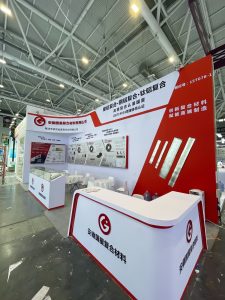
Planning a Malaysia trade show booth in Kuala Lumpur is very different from planning one in Europe or the Middle East. Malaysia sits at the heart of ASEAN, a market of roughly 680 million people, and its capital has grown into one of Southeast Asia’s most practical places to exhibit: modern venues, competitive build costs, wide English usage, and a steady calendar of regional trade shows covering electronics, medical devices, construction, furniture, halal products, and manufacturing. This guide walks you through the key venues, realistic booth costs, venue rules, and the practical details that catch international exhibitors off guard — so your Malaysia trade show booth lands on budget and on time.
Why Exhibit in Malaysia
Malaysia works well as a regional launchpad because it combines local purchasing power with easy access to the wider ASEAN market. Buyers from Indonesia, Singapore, Thailand, Vietnam, and the Middle East routinely attend KL-based shows, and English is an official business language, which removes much of the friction you face elsewhere in Asia.
The exhibition calendar is deep across several industries. At MITEC alone, recent and upcoming editions include METALTECH & AUTOMEX (machine tools and automation, 5–8 May 2027), SEMICON Southeast Asia (semiconductors, 25–27 May 2027), ARCHIDEX (architecture and building materials, 30 June–3 July 2027), the Malaysian International Furniture Fair (MIFF) (1–4 March 2027), and Food & Drinks Malaysia by SIAL (20–22 July 2027). Healthcare and pharma buyers converge on CPhI South East Asia and WHX Kuala Lumpur (13–15 July 2027), while construction professionals attend International Construction Week & BuildXpo (10–12 November 2026). ARCHIDEX 2025, one of the region’s largest built-environment shows, drew 38,203 professional visitors and around 600 exhibitors — a useful benchmark for the quality of buyer traffic you can expect.
If you already exhibit in neighboring markets, Malaysia pairs naturally with the rest of your ASEAN schedule; our Thailand trade show booth guide covers how the two markets complement each other.
Kuala Lumpur’s Main Exhibition Venues
Two venues host the majority of international trade shows in KL, and each shapes your booth plan differently.
MITEC (Malaysia International Trade and Exhibition Centre)
MITEC is the country’s largest purpose-built venue, with around 52,000 square metres of space across eleven halls plus a large banquet hall. It was built for heavy trade shows: floor loading reaches 5 tonnes per square metre, truck bays feed directly into the halls, and the pillar-free design supports large custom structures and suspended signage. Industrial, electronics, food, and mega-scale consumer shows dominate its calendar. Check the official MITEC event calendar to confirm dates before you commit to a hall.
Kuala Lumpur Convention Centre (KLCC)
KLCC sits directly beneath the Petronas Towers in the city’s business district — arguably the most prestigious address in Malaysia. It offers roughly 12,310 square metres of column-free exhibition halls within a 33,000 square metre complex, and it was Asia’s first venue to earn AIPC Gold Standard certification. Shows here skew toward conferences, medical, finance, and premium B2B events where buyer seniority matters more than raw floor space.
Whichever venue you choose, both are well served by hotels, the KLIA Ekspres rail link (about 28 minutes from KL Sentral to the city center), and KLIA airport. Build this into your team’s travel plan — KL traffic is unforgiving during rush hours, so stay close to the venue rather than chasing cheaper rates across town.
Booth Design and Costs in Malaysia
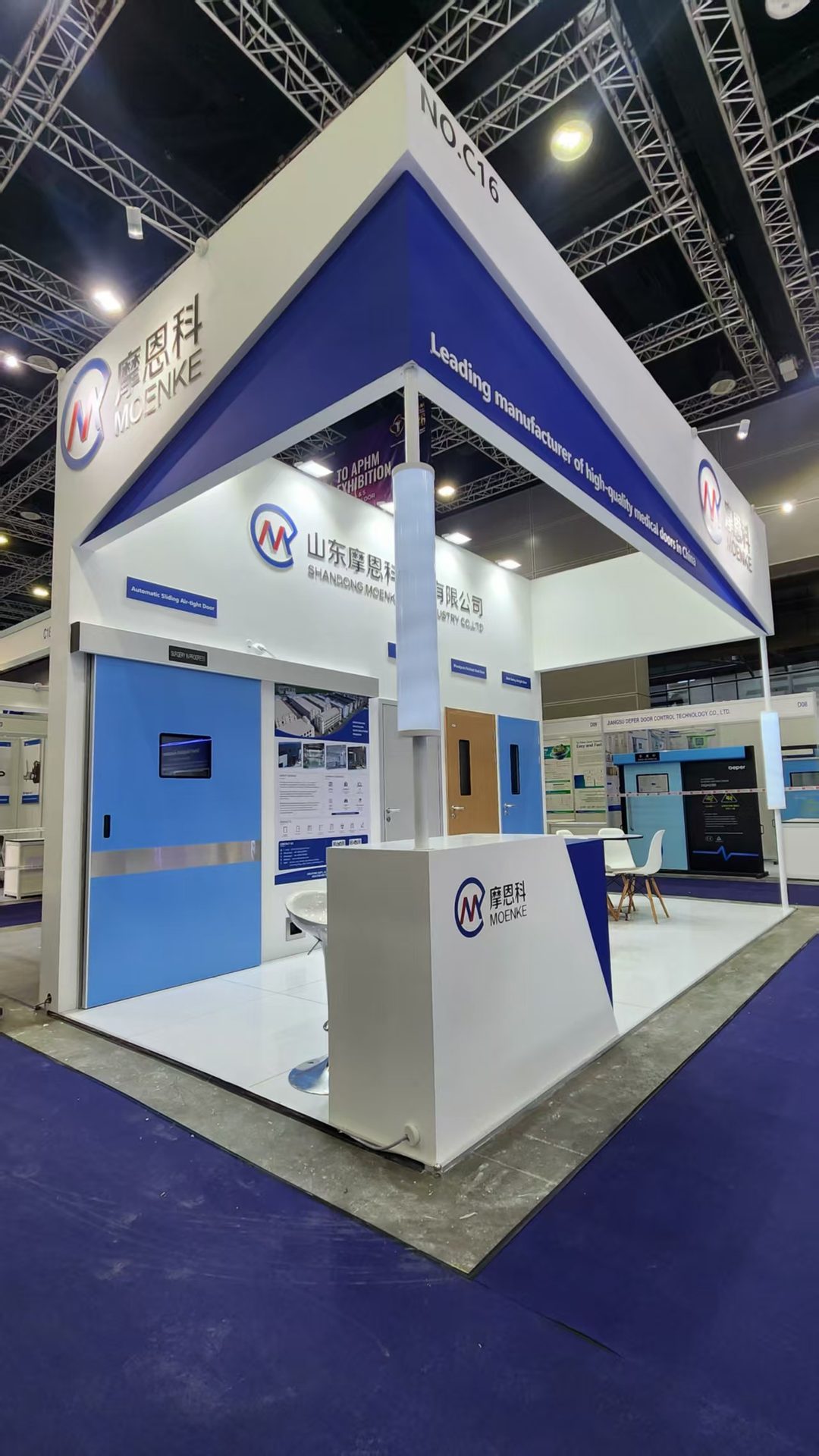
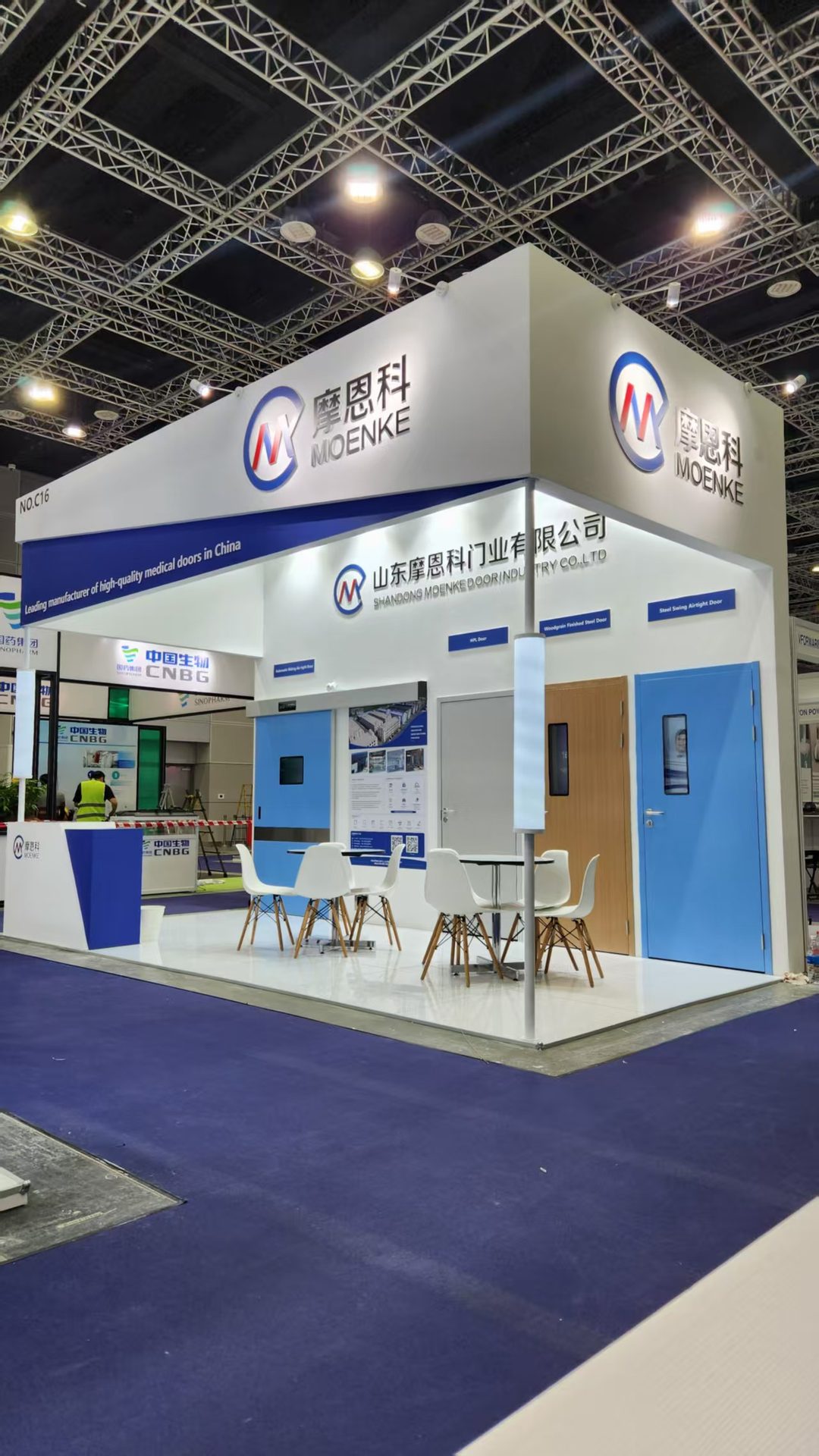
Build costs in Malaysia are generally lower than Singapore or Hong Kong, and the local contractor base is experienced. As a working benchmark for international exhibitors: shell-scheme upgrades (fascia, lighting, graphics, furniture) typically run a few thousand US dollars for a 9–18 sqm space; custom-built stands in the 18–36 sqm range commonly land between USD 6,000 and 18,000 depending on finishes, AV, and rigging; and large island stands of 50 sqm and above usually start around USD 20,000 and climb with double-deck structures and LED walls. As with any market, the biggest cost drivers are custom fabrication, suspended signage, freight, and overtime labor during build-up weekends.
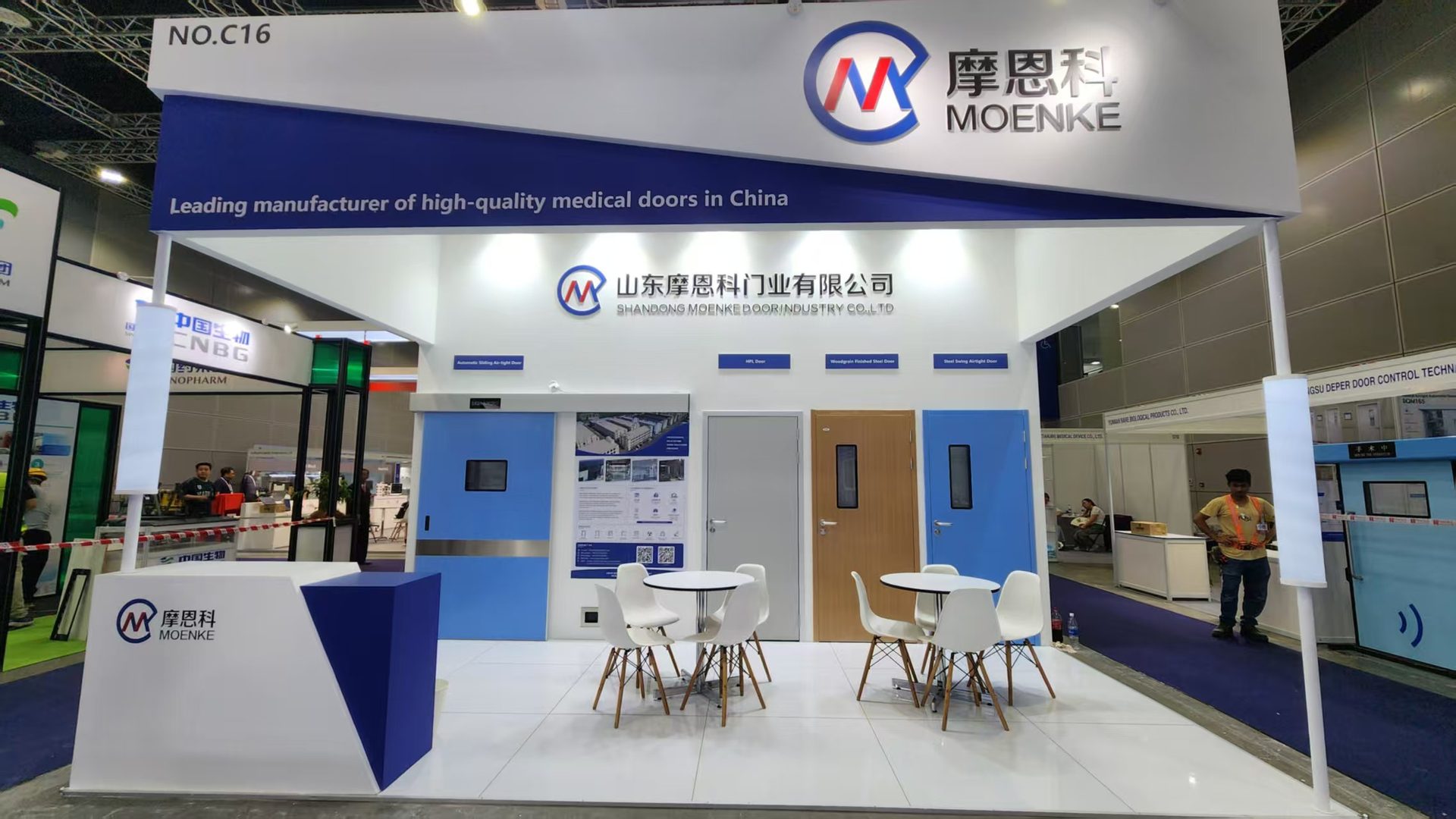
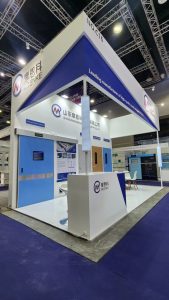
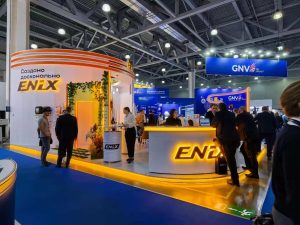
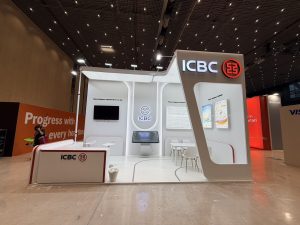
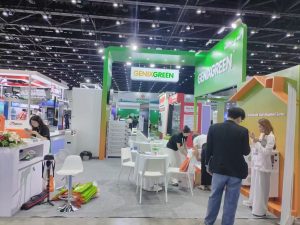
Design expectations have risen fast. Malaysian trade show audiences respond to the same things that work across ASEAN: open fronts that invite walk-ins, clear product storytelling, demo areas with seating for real conversations, and strong overhead presence — a hanging banner makes a booth findable in a crowded hall. New Power Exhibition (NeoBooths) delivers this kind of custom booth across Southeast Asia from its own production facility, handling design, fabrication, and on-site installation as one package, which matters in KL where venue schedules are tight and last-minute changes are common.
For budgeting methodology — how to allocate between space, build, freight, and staffing — our first-time exhibitor guide breaks down the standard cost structure. And if your booth program spans the region, one design language reused across Malaysia, Thailand, and China cuts both engineering and project-management costs; our China trade show guide explains how that production model works.
Venue Rules and Build-Up Logistics
KL venues are professional but stricter than many first-timers expect. A few rules that regularly surprise international exhibitors:
- Contractor accreditation. Both MITEC and KLCC require stand builders to submit drawings for approval — typically structure, rigging, and electrical plans — several weeks before build-up. Unapproved structures can be stopped at the door.
- Rigging and height limits. Suspended signage is common and effective, but rigging points, maximum heights, and load calculations are venue-controlled and must go through the official rigger. Budget this line item early.
- Halal compliance. Malaysia is a Muslim-majority country. Venue catering is halal-certified; if you plan food or beverage sampling at your booth, clear it with the organizer and venue first, and be mindful of alcohol restrictions.
- Floor loading. MITEC’s 5 t/m² rating is generous, but heavy machinery displays still need engineered drawings and protective flooring.
- Build-up windows. Standard build-up runs two to four days depending on the show, with night work often required for large stands. Overtime charges apply, so a build plan that finishes inside the standard window saves real money.
Freight is straightforward: KLIA handles air cargo efficiently, and most international exhibitors either ship direct with a specialist forwarder or use locally sourced graphics and structures to avoid customs entirely. For reusable items, an ATA Carnet covers temporary admission into Malaysia, which is an ATA member country.
Practical Tips for International Exhibitors
These details make the difference between a smooth show and a stressful one:
- Book space early for flagship shows. SEMICON Southeast Asia, ARCHIDEX, and MIFF regularly sell out prime halls months in advance. Once your space is confirmed, lock your booth builder immediately — good contractors get busy.
- Plan around Ramadan and public holidays. During Ramadan, working hours shift and build-up schedules may compress; Chinese New Year and Hari Raya periods also affect contractor availability. Confirm your build calendar against the Malaysian holiday calendar.
- Language and selling style. English, Malay, Mandarin, and Tamil all circulate on the show floor. Staff your booth with people comfortable switching registers — many deals in Malaysia are built on relationships, so leave space and time for proper conversations, not just scans.
- Follow up fast. Regional buyers expect quick responses. Assign lead ownership before the show opens and commit to first contact within 48 hours of the hall closing.
- VISAs and entry. Most nationalities enter Malaysia visa-free for business visits of up to 90 days, but check your specific country’s requirements before travel.
Frequently Asked Questions
How much does a trade show booth cost in Malaysia?
For a typical 18–36 sqm custom-built stand, expect roughly USD 6,000–18,000 including design, fabrication, and installation, with shell-scheme upgrades for small spaces costing a few thousand dollars. Large island stands above 50 sqm generally start around USD 20,000. Space rental is separate and set by the organizer per square metre, and freight, rigging, and overtime labor are the usual budget surprises.
Which venue should I choose — MITEC or KLCC?
Follow the show, not the venue: the organizer’s choice is fixed. But knowing the difference helps your design. MITEC suits heavy industrial builds, large islands, and suspended structures thanks to its 5 t/m² floors and pillar-free halls; KLCC suits premium B2B and conference-linked shows where location prestige and buyer seniority matter most.
Can my booth builder handle venue approvals in Malaysia?
Yes — a local or experienced international contractor should submit structural, rigging, and electrical drawings to the venue on your behalf. Confirm this in writing when you sign, because approval lead times (typically several weeks) can delay your project if nobody owns the paperwork.
Do I need to ship my booth to Malaysia?
Not necessarily. Many international exhibitors ship only their exhibits and product samples, and have graphics, walls, and furniture fabricated locally — usually faster and cheaper than full international freight. Reusable booth systems can travel under an ATA Carnet, which Malaysia accepts for temporary admission.