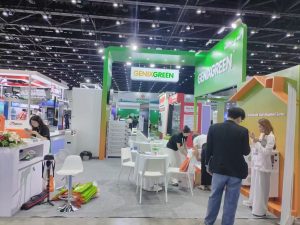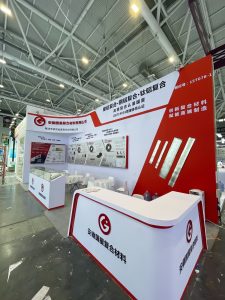
Ever sat in a room full of exhibitors and wondered: “Why is this so hard?”
You’re not alone. In the B2B space, industry trade shows can feel like herding cats — lots of moving pieces, big egos, tight budgets, and an audience that expects value not noise. The term B2B industry trade show gets thrown around like it guarantees sales, but the reality is messier. Some shows crush it; others die wondering why attendance flatlined.
So let’s talk straight: maybe you’re planning your first event. Maybe you’ve done a handful and felt like you’re winging it. Maybe metrics haven’t matched spend. What I’ve learned from talking to planners, suppliers, and exhibitors is simple: success isn’t luck. It’s process.
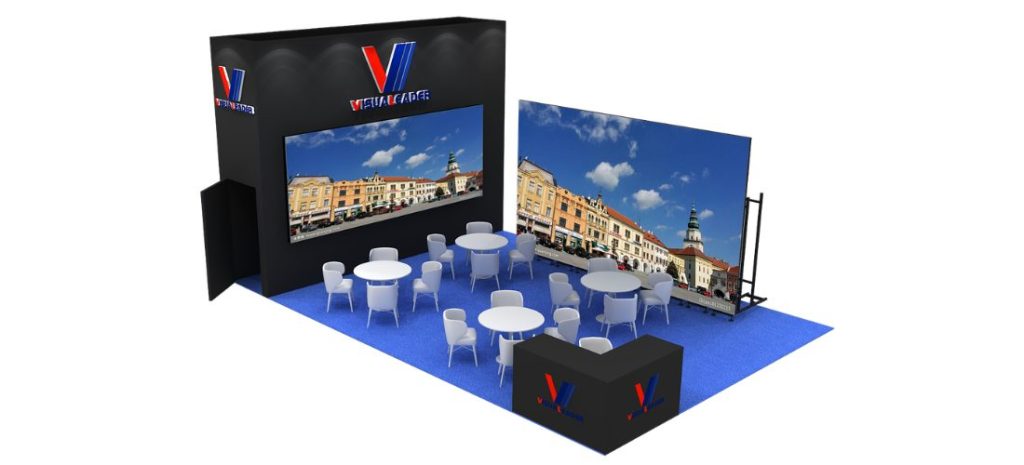
1. The Problem — What makes B2B trade shows hard
Most companies treat a B2B industry trade show like a to‑do list: book hall, print banner, ship booth. Others say “Let’s stand out!” without knowing what that actually means for this audience. Here’s the real challenge:
- You’re selling to professionals, not consumers. They don’t come for giveaways — they come for insights, solutions, and connection.
- The ROI question looms over everything. Sponsors and leadership want to know: Will this translate to revenue?
- Noise kills engagement. Too many booths, too much clutter, no clear reason for attendees to stop.
Maybe you’ve seen these issues first‑hand. If you’re nodding, good — that means we can fix it.
2. What Successful Shows Do Differently
When I interviewed veteran planners and analysed some of the strongest B2B industry trade show case studies, certain patterns kept popping up.
Clarity of Audience Always Comes First
You may know your industry, but do you deeply understand the attendee’s mission? Successful shows start with mapping behaviours:
Key Questions for B2B Trade Show Attendees
Consider the challenges your attendees face in their industry. What pain points are they hoping your product, service, or knowledge can address?
Identify the specific results or benefits attendees expect, such as learning new strategies, finding solutions, or networking with industry peers.
Map out the key contacts or decision-makers your attendees are aiming to meet. This ensures your booth and sessions facilitate meaningful connections.
If you can’t answer that in clear sentences — before you pick venues or theme — you’re already late.
Programme Beats Pretty Booths
This is telling: exhibitors who prioritise education and curated interactions outperform those who focus solely on aesthetics. Sessions that help buyers learn — not just sell — drive footfall and satisfaction scores.
Others suggest that live demos, Q&A panels, and peer‑to‑peer roundtables are the new currency of attention. When attendees walk away having learned something, they also walk to the exhibiting brands with context.
Intentional Networking Wins
Trade show networking shouldn’t be random. The strongest shows architect connections:
- Pre‑show matchmaking
- Appointment systems
- Small group meetups
If you make it easy for people to connect with intent — not just bump into each other — they stay longer and engage more deeply.
3. Planning Framework
Here’s a structure that works, broken down from planning to execution:
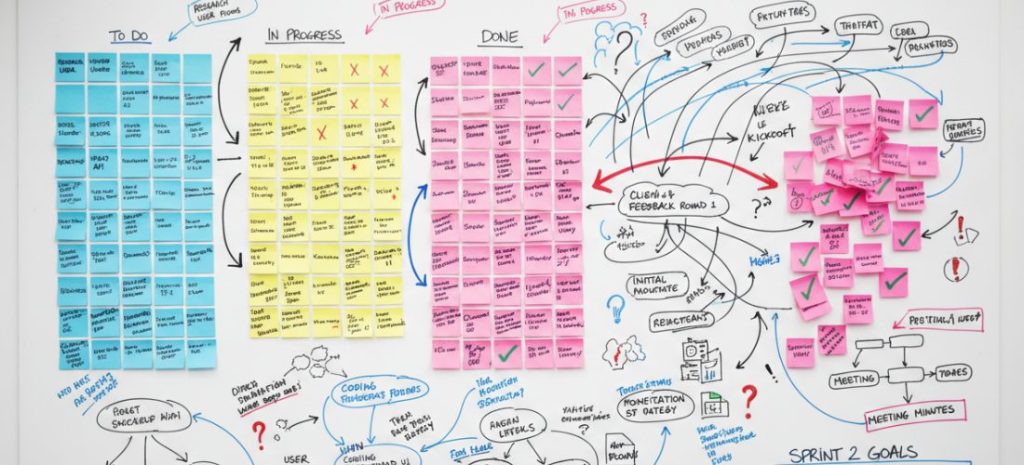
a) Define Clear Goals
Not general goals — specific outcomes.
Examples:
- Acquire 500 qualified leads
- Book 50 demos
- Close £250,000 in pipeline revenue
That clarity informs everything downstream: messaging, booth layout, staffing, follow‑up.
b) Commit to Audience‑Centric Content
Say you’re in industrial automation — don’t just showcase robots. Build sessions about:
- Cost reduction through automation
- Workforce transition strategies
- Case studies from similar companies
This positions your event as a place people will attend to improve their business — not just see products.
c) Pre‑Show Engagement Beats Last‑Minute Hype
This is where most planners fall short: they wait until 2 weeks before and then ‘activate’ their audience.
Instead:
- Start 8–12 weeks in advance
- Use email series with value‑first content
- Trigger appointment bookings before the event
If your audience feels prepared, they arrive with purpose — which means better interactions for everyone.
d) Measure What Matters
Tracking footfall is easy. Tracking quality interactions is harder but more telling.
Use tools and metrics like:
| Metric | Why it Matters |
|---|---|
| Qualified lead conversations | Shows engagement, not just eyeballs |
| Session attendance | Gauges content relevance |
| Post‑event demo requests | Predicts pipeline impact |
| Sponsor satisfaction | Influences renewal |
Maybe fancy swag gets attention — but without these metrics, you’ll never know if it mattered.
4. Execution — The Day of the Show
Day‑of success isn’t about chaos control. It’s about rhythm.
Run Brief Daily Stand‑Ups
In the heat of the event, teams drift. A 10‑minute alignment in the morning keeps goals visible.
Stay Close to Data
Monitor real‑time metrics — for instance:
- Lead capture rates per hour
- Session attendance changes
- Bottlenecks in traffic flow
If something’s not working, fix it during the event, not after.
Staff Preparedness Trumps Everything
Your booth team must:
- Know the target audience’s challenges
- Ask diagnostic questions before pitching
- Capture structured notes in CRM
This isn’t optional. A poorly prepared team turns a trade show into an expensive brochure drop.
5. Post‑Event Reality — Don’t Let Good Data Go Cold
Most companies screw this up.
They spend massive money on logistics and then treat post‑show follow‑up like an afterthought. That’s backwards.
Here’s a simple sequence:
- Within 24 hours: Send personalised thank‑yous
- 48–72 hours: Segment leads by interest
- Day 5–7: Launch nurture sequences with relevant content
- Day 7–14: Book sales conversations
Lean into your CRM automation but keep the language human. Generic follow‑ups are almost worse than none.
6. Challenges You’ll Likely Run Into (and how to beat them)
Challenge: Exhibitor churn before the event
Fix: Provide clear value propositions — not just booth space.
Challenge: Low session attendance
Fix: Use polling ahead of time to tailor topics.
Challenge: Leadership asks “Where’s the ROI?”
Fix: Track pipeline impact early and often.
7. Final Thoughts — This Isn’t About Perfect Execution
It’s about consistent improvement. Few things in B2B marketing or sales are as expensive or as high‑impact as a B2B industry trade show. Done well, they accelerate relationships and revenue. Done poorly, they eat resources and leave you guessing.
If you walk away with one mindset shift, let it be this:
Stop planning events like isolated occasions. Start planning them like revenue‑generating engines.
Not fancy. Not perfect. Just real results.
References (to show credibility)
- Kotler, P. & Keller, K.L. Marketing Management — insights on business buyer behaviour.
- Berthon, P. et al. “When customers get clever: Towards a model of customer empowerment,” Industrial Marketing Management.