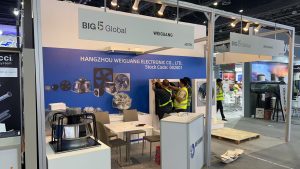
A lot of people think building a trade show booth starts when the materials arrive at the exhibition hall.
It doesn’t.
A booth that works is built months before the show opens. Behind every good booth are hundreds of small decisions made early — about planning, engineering, production, logistics, and installation.
If you’re exhibiting internationally, understanding the full trade show booth construction process helps you avoid three things: surprise costs, last-minute delays, and quality problems.
What Is Trade Show Booth Construction?
Simply put, it’s the whole journey of turning a booth idea into a real space people walk into.
It covers:
- Design planning
- Engineering approval
- Material production
- Quality checks
- Transport
- On-site installation
Unlike building a shop or office, exhibition booths have hard deadlines. The hall closes, the show opens, and your booth must be ready. No extensions. That’s why the process matters more than the design alone.
The 6 Steps of the Trade Show Booth Construction Process
Step 1: Plan Before You Design
Everything starts with your goals, not the look.
A good builder asks:
- How big is the booth?
- Where’s the show?
- What products need displaying?
- Do you need a meeting room?
- Is this a one-time booth or used for multiple shows?
Getting these answers early prevents expensive changes later. We’ve seen clients change their mind mid-build and pay double. Don’t be that client.
Step 2: Design and 3D Preview
Once goals are clear, designers draw the booth — floor plan, visitor flow, display areas, lighting, brand elements.
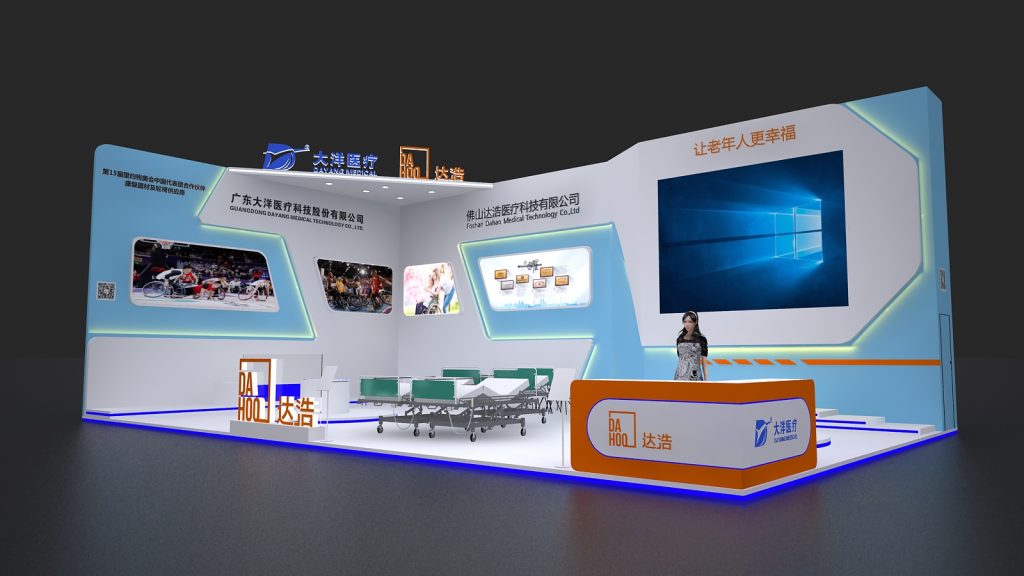
The key tool is a 3D render (a realistic computer image of the finished booth). It shows you exactly what you’ll get: how it looks, where products go, how visitors move. This is where mistakes get caught cheaply — not on the show floor.
Step 3: Engineering and Technical Checks
A pretty design has to be buildable and safe.
The engineering team checks:
- Is the structure stable?
- Are materials allowed by the venue?
- What are the electrical and safety rules?
Rules differ by country. Europe wants fire-safety documents and structural calculations. The US has venue and union-labour rules. Africa needs strong logistics and local coordination. An experienced international booth builder knows these before they become problems.
Step 4: Manufacturing and Quality Control
After approval, the booth gets built in the factory.
This includes structures, graphics, display systems, furniture, and lighting. A professional shop does material checks, pre-assembly testing, and quality inspection before anything ships.
Why does this matter? Because fixing a problem at the venue — 8,000 km from the factory — is slow and expensive. We run self-owned production so we control quality end to end.
Step 5: Transport and Logistics
International booths live or die on logistics.
Planning covers packaging, shipping method, customs paperwork, and delivery timing. One delayed container can kill your opening day.
Experienced builders prepare backup plans, options for local suppliers, and alternative solutions. For overseas shows, hope is not a strategy.
Step 6: On-Site Installation
The final step. The on-site team assembles the structure, sets up electricity, installs graphics, adjusts lighting, and does a final check.
A professional team focuses on three things: safety, accuracy, and timeline. The goal is simple — finish before visitors walk in.
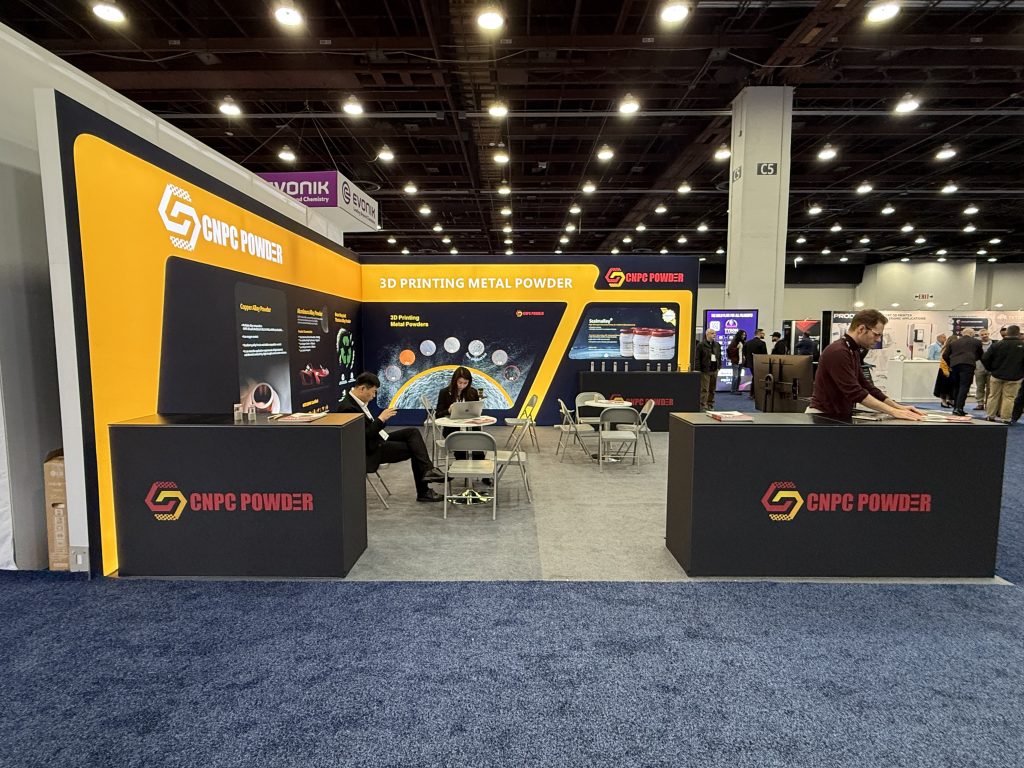
How Long Does It Take?
| Booth Type | Preparation Time |
| Small booth | 4–8 weeks |
| Medium booth | 8–12 weeks |
| Large custom booth | 3–6 months |
International projects need more time because of shipping, regulations, and venue coordination. Start early.
Real Case: Automotive Parts Leader, 100㎡, Done One Day Early
A leading automotive parts company needed a 100㎡ booth built in four days before opening. Their only fear: delay.
Our team used three moves:
- Reverse schedule — built the timeline backward from opening day, with a two-day buffer
- Dedicated 12-person crew — no shared labour, no confusion
- Modular construction — pre-built parts cut on-site work
Result: booth done one day early. Extra time for product setup and testing. Long-term partnership formed.
The lesson: a tight deadline is survivable with the right process.
Traditional vs Modular Construction
| Traditional Construction | Modular Construction | |
| Customization | High | High |
| Install speed | Slower | Faster |
| Reuse | Low | High |
| Future shows | Limited | Excellent |
| Cost control | Medium | Strong |
If you exhibit multiple times a year, modular usually wins on long-term cost. Many brands mix both — custom branding on a modular backbone.
How to Choose a Construction Company
Before you hire, check four things:
1. Production capability. Can they control quality from factory to hall?
2. International experience. Have they built in your target country?
3. Installation team. Do they have a reliable on-site crew?
4. Project management. Can they handle timeline, logistics, communication, and problems?
For cost planning, see our Africa exhibition booth cost guide.
FAQ
How much does trade show booth construction cost?
Depends on size, materials, design complexity, location, and install needs. Every project is different, so ask for a detailed quote, not a flat number.
How long does it take?
Most booths need several weeks. Large international ones can take several months. Start early.
Can a booth be reused?
Yes. Many companies combine custom elements with modular structures to reuse parts across shows.
What’s included in construction?
Usually design, engineering, manufacturing, transport, installation, and on-site support.
Final Thoughts
A successful booth isn’t built on installation day. It’s built through planning, engineering, and reliable execution.
The right trade show booth construction partner turns your idea into a real space that works. For exhibitions in Europe, Africa, the USA, and beyond, experience reduces risk and improves results.