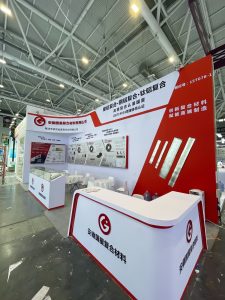
Have you ever walked into a hall on day one of a show and thought, “Why does this stand look nothing like the render?”
Or worse—watched a brand spend serious money on exhibition stands only for the whole thing to feel… off. Cheap edges. Misaligned panels. Dead lighting. Staff are standing around because no one stops.
I’ve seen it too many times across Europe and the US. And most of the time, it’s not the idea that fails. It’s the build.
That gap between design and execution is where exhibition stand build problems happen. And it usually comes down to choices made weeks earlier with the exhibition stand builder or exhibition stand suppliers.
Let’s break it down properly.
1. Most problems start before the build even begins
People think issues happen on-site. They don’t.
They start when someone picks exhibition stand suppliers based only on price or speed.
Cheaper isn’t always worse, but unclear scope is. If the brief is loose, the execution will be loose.
Some suppliers will assume. Others will guess. And guesswork is where exhibition stands start falling apart.
2. Your exhibition stand builder is not just a contractor
This is where brands often misread the relationship.
A good exhibition stand builder doesn’t just “build what’s drawn”. They challenge what doesn’t work structurally, logistically, or even visually in a real hall.
If your builder never asks questions, that’s a red flag.
The better ones will push back on weight, materials, install time, and even visitor flow. Not to complicate things—but to avoid failure later.
3. Design without build thinking is just decoration
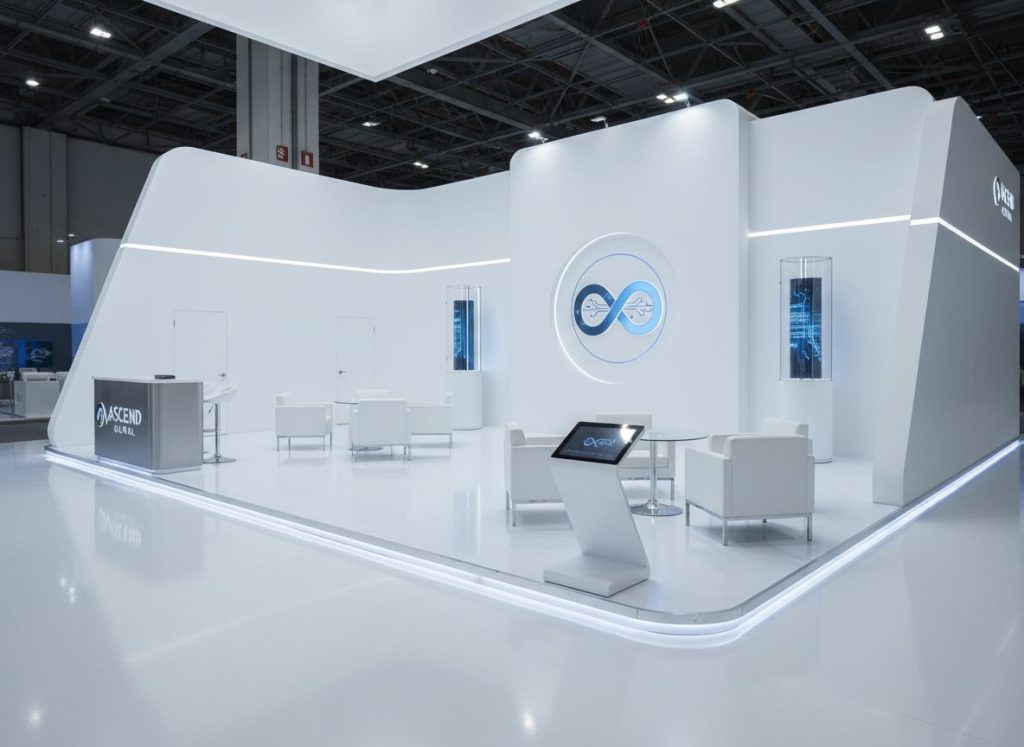
I’ve seen exhibition stands that look incredible in renders but collapse under real-world constraints.
LED walls that overheat. Hanging structures that violate venue rules. Storage hidden in places no forklift can reach.
This is where exhibition stand build reality hits hard.
A strong design always considers:
- venue restrictions
- load-in timing
- electrical limits
- assembly sequence
If none of this is discussed early, you’re gambling.
4. Communication gaps kill more stands than bad design
This sounds basic, but it’s the truth.
Between the client, exhibition stand builder, and exhibition stand suppliers, small misunderstandings stack up fast.
One missing measurement. One assumption about flooring height. One unclear cable route.
That’s enough to create visible problems on show day.
Some teams over-document everything. Others rely on memory. Both fail in different ways.
5. Materials matter more than people expect
Not all exhibition stands are equal in structure.
Two stands can look identical in renders but perform completely differently.
Cheap materials flex, warp, or chip under transport and repeated installs. Better systems are modular, reusable, and designed for repeated exhibition stand build cycles.
If your supplier avoids discussing materials in detail, that’s usually not a good sign.
6. On-site execution is where discipline shows
Even the best planning falls apart without disciplined installation.
Good exhibition stand builders follow a strict sequence: structure first, electrics next, then finishes, then testing.
Bad ones rush the visual layer before stability is locked in.
And that’s how you get last-minute drilling, hidden cables, or worse—rework during opening hours.
7. The smartest brands treat stands like systems, not projects
This is the shift I’ve noticed in high-performing exhibitors.
They don’t treat exhibition stands as one-off builds. They treat them as evolving systems.
They reuse modules. They refine layouts. They stick with proven exhibition stand suppliers who understand their brand over multiple shows.
It’s not flashy, but it reduces risk massively.
And in this space, avoiding failure is often more valuable than chasing perfection.
Conclusion: If I strip all the noise away, poor exhibition stand build outcomes usually come from one thing: disconnected decisions.
Design, build, and supply need to operate as one chain—not separate departments throwing files over the wall.
When that chain is tight, exhibition stands feel effortless on show day.
When it’s not, even the best idea looks broken in real life.
References
Center for Exhibition Industry Research (CEIR) – Trade Show Engagement Reports
Freeman Company Insights – Exhibition Marketing Effectiveness Studies
Harvard Business Review – Attention and Decision-Making in B2B Environments