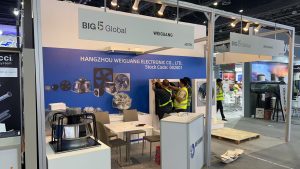
Every exhibitor walks out of a trade show with the same raw material: a stack of badge scans, business cards and half-remembered conversations. The difference between a wasted booth budget and a full sales pipeline is almost never how many people stopped by — it is lead capture at trade shows, meaning how systematically you collect, qualify and follow up those conversations. Research from the Center for Exhibition Industry Research (CEIR) suggests that roughly 80% of trade show leads never receive any follow-up at all. That means most exhibitors are paying for conversations and then throwing them away. This guide walks through a practical, three-stage system — before, during and after the show — that any B2B team can run without extra headcount.
Why Lead Capture at Trade Shows Decides Your ROI
Trade show leads are the most expensive leads you will ever generate. Industry benchmarks put the average cost per exhibition lead at around $112, compared with $259 for an in-person field sales visit — but that figure only pays off if the lead is actually worked. The good news is that the conversion odds are genuinely better: on average it takes 3.5 sales calls to close a lead sourced from an exhibition, versus 4.5 calls for a cold lead. Exhibitors who follow up consistently report conversion rates of 5–10% on show leads, and roughly 20% of properly followed-up leads convert into customers within six months.
Now run the math the other way. If 80% of leads are never contacted, four out of every five dollars of that $112 acquisition cost is written off before the first follow-up email. Lead capture is not an administrative detail at the end of the event plan — it is the mechanism that converts floor traffic into revenue, and it deserves the same planning effort as the booth itself.
Before the Show: Build Your Capture System
The most common reason follow-up fails is not laziness — it is plumbing. Badge scanner exports arrive as raw spreadsheets in the organiser’s format, nobody owns the cleanup, and the data lands in sales’ lap two weeks late and useless. Fix this before the booth ships:
- Define what a “lead” means for this show. Agree with sales on qualification criteria (industry, role, budget, timeline) so booth staff know what they are listening for.
- Choose your capture tool and test it. Whether it is the official badge scanner, the event app, or a simple QR-code form on a tablet, do a dry run. Manual data entry after the show is where leads go to die.
- Pre-map your CRM fields. Know exactly how the scanner export will be imported, deduplicated and tagged before the show, so the import takes hours, not weeks.
- Brief the team with real scripts. CEIR research shows around 64% of attendees pre-plan which booths to visit — your team should know the target accounts, the one qualifying question to ask everyone, and how to tag lead quality on the spot.
On the Floor: Qualify Leads While the Conversation Is Warm
A badge scan is not a lead — it is a contact. At a typical B2B show, a booth that scans 300 badges will collect a mix of students, competitors, gift-seekers and a small core of genuine buyers. The only person who can tell them apart is whoever had the conversation, so qualification has to happen at the booth, in the moment. A simple three-tier system works well:
- Tier A — the visitor described a problem you solve, in their own words, with a timeline. Add one line of context in the notes field: what they said, what they need, and the agreed next step.
- Tier B — they fit your ideal customer profile and the conversation was real, but there is no timeline. A shorter note is fine.
- Tier C — everyone else. Scan, tag, and let them flow into general marketing nurture — or nowhere at all.
Booth design quietly supports this process. An open layout with a dedicated conversation zone keeps visitors long enough for a real exchange, whereas a barrier counter with a video loop tends to produce scans with zero context. That is the philosophy behind how New Power Exhibition (NeoBooths) approaches custom booth layouts: the space itself should be engineered to create qualified conversations, not just traffic. If you are weighing layout options for an upcoming show, our exhibition stand solutions page breaks down footprints by size and traffic flow.
After the Show: Follow Up While It Is Still Warm
Speed is the single highest-leverage variable in post-show conversion. Leads contacted within 24 hours are roughly 3x more likely to convert than those reached a week later — by then the buyer has forgotten your booth and your rep is working a cold list. A practical follow-up cadence looks like this:
- Within 24 hours: a personal email to every Tier A lead that references the specific conversation — not a template blast. This alone puts you ahead of the 80% who never follow up.
- Within 48 hours: Tier B leads receive a personalised touch with relevant content, and every lead has an owner and a next action logged in the CRM.
- Days 5–30: structured nurture — case studies, spec sheets, demo invitations — sequenced according to tier. Around 20% of followed-up leads close within six months, mostly in this window.
Events like CES compress six months of pipeline into a few days, which makes the 48 hours after the show the highest-value selling window of your entire quarter. Protect it: block the calendar for follow-up before the team travels, not after they return.
Common Lead Capture Mistakes (and How to Fix Them)
- Collecting everything, qualifying nothing. A bulging spreadsheet of unqualified scans poisons CRM data and destroys rep trust in event leads. Use the tier system at the booth.
- One generic blast email to all leads. Attendees can tell. Reference the conversation, or at minimum segment by tier and interest.
- No defined owner. Assign each Tier A lead to a named rep before the show ends, with a 24-hour deadline.
- Measuring scans instead of pipeline. Track leads through the sales cycle — industry surveys find fewer than half of exhibitors do — and report cost per qualified opportunity, not badge count.
- Skipping the debrief. Ten minutes after teardown: how many Tier A/B/C, what objections came up, what to change next show.
Frequently Asked Questions
What is the best way to capture leads at a trade show?
Combine a digital capture tool (badge scanner, event app, or QR-code form) with live qualification by the staff member who had the conversation. Every capture should include a quality tier and a one-line note about what the visitor needs. Digital tools synced to your CRM eliminate the manual-entry bottleneck that causes most follow-up failures.
How quickly should you follow up on trade show leads?
Within 24 hours for your best leads. Research consistently shows leads contacted within 24 hours convert several times better than those contacted a week later, and roughly 80% of exhibitors never follow up at all — so a fast, personalised email puts you in a small minority by default.
How many leads can you expect from a trade show booth?
It varies enormously by show, footprint and traffic, but a reasonable benchmark for a mid-size B2B booth is 100–300 scans per show, of which perhaps 10–20% will be genuinely qualified. Expecting every scan to be a buyer is the fastest route to discouragement — qualify and tier instead.
How do you measure the ROI of trade show lead capture?
Track three numbers: cost per captured lead (total show cost ÷ leads), lead-to-opportunity rate, and revenue attributed to show-sourced pipeline over a 6–12 month window. CEIR benchmarks put average exhibition ROI around 4:1 for exhibitors who run disciplined capture and follow-up.
Getting lead capture right costs almost nothing — a briefing, a tier system and a 24-hour follow-up rule — yet it multiplies the return on a five or six-figure booth investment. If you are planning a booth for an upcoming international show and want the physical space engineered to generate qualified conversations, talk to the NeoBooths team about your next event.