Spain runs one of the densest international exhibition calendars in Europe: a global tourism fair that fills eleven halls every January, the world’s largest AV integration show in February, and a steady stream of tech, food, and mobility events in between. But planning a Spain trade show booth is its own exercise — you will deal with two very different venue systems, Spanish-language technical filings, and a business culture where meetings happen over coffee, not at a counter. This guide covers the shows worth targeting, what a booth in Spain really costs, and the rules that catch international exhibitors off guard.
Why Exhibit in Spain in 2026 and 2027
Spanish trade fairs punch far above the country’s size. Three events anchor the calendar for international exhibitors:
- FITUR, Madrid — January 20–24, 2027 at IFEMA Madrid. FITUR is the world’s leading tourism trade fair, and its 2027 edition expands to eleven halls with Puerto Rico as partner country. The last edition drew 255,000 visitors and more than 10,000 companies from 161 countries. Weekdays (January 20–22) are trade-only; the weekend opens to the public, so design your booth to work for both audiences. Dates and exhibitor details are on the official FITUR website.
- Integrated Systems Europe (ISE), Barcelona — February 2–5, 2027 at Fira Gran Via. ISE is the world’s largest show for professional AV and systems integration, with a show floor spanning over 101,000 square meters. If your product touches displays, audio, control systems, or smart buildings, this is the European show that matters.
- Smart City Expo World Congress, Barcelona — November 3–5, 2026, also at Fira Gran Via. The 15th edition expects 27,000+ attendees and 1,100+ exhibitors from 50+ countries — the go-to event for urban tech, mobility, energy, and government-facing solutions.
On top of these sit Mobile World Congress every March and major food, fashion, and construction fairs in both cities. If your buyers are in tech, read our MWC 2027 Barcelona booth guide for a show-specific deep dive — much of the venue logistics below apply there too.
IFEMA Madrid vs Fira Barcelona: Two Venue Systems
Nearly every international exhibitor in Spain ends up at one of two complexes, and they run differently:
IFEMA Madrid sits directly beside Barajas Airport (Metro Line 8, about ten minutes from the terminals), which makes it unusually convenient for short exhibitor trips. It hosts the corporate and professional fairs — FITUR, and a strong calendar of healthcare, construction, and industry events. Expect a centralized logistics system with a marshalling area near the main gate, and technical documentation (stand plans, safety certificates, material declarations) typically due 20–30 days before build-up. Standard structure height is around 4 meters, with suspended elements permitted higher in certain pavilions under a separate engineering approval.
Fira de Barcelona Gran Via is one of Europe’s largest venues at roughly 240,000 square meters and has become the country’s tech hub — ISE, MWC, and Smart City Expo all run here. The L9 South metro line connects it directly to the airport. Fira allows taller structures — up to 7 meters with accredited rigging crews — and its technical filings are usually due 15–20 days out, but it enforces scheduled build-up slots strictly, so confirm your possession window early rather than assuming free 24-hour access.
One rule applies to both: late paperwork attracts surcharges or outright refusal at inspection. Whatever the exhibitor manual says, treat those deadlines as hard.
Booth Design That Works on Spanish Show Floors
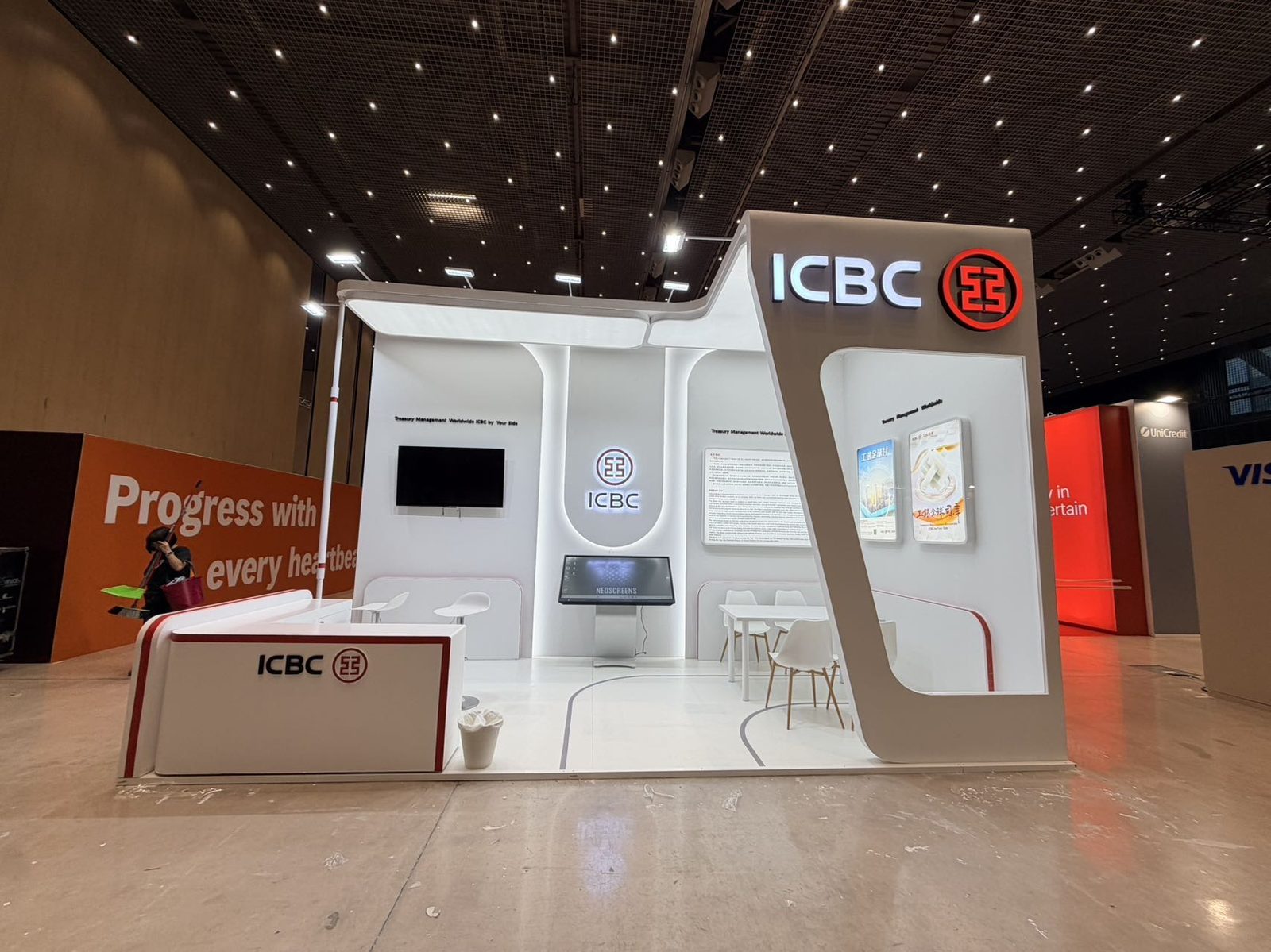
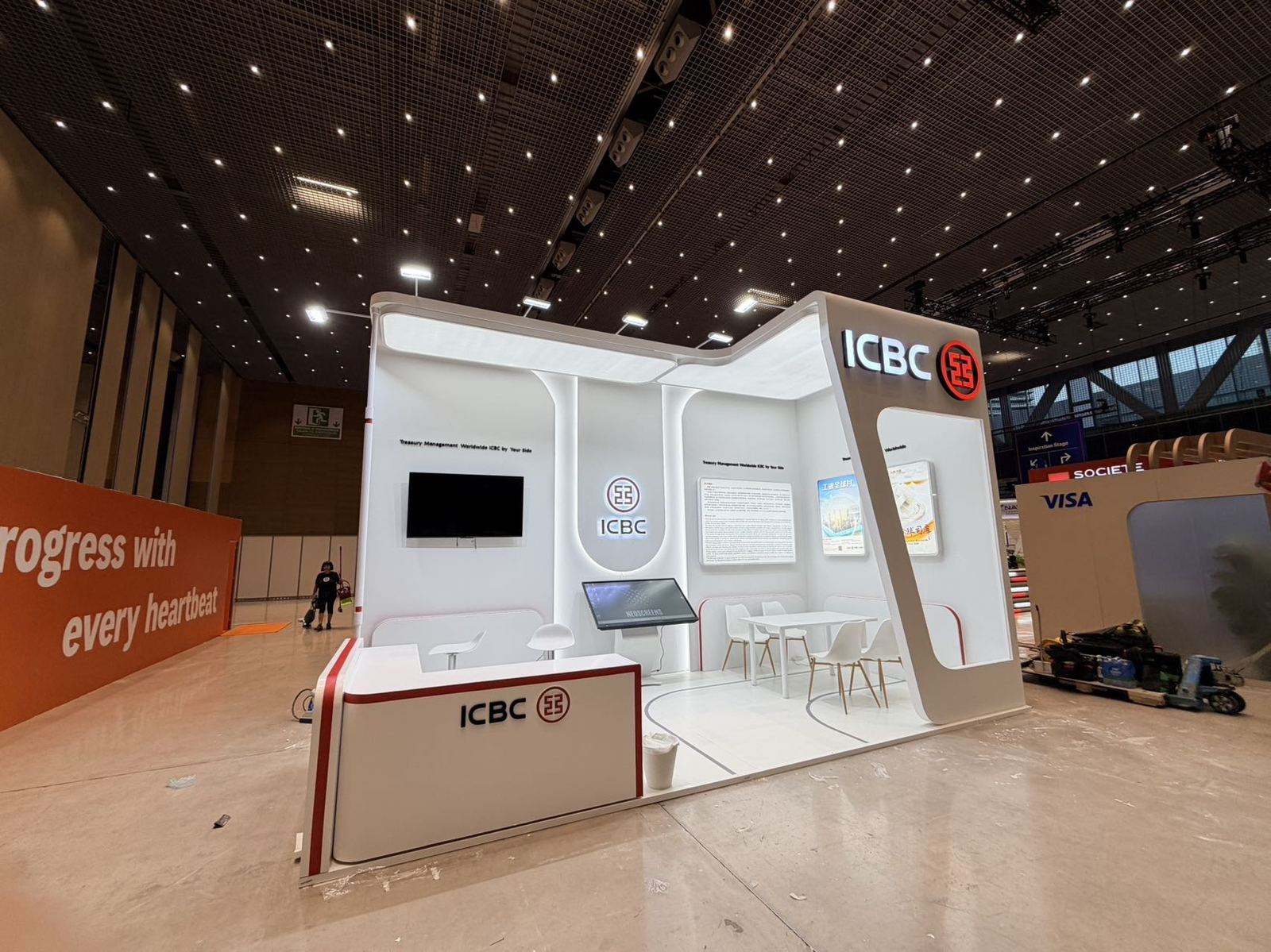
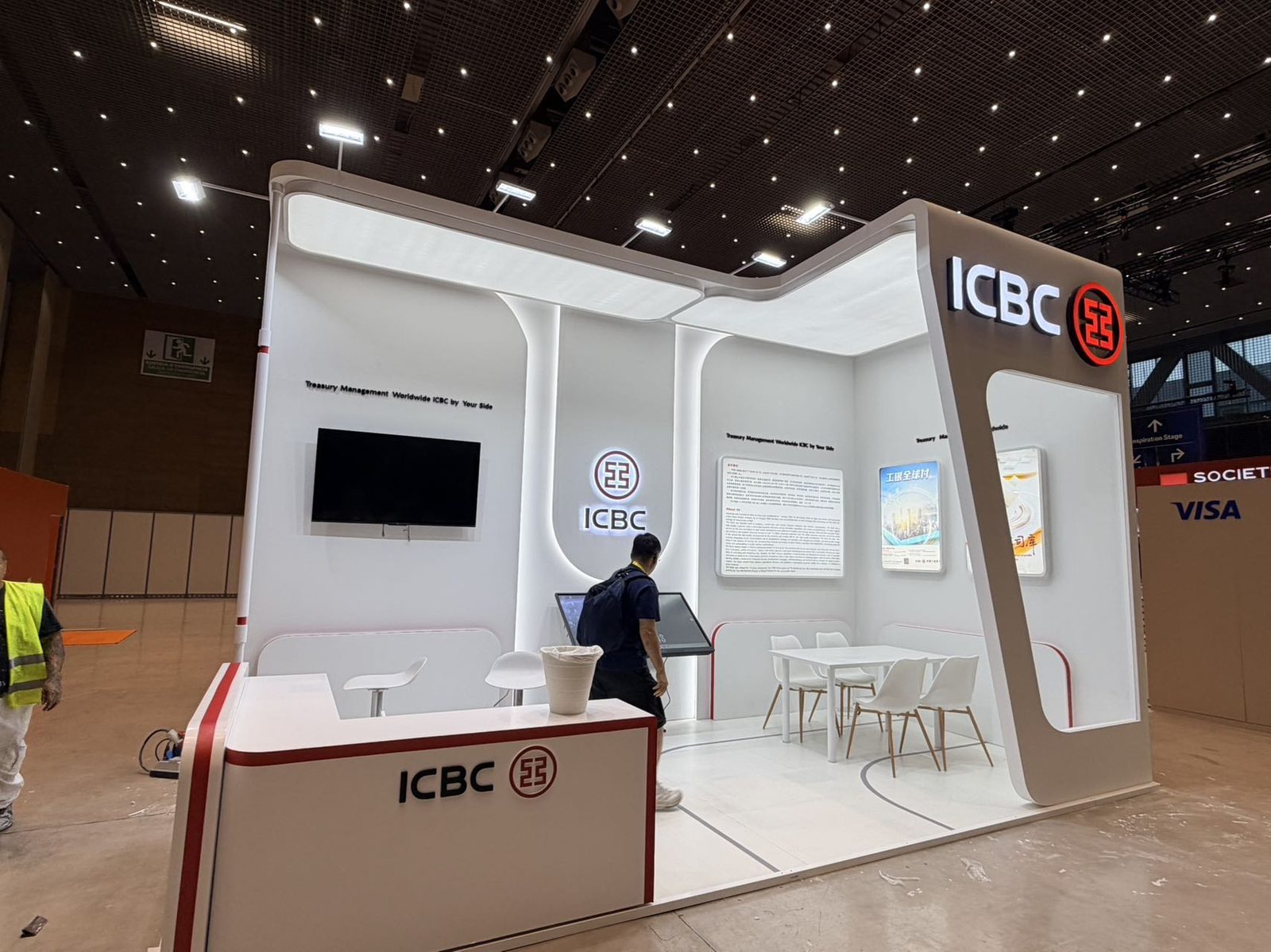
Spanish business culture is relationship-first, and the best-performing booths reflect that. Instead of a fortress of product walls, plan for a genuine hospitality zone: a semi-private meeting area with a real table, space to serve coffee, and enough seating for the long, unhurried conversations that Spanish and Latin American buyers expect. Open frontages matter here more than in Northern Europe — attendees drop in casually, and a visible, welcoming interior pulls them in.
Backlit fabric graphics and curved logo towers have become the visual language of quality stands in Spain, and local fabrication makes them affordable. If you go tall, remember the rigging rules above: hanging banners and towers above 4 meters need pre-approved engineering and certified crews, so lock that into the design phase, not the week before the show.
Working with a team that owns the fabrication floor removes most of this friction. At New Power Exhibition (NeoBooths), we design, build, and install stands across Spain and 30+ countries — one point of contact from 3D render to dismantling, with venue filings and rigging approvals handled for you. You can review the full scope on our booth solutions page before committing to anything.
What a Booth in Spain Really Costs
Spain sits in the middle of the Western European cost band. For space-only plots, custom builds typically land in the €250–450 per square meter range once design, fabrication, graphics, and on-site labor are counted; modular systems run lower, and double-decker structures run higher. Shell-scheme upgrades (back walls, fascia, lighting) are the entry point for smaller budgets. Raw space rental is billed separately by the organizer and varies sharply by show — prime ground-floor halls at ISE or MWC command noticeable premiums.
The budget lines that surprise first-timers:
- Material handling and drayage. Both venues charge for in-house freight, forklift, and storage services; these fees are calculated by weight and timing, and rush handling is expensive.
- AV and rigging. LED walls, hanging banners, and anything overhead require pre-approved rigging plans and certified riggers — order early, because on-site power and rigging prices rise sharply in the final weeks.
- Accommodation. Barcelona hotels multiply in price during ISE and MWC weeks and sell out months ahead; Madrid fills up around FITUR. Book the moment your space is confirmed.
A budgeting rule that travels well from our first-time exhibitor guide: multiply your space rental by roughly 2.5 to estimate the all-in stand-side spend. Spain rewards this discipline as much as any market.
Timeline and On-Site Practicalities
Work backwards from your show dates. For a February show like ISE or a January one like FITUR: freeze your design and contract a builder 6–9 months out (mid-2026 for the 2027 season); submit technical filings the moment the venue portal opens, no later than 4 months out for complex or double-decker stands; lock production, graphics, and freight 2 months out. Spanish venues assign build-up slots by hall and structure type — island booths and rigged elements go in first, inline stands follow — so confirm your slot rather than assuming the hall is open.
On site, a few practicalities save real money. Venue paperwork and contractor portals are Spanish-first; English is widely spoken on the show floor but not always in the loading dock. If you ship a stand in from outside the EU, expect temporary import paperwork and customs clearance — for most exhibitors, rebuilding locally from existing design files is cheaper than freighting a structure in. And after the show, move fast on follow-up: the same 48-hour window applies everywhere, and buyers at Spanish fairs expect quick, concrete next steps. When you are ready to price a specific show, contact our team for a fixed quote.
Spain Trade Show Booth FAQ
When are the biggest trade shows in Spain in 2026 and 2027?
Smart City Expo World Congress runs November 3–5, 2026 in Barcelona. In 2027, FITUR takes place January 20–24 at IFEMA Madrid and Integrated Systems Europe runs February 2–5 at Fira Gran Via, Barcelona. Mobile World Congress follows in early March in Barcelona.
How much does a trade show booth in Spain cost?
For a space-only plot, custom stand construction typically costs €250–450 per square meter including design, build, graphics, and labor. A 36 sqm custom booth usually lands between €12,000 and €25,000 in construction alone, with space rental, drayage, AV, and travel billed separately.
Can I ship my existing booth into Spain instead of building locally?
You can, but for exhibitors coming from outside the EU, customs clearance, temporary import handling, and re-approval of materials usually erase any savings. Most international exhibitors rebuild locally from their existing design files and rent modular elements on site.
Should I exhibit in Madrid or Barcelona?
Follow your show, not the city. Madrid (IFEMA) anchors tourism, healthcare, and corporate fairs like FITUR; Barcelona (Fira Gran Via) hosts the tech giants — MWC, ISE, and Smart City Expo. Both venues are directly connected to their airports, so either city works well for a short exhibitor trip.