
Which Booth Type Actually Works for You?
I get asked this all the time when covering trade shows: “Should I go shell scheme or custom?”
It sounds simple, but anyone who’s tried both knows it’s not. Pick the wrong booth type, and your budget explodes—or worse, you blend into the background and miss the leads you came for.
So let’s break it down like an industry insider. I’ve walked floors from Dubai to Chicago, and the difference between a mediocre show and one that actually delivers ROI often comes down to your booth strategy.
Understanding the Shell Scheme
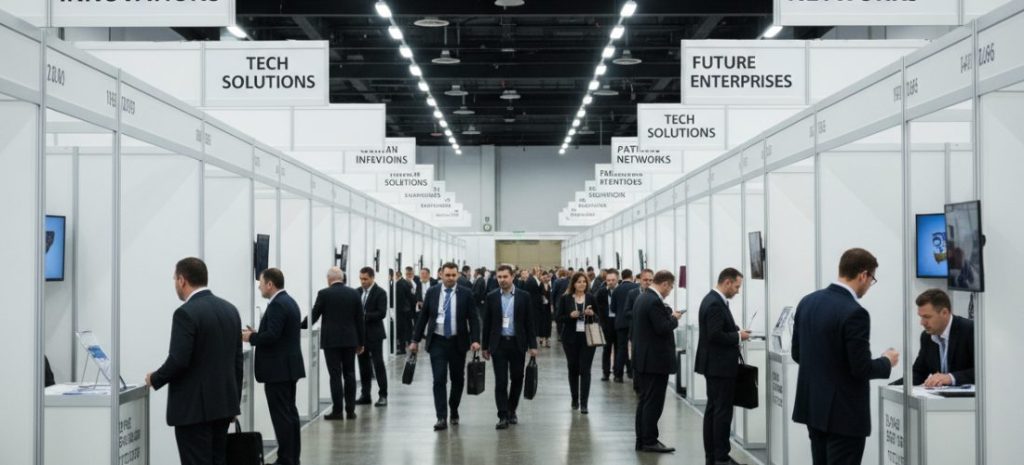
A shell scheme is basically the trade show’s “standard package.” Think walls, carpet, basic lighting, and maybe a counter or two.
Pros:
- Affordable and predictable costs
- Quick to set up
- Ideal for first-time exhibitors or smaller budgets
Cons:
- Limited design flexibility
- Can look generic if you don’t customise graphics
- May struggle to stand out in a crowded hall
In short, shell schemes are low-risk. If your goal is testing the market, maintaining a presence, or staying lean, this booth type can make sense. But if you’re hoping to create a memorable experience, it’s only the starting point.
Enter the Custom Booth
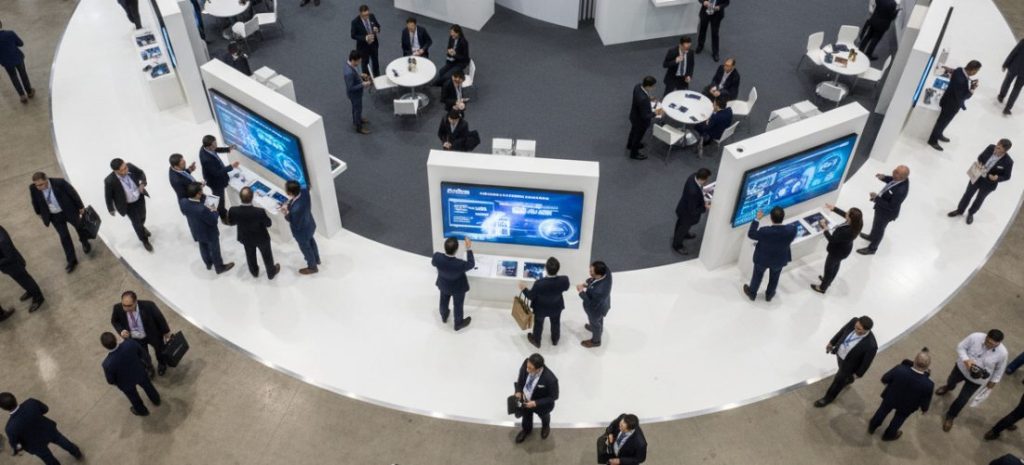
Custom booths are a whole different beast. These are the big, bold, tailored builds—think integrated displays, branded lighting, interactive tech, and unique structures.
Pros:
- Total design freedom
- Stronger brand impact
- Can deliver immersive visitor experiences
Cons:
- Costly, sometimes double or triple a shell scheme
- Longer lead times for design, approval, and build
- More logistics headaches
Custom booths reward bold brands willing to invest in attention—but you need to be realistic. Not every product or market demands a fully custom build.
How to Decide Your Booth Type
Here’s my no-nonsense approach:
- Budget First: If you only have a modest budget, shell scheme keeps costs predictable. Custom is fine if ROI justifies the spend.
- Objective Alignment: Ask yourself—what’s the goal of this show? Lead generation? Brand positioning? Product launch? Some objectives require the flexibility only a custom booth provides.
- Audience Expectation: In industries where professional visitors expect high-end displays—tech, automotive, luxury products—a custom booth often signals credibility. Shell schemes work better for commoditised products or smaller regional shows.
- Logistics Reality: Custom booths require storage, shipping, and sometimes union labour. Shell schemes are simpler to transport and assemble.
- Reusability: If you plan to attend multiple shows, a modular custom design can pay off. A shell scheme is often single-use unless you invest in upgrades.
Little Tweaks That Make Any Booth Stand Out
Even if you choose a shell scheme, you can punch above your weight:
- Eye-catching graphics and branded walls
- Interactive screens or tablets
- Thoughtful lighting
- Engaging staff and a clear message
Sometimes it’s not about the structure—it’s about how you use it. A smart design and well-trained team can make a simple shell scheme outperform a fancy custom booth.
The Takeaway
Choosing the right booth type isn’t about which is “better” universally—it’s about fit.
- Shell scheme = cost-effective, low-risk, functional
- Custom booth = flexible, immersive, high-impact
Know your budget, audience, goals, and logistics. Then make the choice that aligns with your objectives, not just what looks impressive on paper.
Done right, the right booth type can turn a trade show from a stressful obligation into a lead-generating, brand-building win.
References
- Centre for Exhibition Industry Research (CEIR) – Trade Show Booth Insights
- Exhibitor Online – Shell Scheme vs Custom Booth Analysis
