Build Trade Show Booth: 5 Win, 5 Fail Ideas
Why do some booths pull crowds… and others don’t?
Build trade show booth decisions are where most companies either win attention or quietly lose it.
You’ve probably seen it.
Same event. Similar-sized trade show booth stand. One is busy all day. The other feels invisible. Staff waiting, conversations not happening.
So what’s actually going wrong?
Most teams assume it’s budget. Or maybe location.
But from what I’ve seen, it’s usually something simpler.
It’s how they build trade show booth strategy in the first place.
The real problem: too many ideas, not enough focus
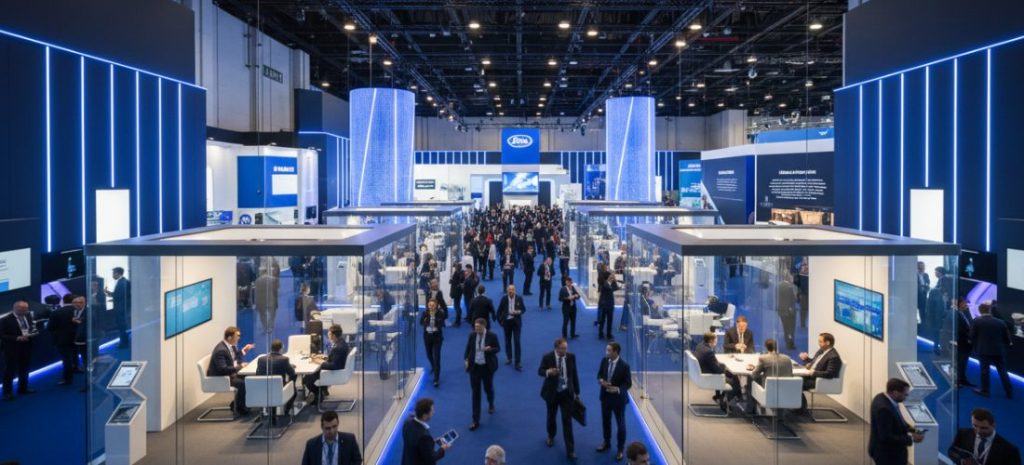
When companies plan their booth, they often try to do everything. Brand awareness, product display, lead generation, networking.
It sounds right. It usually isn’t.
The best trade show booths tend to be focused. Clear. Easy to understand.
The weaker ones try to say too much and end up blending into the background.
5 ideas that actually work (Win)
1. One clear message wins attention
If someone can’t understand what you do in a few seconds, they move on.
Clarity beats creativity more often than people expect.
2. Design for movement, not symmetry
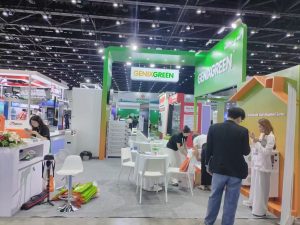
A good trade show booth stand should feel open and easy to enter.
If people hesitate, the layout is working against you.
3. Use table top displays with intent
Trade show booth table top displays work well in smaller setups.
But only when they guide interaction, not just hold printed material.
4. Staff behaviour drives results
You can build trade show booth setups perfectly, but if the team stands back and waits, performance drops.
This is one of the most common issues.
5. Adapt to the event environment
What works in trade show booths las vegas might not work in smaller shows.
Different audiences, different expectations.
Smart teams adjust instead of copying the same setup everywhere.
5 ideas that quietly fail (Fail)
1. Overdesigning the booth
Too many visuals, too much text.
People don’t stop for complexity.
2. Blocking the entrance
Tables placed at the front create distance.
They look practical but reduce engagement.
3. Relying on giveaways
Free items bring people in, but often not the right people.
You get attention without meaningful conversations.
4. Ignoring movement flow
Some booths look good but feel awkward to walk into.
If movement feels unnatural, people leave quickly.
5. Treating every show the same
This happens more than you’d expect.
What works in one environment doesn’t always translate, especially in high-traffic settings like trade show booths las vegas.
A more practical way to think about it
If you plan to build trade show booth setups regularly, the shift is simple.
Focus less on how it looks, more on how it works.
Ask:
- Does this booth attract or confuse?
- Does it invite or block?
- Does it start conversations or just display information?
Maybe these sound basic. But they’re often overlooked.
What companies often underestimate
One thing that doesn’t get discussed enough is how small improvements build over time.
If you consistently build trade show booth setups, each event becomes feedback.
What worked, what didn’t, where people stopped, where they walked past.
Some teams refine their trade show booth stand layout based on real movement.
Others adjust messaging after seeing what actually starts conversations.
Even trade show booth table top displays evolve.
What starts as a static display may become interactive after a few events.
In environments like trade show booths las vegas, this matters even more.
Attention is limited, competition is higher, and small improvements make a difference.
The companies that improve aren’t always the ones spending more.
They’re the ones paying attention.
What separates average from effective
Winning booths reduce friction.
Failing booths add it.
That’s usually the difference.
And it doesn’t come from one big idea.
It comes from small decisions made early when you build trade show booth strategy.
References
- Centre for Exhibition Industry Research (CEIR) – Exhibition engagement benchmarks
- UFI Global Association of the Exhibition Industry – Industry insights
- Event Marketer – Experiential marketing reports