How to build a trade show booth is something many exhibitors only start thinking about far too late.
And honestly, that’s usually the real problem.
Not the graphics.
Not the flooring.
Not even the structure itself.
I’ve walked through enough exhibitions now to notice the same pattern repeating. Companies spend months discussing products, sales targets, and marketing goals, then suddenly realise the trade show is only six weeks away and nobody has properly planned the booth.
That’s when bad decisions start happening fast.
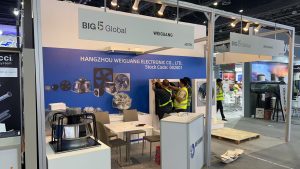
Oversized structures. Confusing layouts. Rushed trade show booth setup. Expensive last-minute fixes. And sometimes, awkward trade show booth repair work happens only hours before visitors arrive.
Most booth problems actually begin long before construction starts.
That’s why learning how to build a trade show booth properly matters more now than ever. Modern exhibitions move quickly, competition inside exhibition halls is louder, and visitors decide within seconds whether a booth feels worth approaching.
A booth is no longer just a display space.
It’s part marketing tool, part sales environment, and part brand statement, all happening at the same time.
Good booth construction starts with one simple question
“What should visitors remember after leaving?”
Most exhibitors focus on appearance first.
But the strongest booths I’ve seen recently focused on behaviour:
- where visitors stop
- How conversations begin
- What products do people notice first
- whether the layout feels approachable
That changes how companies think about how to build a trade show booth entirely.
Because once the visitor experience becomes the priority, design decisions become clearer:
- Open layouts usually work better
- Oversized walls often block engagement
- Clear trade show graphics outperform cluttered messaging
- Product interaction matters more than decoration
Some exhibitors still believe expensive builds automatically create better results.
Sometimes they do.
But often, clarity beats complexity.
trade show booth setup is where many brands lose control
This part gets underestimated constantly.
A booth may look incredible in renderings but fall apart during installation if logistics are poorly managed.
I’ve seen booths delayed because:
- components arrived damaged
- Measurements were inaccurate
- graphics printed incorrectlyThe
- electrical plans changed at the last minute
- Installation crews lacked clear instructions
That’s why experienced exhibitors now spend far more time planning trade show booth setup before the event begins.
Others suggest that setup efficiency matters almost as much as booth design itself. If installation becomes chaotic, costs rise quickly, and stress spreads through the entire team.
And honestly, exhibition halls are not forgiving environments. Deadlines are tight. Labour windows are short. Problems get expensive very fast.
The strongest exhibition teams usually simplify wherever possible.
Trade show booth repair is becoming part of a long-term booth strategy
Nobody really talks about this enough.
Booths take damage constantly:
- shipping scratches
- broken lighting
- worn flooring
- damaged graphics
- missing hardware
For companies attending multiple events yearly, trade show booth repair becomes a serious operational issue.
Some brands now intentionally choose modular systems because replacing individual sections is easier than rebuilding entire structures.
Others keep backup graphics and spare hardware stored locally near major exhibition venues.
Maybe that sounds overly cautious.
But if a booth gets damaged hours before a show opens, preparation suddenly becomes very valuable.
And honestly, visitors notice quality quickly. A damaged stand quietly affects brand perception, even if exhibitors pretend it doesn’t.
Maybe the smartest booths are the easiest ones to understand
There’s probably a bigger lesson behind all this.
The best booths rarely feel complicated.
They feel clear.
Visitors understand:
- What the company does
- Why it matters
- Where to go
- How to interact
That’s usually enough to start conversations.
So when companies ask how to build a trade show booth successfully, the answer is maybe less about construction and more about communication.
Because on crowded exhibition floors, attention is limited.
And clarity still wins faster than complexity.