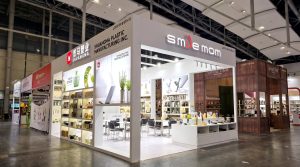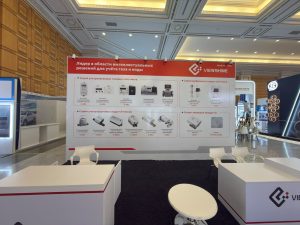
Architect’27 — the 39th edition of Bangkok’s Architect Expo — is the single most efficient way for building product brands to put their catalogues in front of Southeast Asia’s architects, developers, and contractors. The show fills Challenger Hall at IMPACT Muang Thong Thani from 27 April to 2 May 2027 with more than 1,000 exhibitors across 75,000 sqm, and it is open to trade and public visitors alike, free of charge. This guide covers the show’s facts, the booth designs that actually convert on this floor, the venue logistics at IMPACT, and what a stand there really costs.
Why Exhibit at Architect’27 Bangkok
Architect Expo bills itself as ASEAN’s largest building technology exposition, and the numbers support the claim. Organized by TTF International together with the Association of Siamese Architects (ASA), the show’s official fast facts list 1,000+ exhibitors, 328K+ trade and public visitors, 100K+ products and services, and a reported transaction value of ฿22,000 million across the six show days. Because admission is free and the show runs 10:00–20:00 daily, the aisles mix two audiences you rarely get in one hall: specifiers and procurement teams from Thailand and neighbouring ASEAN markets, plus a high volume of consumers planning renovations — valuable if you sell through retail or dealer channels.
The timing matters too. Late April sits inside Thailand’s quiet Songkran-adjacent stretch, and Architect’27 effectively opens the second-half selling season for the region’s construction supply chain. Exhibitors use it to launch products ahead of the year’s project tenders, meet distributors from Malaysia, Vietnam, Indonesia, and Cambodia, and collect qualified contacts for the rest of the year. If you are weighing Bangkok against other Thai events, our Thailand trade show booth guide compares the country’s three main venues and the full annual calendar.
What Buyers Come to See
Architect’27 spans the full building supply chain, and the floor plan reflects how Thai specifiers actually shop. Product categories cover tiles, stone, and surface coatings; doors, windows, and facade systems; flooring; kitchen, bathroom, and HVAC; hardware and fasteners; construction machinery and tools; lighting and electrical; and smart-building technology. Two signature features anchor the show: the Palette of Materials Pavilion and the Thematic Pavilion, both collaborative design installations built by architects working directly with material suppliers. Getting your product specified into one of these pavilions is a credibility shortcut — designers photograph them all week and the images circulate long after the show closes.
An expert-led conference programme runs alongside the exhibition, pulling in the country’s practicing architects and interior designers. For exhibitors, the practical takeaway is that a large share of visitors arrive with projects in progress: they are not browsing, they are sourcing materials to specify. Your booth should therefore behave like a working materials library — real samples within reach, certification documents on hand, and staff who can discuss project quantities without checking with head office.
Booth Design Ideas for Building Product Brands
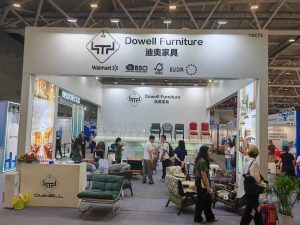
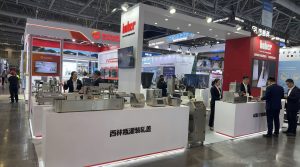
Building material exhibits win or lose on how easily visitors can touch, compare, and specify. The stands that perform best on this floor share a few traits:
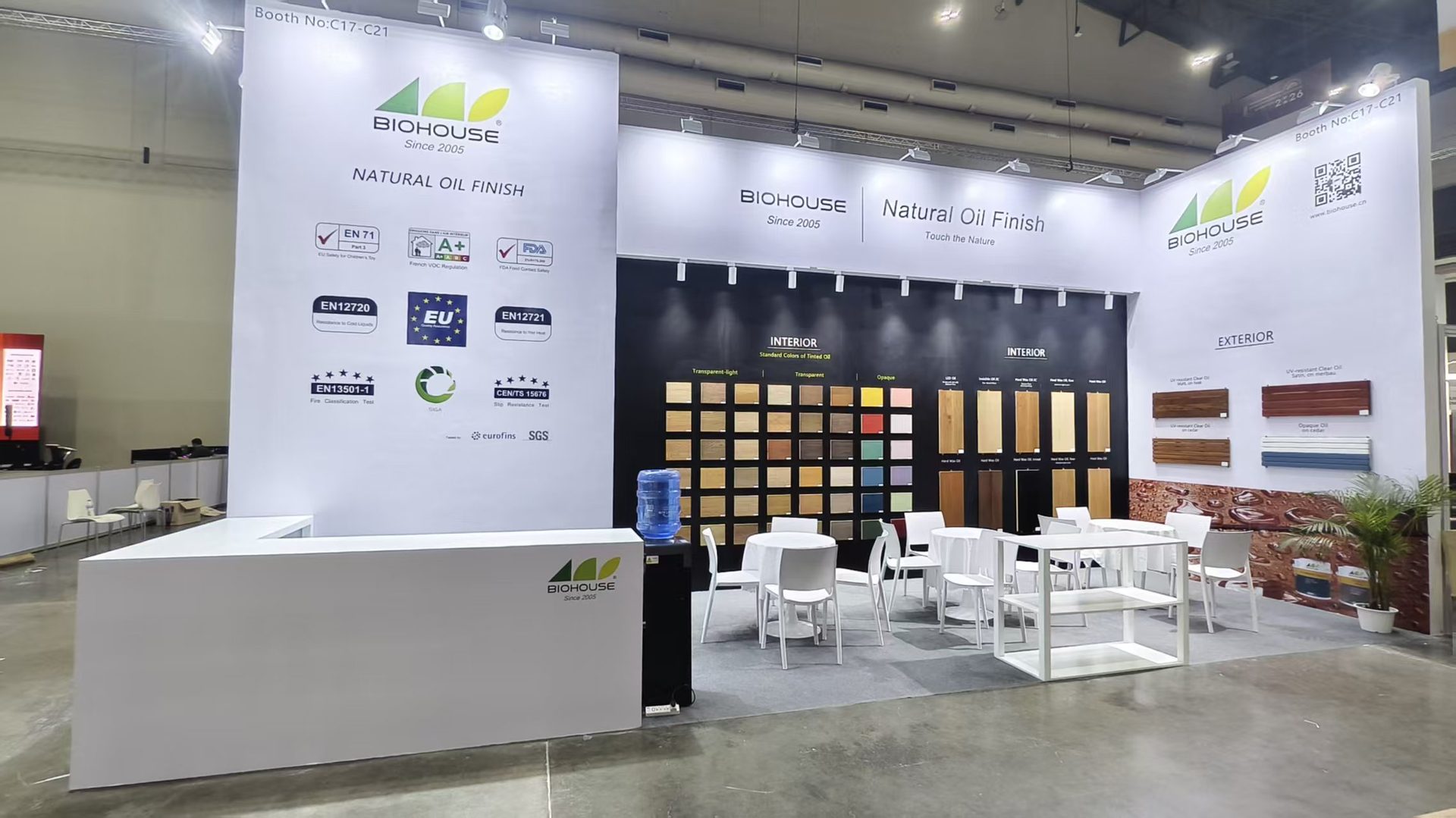
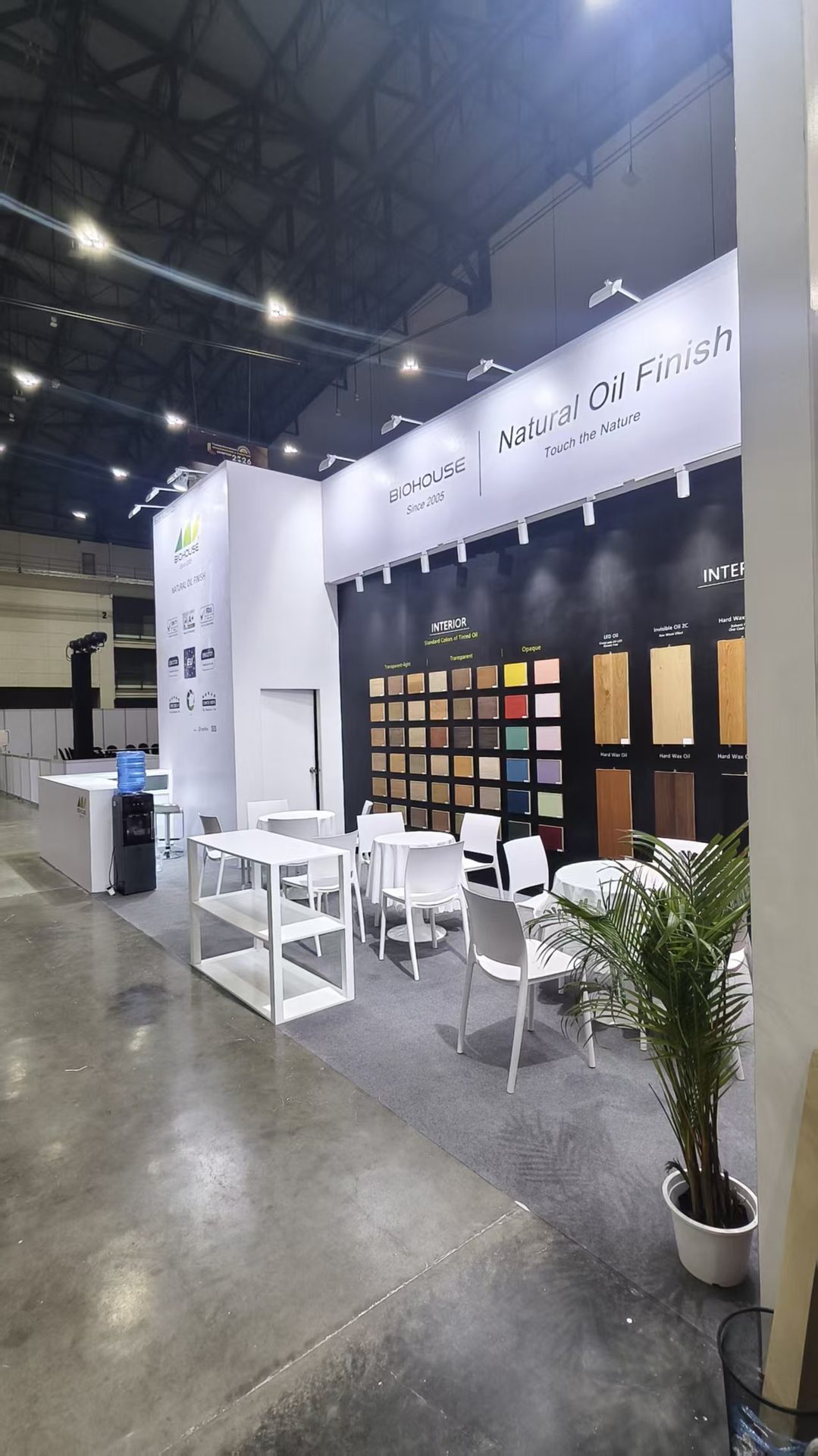
- Sample walls instead of printed panels. A wall of real material swatches — wood finishes, tile series, coating colours — lets visitors build their own shortlist standing at your booth. Arrange samples by application rather than by product code, so a facade designer and a flooring buyer each find their lane without help.
- Light for true colour. Bangkok’s halls are bright, but finish colours read differently under mixed lighting. High-CRI track lighting over sample walls prevents the most common complaint at material stands: “it looked different in the catalogue.”
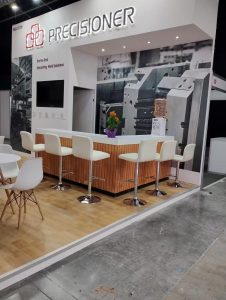
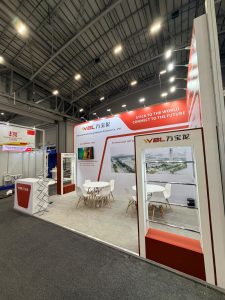
- Open fronts and seated meetings. Thai business culture is relationship-first. Corner and island stands with open archways pull in casual walk-ins, and a modest table with chairs converts them into longer, higher-quality conversations — exactly the dynamic detailed in our Thailand guide.
- Certification signage that answers objections. EN, ASTM, or SSI standard marks displayed next to the relevant samples pre-empt the compliance questions specifiers always ask, and keep conversations moving toward quantity and price.
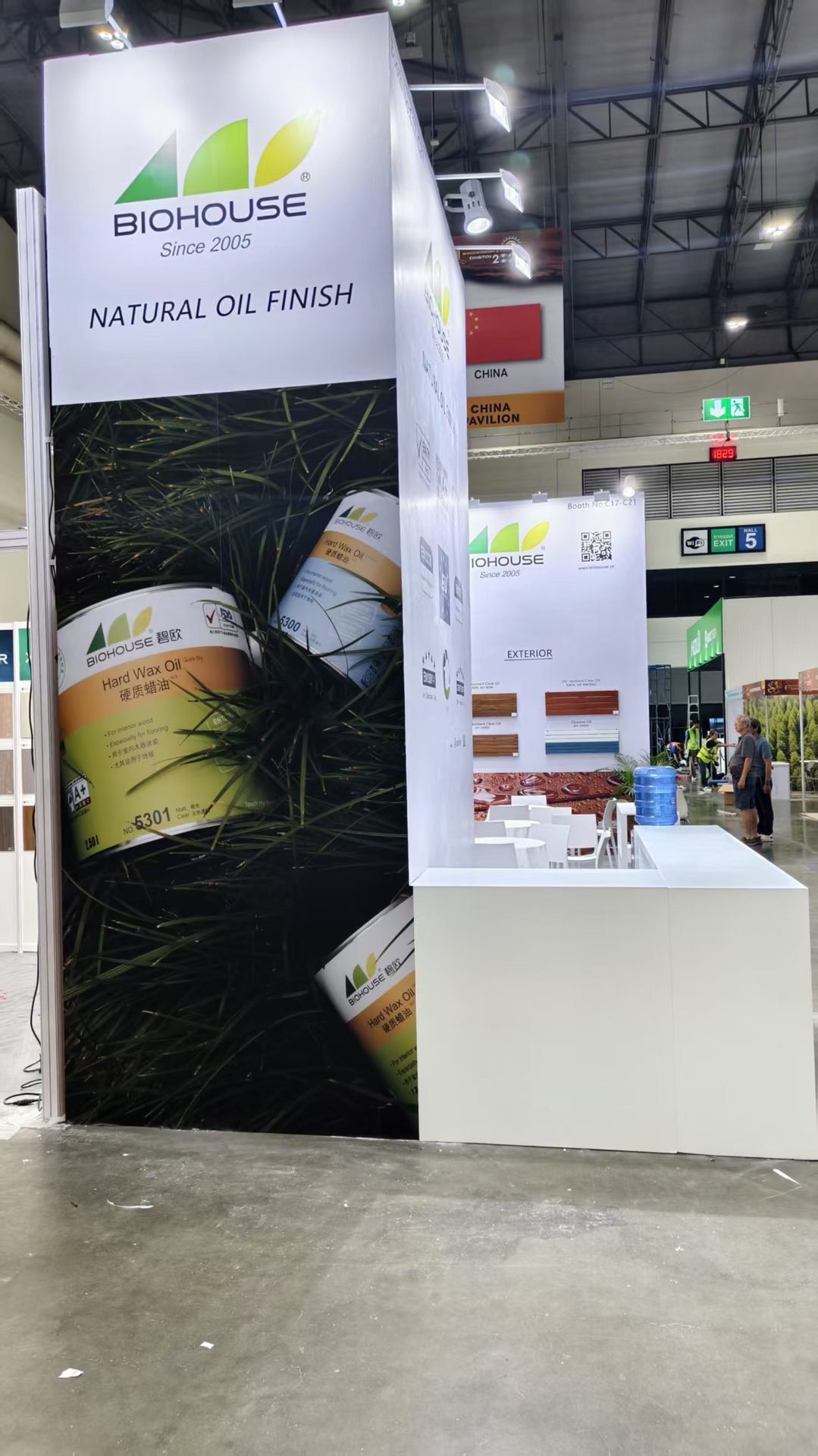
Execution is where many first-time Bangkok exhibitors stumble — humidity warps untreated timber displays, and venue fire-safety inspections are strict on fabrics and coatings. Our team at New Power Exhibition (NeoBooths) builds custom and modular stands for building-material exhibitors across Bangkok’s venues, with in-house 3D design, fabrication, and on-site installation; see how that turned out on a construction-sector build in our CBA Expo project case. For the full scope of a turnkey engagement, visit our solution page.
Venue Rules and Build Logistics at IMPACT
IMPACT Muang Thong Thani is one of Asia’s largest exhibition complexes, and Challenger Hall’s scale means load-in schedules are firm. Work backwards from the build-up window printed in your exhibitor manual — most custom stands get one to two build days, and complex island structures need earlier slots requested at booking. Three practicalities decide whether installation goes smoothly:
- Fire-rated materials are inspected. Thai venues check fabrics, timber treatments, and paints against fire-safety standards. Bring certificates for every flame-retardant material; substitutions on-site cost multiples of doing it right in fabrication.
- Rigging and height need pre-approval. Suspended signage and overhead structures must be submitted with engineering details to the venue well before the show — three to four weeks is the safe margin, and heavier truss loads require earlier sign-off.
- Material handling runs through the official contractor. Forklift and labor services at IMPACT are booked in advance; exhibitors who assume self-unloading discover the rule during the busiest hour of move-in.
Freight follows the same logic. Re-exportable exhibit goods travel smoothly on an ATA Carnet cleared at Suvarnabhumi, and a local agent should hold three to five days of customs buffer. Getting to the venue is easy for your team and visitors alike: the MRT Pink Line stops at Muang Thong Thani station a short walk from Challenger Hall, and the organizer runs shuttle buses from Mo Chit and Rama 9 during show days. Exhibitors combining Thailand with a China production leg can cut freight time further — the routing options are covered in our China trade show guide.
What a Booth at Architect’27 Costs
Bangkok build pricing runs roughly 10–20% below comparable European or US work, which is part of Thailand’s pull for regional exhibitors. Based on current market quotes for shows at IMPACT and the city’s other main venues, plan around these bands — space rental to the organizer is extra:
- Shell scheme enhancement (9–12 sqm): roughly $1,500–$4,000 for graphics, fascia, lighting, furniture, and power on top of the organizer’s shell fee. Enough for a sample wall and a counter.
- Custom modular stand (18–36 sqm): typically $6,000–$15,000 turnkey including design, fabrication, installation, and dismantling. The sweet spot for most building-product brands at Architect Expo.
- Full custom island (50+ sqm): $20,000–$60,000+ depending on two-storey structures, suspended signage, and AV. Reserved for brands using the show as a regional launch stage.
A useful planning rule: total project spend usually lands near 2.5 times your space rental once build, freight, travel, and staffing are counted. Three line items surprise first-timers in Bangkok — mandatory material handling, evening build-up overtime, and last-minute graphic changes, which cost far more on-site than fixing artwork before shipping. Insist that your quotation itemizes the venue’s mandatory fees before you sign.
Frequently Asked Questions
When and where is Architect’27?
Architect’27 runs from 27 April to 2 May 2027, daily 10:00–20:00, at Challenger Hall 1–3, IMPACT Muang Thong Thani, Bangkok. It is the 39th edition of the Architect Expo organized by TTF International with the Association of Siamese Architects (ASA).
Is Architect’27 open to the public?
Yes. The show welcomes trade and public visitors free of charge across all six days, which makes it unusual among building expos. Design your stand and staffing for two audiences at once: professional specifiers on weekdays, and renovation-minded consumers on weekends.
How much does a booth at Architect Expo cost?
A 9–12 sqm shell-scheme enhancement runs about $1,500–$4,000 excluding space rental. A custom modular 18–36 sqm stand typically lands between $6,000 and $15,000 turnkey, and 50+ sqm custom island builds start around $20,000. Expect total spend near 2.5 times your space fee once freight, travel, and staffing are included.
How early should I book space and start production?
Reserve space 6–9 months ahead — corner plots near the pavilions and hall entrances go first with returning exhibitors. Lock your design 10–12 weeks before opening, finish fabrication 6–8 weeks out, and ship exhibit goods with a 3–5 day customs buffer at Suvarnabhumi.