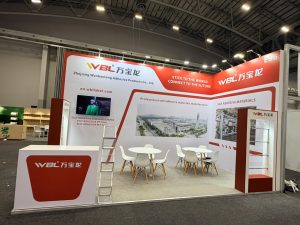
Planning an exhibition in New Zealand involves more than choosing a booth design. International exhibitors need to confirm the venue, floorplan, freight route, biosecurity requirements and local installation arrangements before production begins. This guide covers practical considerations for events in Auckland and Hamilton, including Fieldays at Mystery Creek Events Centre.
Fieldays 2027 is scheduled for 16–19 June at Mystery Creek Events Centre. The organiser describes the event as bringing together more than 1,100 exhibitors and over 100,000 visitors, making it an important opportunity for companies serving agriculture, machinery, technology and primary industries. Check the official Fieldays website for current exhibitor information and application deadlines.
Choose the booth format around your products
Fieldays and indoor exhibitions have different display requirements. Outdoor or machinery-focused stands may need weather-resistant finishes, safe access around equipment, clear product demonstration zones and suitable ground protection. Indoor stands may place more emphasis on lighting, graphics, meeting space and compact storage. Start with the exhibitor floorplan and confirm the open sides, dimensions and any height or structural restrictions before developing the design.
Check New Zealand biosecurity rules before shipping
Wooden crates, pallets and other wood packaging used to transport booth materials may be subject to New Zealand biosecurity requirements. MPI explains that importers need to check the applicable Import Health Standard, confirm whether the packaging carries a compliant ISPM 15 mark and arrange treatment or certification where required. Sea containers may also need to be transferred to an approved transitional facility for unpacking. Review the current MPI steps for importing wood packaging and consult a customs broker before dispatch.
Confirm venue approvals and technical requirements
Fire performance, structural documents, electrical services, rigging, access times and contractor requirements can vary by venue and event. Do not assume one certificate or installation method applies to every show. Ask the organiser for the latest exhibitor manual, identify which technical submissions are required and confirm who will prepare them. The booth builder should also explain who supervises installation and dismantling on site.
Plan freight and local installation together
Compare shipping the full booth with producing selected elements locally. A reusable structure may be worth transporting when it fits several events, but the decision depends on packed dimensions, weight, freight schedule, customs requirements, storage and local labour. For a one-off show, local sourcing may be practical for counters, platforms or furniture if the materials and finish meet the approved design.
What to include in your booth brief
- Exhibition name, venue and event dates
- Booth dimensions, open sides and organiser floorplan
- Product list, machinery dimensions and display requirements
- Meeting area, reception counter and storage needs
- Lighting, power, screens and other technical services
- Freight plan, wood packaging details and delivery deadline
- Installation, dismantling and local supervision requirements
Work with a team that understands local execution
New Power Exhibition has 18 years of experience supporting international exhibitors with booth design, production coordination, logistics and on-site installation. Projects should be planned around the actual venue rules and local construction arrangements, with clear responsibility for freight, technical submissions, installation and dismantling.
For a wider view of booth planning, read our trade show booth construction process guide and global booth dimensions guide. Contact New Power Exhibition with your event name, venue and booth size to discuss a practical New Zealand build plan.