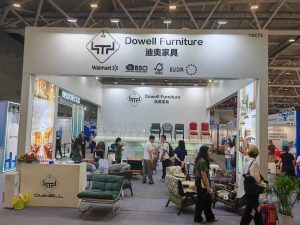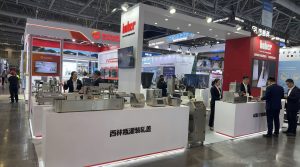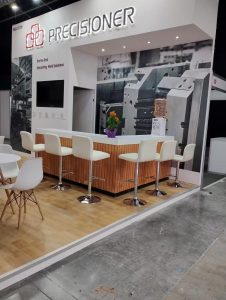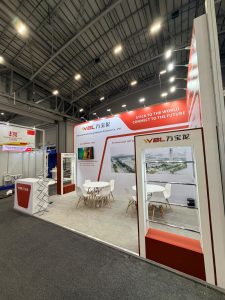
If you are planning an Angola trade show booth, one event will almost certainly shape the plan: FILDA, the Feira Internacional de Luanda. Held every July at the ZEE Luanda-Bengo Special Economic Zone, FILDA is Angola’s largest multi-sector international fair and the closest thing the country has to a national marketplace. This guide explains what exhibitors need to know about dates, venue logistics, booth design and realistic budgets, combining verified fair data with hands-on building experience in Luanda.
Why Exhibit in Angola
Angola is one of Africa’s largest oil producers, but its exhibition market is no longer only about hydrocarbons. Construction, agriculture, telecoms and consumer goods have all grown into active sourcing categories, and the country’s position on the Atlantic coast makes Luanda a practical gateway for buyers serving the Democratic Republic of Congo, Zambia and Namibia. That regional pull was visible at FILDA 2026, where the South African national pavilion alone recorded more than 2,000 visitors, 82 trade leads, contacts with 341 buyers and 55 facilitated business-to-business meetings, according to South Africa’s Department of Trade, Industry and Competition.
The fair’s scale supports that commercial appetite. AUMA, the German exhibition industry association, lists around 139,000 admissions for the Luanda International Fair, and Germany has maintained a federal joint stand at the event through AHK Angola — a signal that established exporting nations treat FILDA as a serious market-entry platform rather than a local showcase. For manufacturers in machinery, building materials, energy, agri-processing and consumer products, an Angola trade show booth at FILDA puts you in front of distributors who rarely travel to European fairs.
FILDA 2027: Dates, Venue and Organizer
FILDA 2026 ran from 21 to 26 July 2026 at the ZEE Luanda-Bengo Special Economic Zone exhibition park in Viana, on the outskirts of the capital. The 2027 edition is currently announced for 20 to 25 July 2027 at the same venue; because dates can shift by a day or two year to year, confirm the final calendar with the organizer, Grupo Eventos Arena, on the official FILDA website.
Three venue facts matter for planning. First, the park sits in the Icolo e Bengo area along the corridor of the new Dr. António Agostinho Neto International Airport (NBJ), so airport-side hotels and pre-arranged transfers shorten daily commutes. Second, Luanda’s stock of international-standard hotels is limited and the city is consistently ranked among the most expensive for business travel; book rooms the moment your space is confirmed. Third, Portuguese is the working language of the fair — bring bilingual booth staff or an interpreter, and prepare graphics in Portuguese alongside English. The kwanza (AOA) fluctuates, so quote and settle supplier contracts in USD or EUR where possible.
Booth Rules, Freight and On-Site Realities
The ZEE exhibition park is relatively new, which means technical documentation is still maturing. Request written regulations for power supply, maximum build heights and rigging approvals directly from the organizer at booking stage, and submit electrical plans early. Hanging structures and high-voltage work should always go through venue-approved crews.
Freight is the biggest operational difference between Luanda and more mature destinations. Sea freight from Asia to Luanda port typically needs six to ten weeks of planning, and customs paperwork rewards experience: work with a freight partner who has cleared exhibition cargo through Angolan customs before, and consider air-freighting graphics while the structure travels by sea. Coastal humidity in Luanda regularly exceeds 70 percent, so specify moisture-resistant materials — sealed-edge MDF, anti-humidity coatings and laminated graphics — and reinforce joints to handle temperature swings. If you are new to the region, our Africa exhibition booth builder guide covers these adjustments in detail.
Booth Design and Budgeting for Luanda
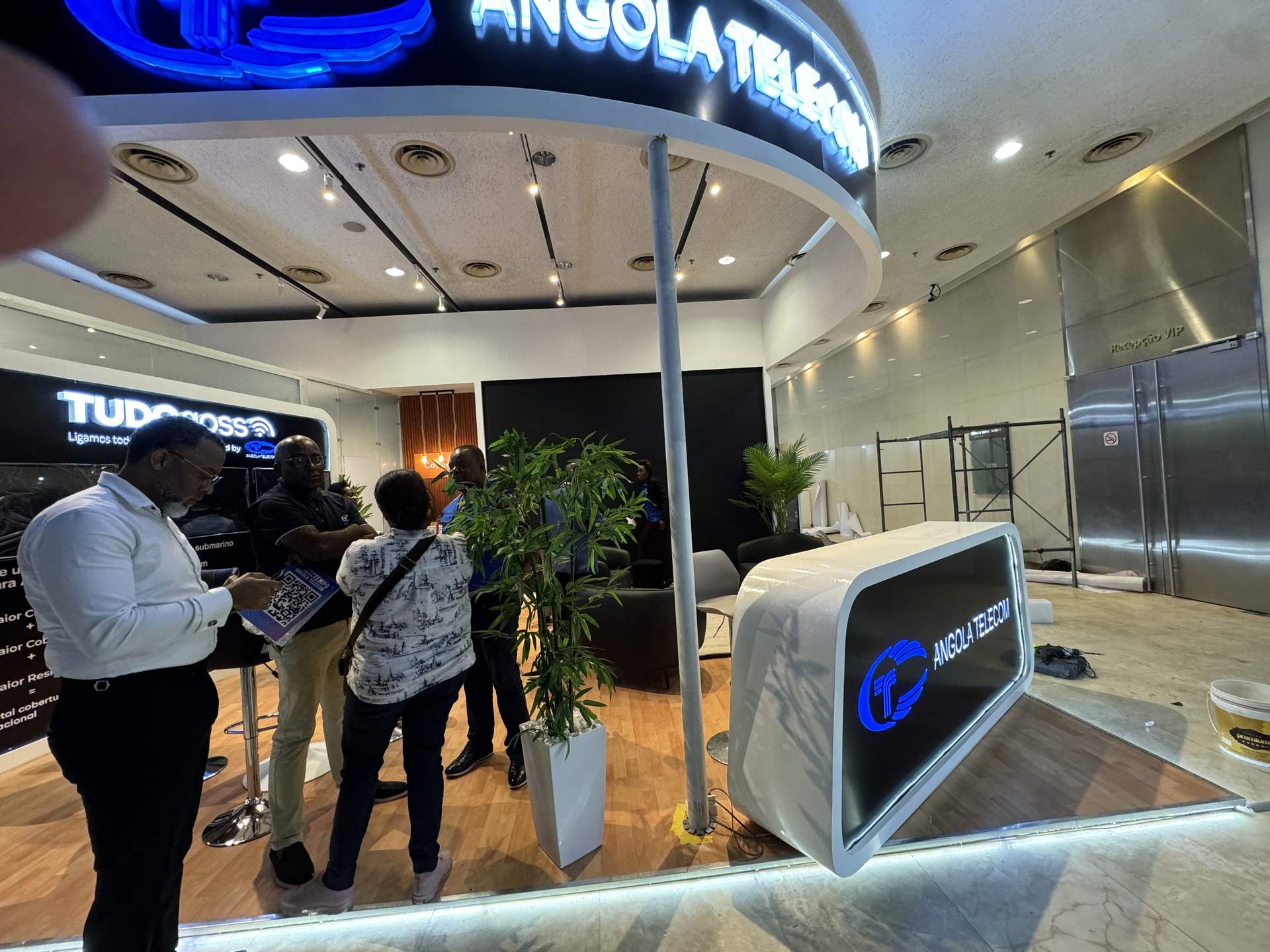
For most international exhibitors, a modular aluminium system is the smartest structure for an Angola trade show booth. Components pack flat, install with a small crew, and reconfigure across shows of different sizes — our own project data across Africa shows modular systems reaching break-even at the third deployment. The economics are compelling: an identical 100-square-metre custom build runs roughly EUR 18,000 in Africa versus EUR 35,000 in Europe and EUR 55,000 in the United States, and the gap widens further when one structure serves three African shows. Keep the build honest for the climate: open sightlines that survive humid air, hard-wearing flooring, and a generous meeting area, because FILDA conversations tend to run long and relationship-driven. Experienced builders such as New Power Exhibition (NeoBooths) pre-fabricate in Shenzhen with moisture-sealed finishes and send supervised crews to Luanda, so the on-site work you pay for is predictable rather than experimental.
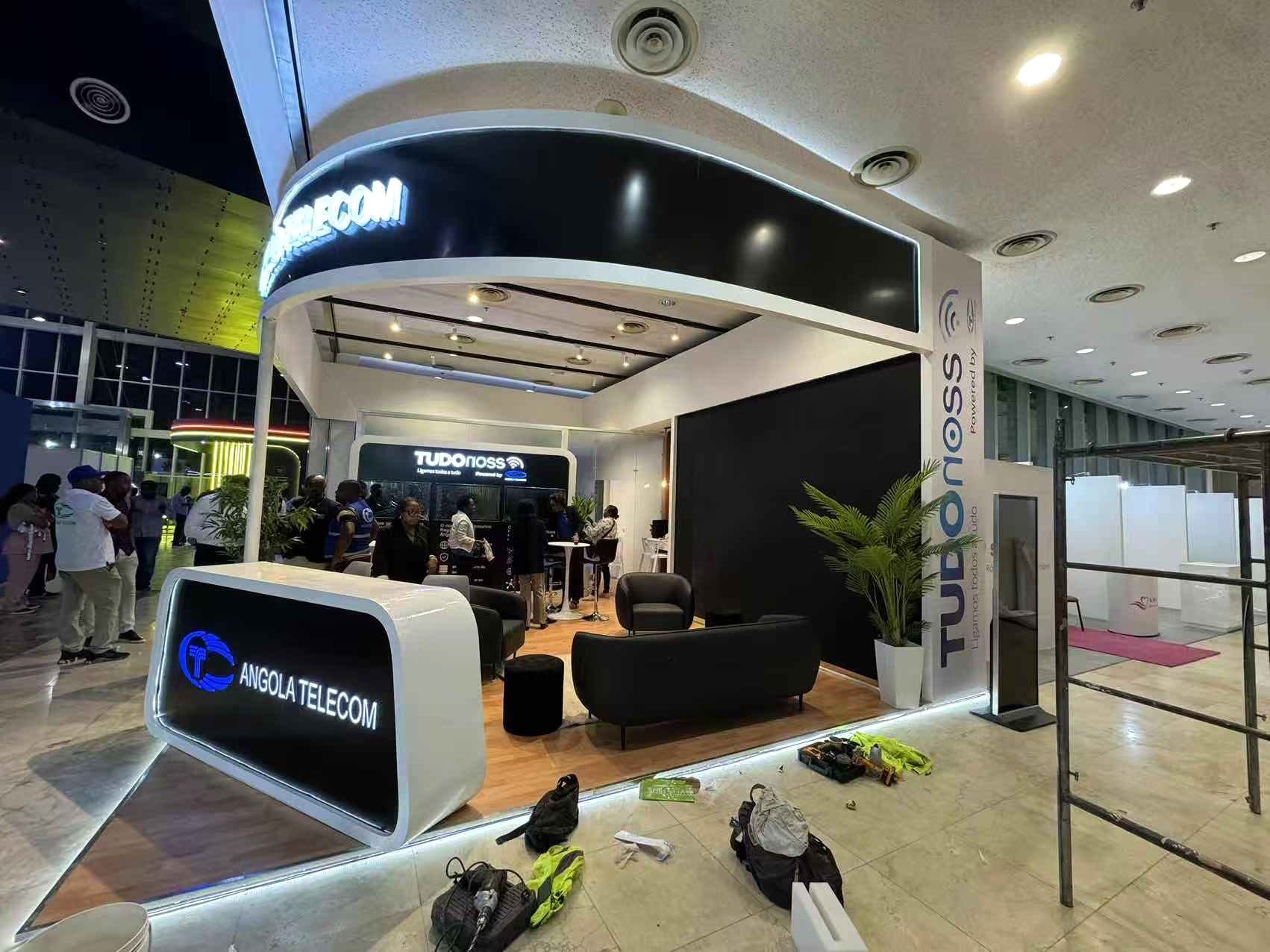
One warning belongs in every budget: in Angola you are buying reliable execution, not just a booth. Labour rates are lower than in Europe, but a missed crew, a stuck container or an undersized generator can erase the savings. Compare quotes on the full cost to execute — fabrication, freight, customs, installation, power and dismantling — not on the carpentry line alone. For a benchmarked walkthrough, see our cost comparison covering exhibition booth costs in Africa, Europe and the USA.
A Practical Timeline for FILDA Exhibitors
Twelve to nine months out, reserve space through the organizer and lock a budget using the full-execution method above. Nine to six months out, freeze the design and book sea freight — the six-to-ten-week transit window is non-negotiable. Six to three months out, start production, apply for business visas and reserve hotels. One month out, approve final graphics, request factory pre-build photos, and confirm on-site power and crew schedules. In show week, arrive for build-up with buffer days: Angolan sites reward patience and on-site supervision. After the fair, follow up every lead within 48 hours while the conversation is still warm — the buying cycles that start at FILDA are long, and first movers close them.
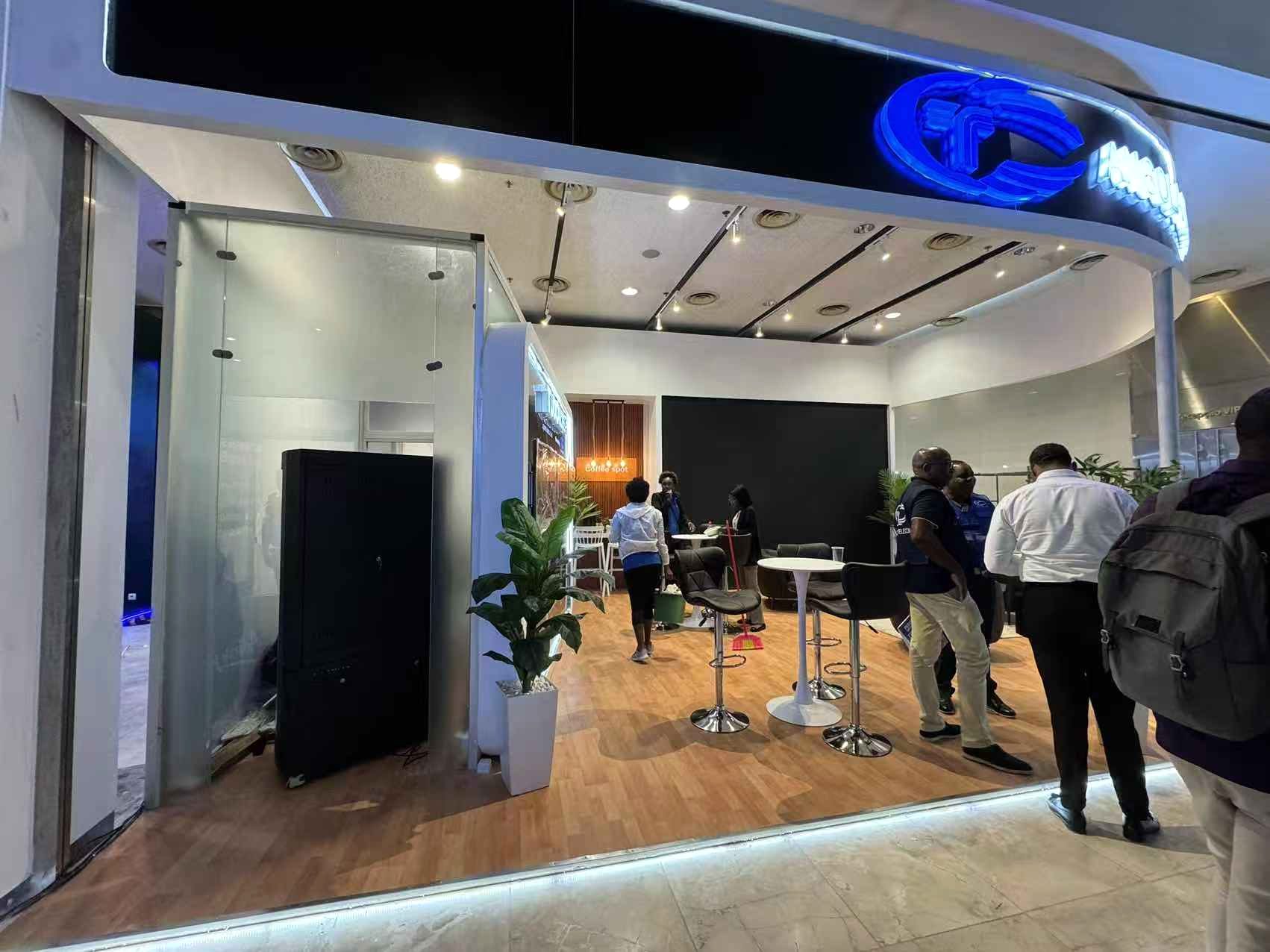
If you want a single point of accountability from Shenzhen fabrication to Luanda installation, our end-to-end booth solution covers design, freight, customs and union-compliant installation in one contract. Share your booth size and target date and the team replies within 24 hours via the contact page.
FAQ
When is FILDA 2027?
FILDA 2027 is currently announced for 20 to 25 July 2027 at the ZEE Luanda-Bengo Special Economic Zone exhibition park in Viana, Luanda. Dates have shifted slightly in past editions, so confirm the final calendar on the official FILDA website before booking travel.
How much does an Angola trade show booth cost?
Budgets are project-specific, but as a benchmark, a 100-square-metre custom build costs roughly EUR 18,000 in Africa versus EUR 35,000 in Europe and EUR 55,000 in the USA, based on cross-region project data from 32 countries. Space-only rates are lower, while freight, customs and supervision form a larger share of the total than in mature markets — always quote the full cost to execute.
Can I ship a booth from China to Luanda?
Yes, and it is the standard route. Plan six to ten weeks of sea freight to Luanda port, clear customs with an experienced exhibition-freight partner, and air-freight graphics as a safety net. Modular aluminium systems cut shipping volume by up to 60 percent compared with one-off custom builds.
Do I need a local contractor to build my stand in Angola?
The organizer must approve electrical and rigging work, so venue-accepted crews are required for those trades even when the structure arrives pre-fabricated. Working with an international builder that sends its own supervised installation team — and coordinates approved local labour for power and rigging — is the most reliable setup for first-time exhibitors at FILDA.