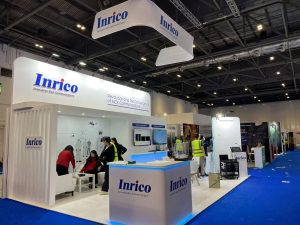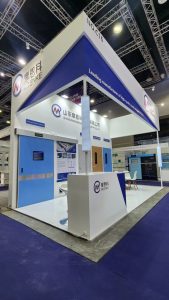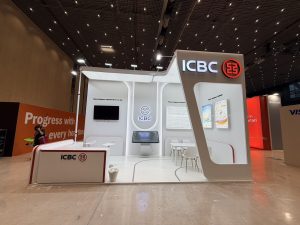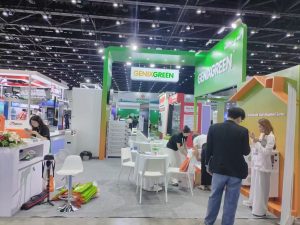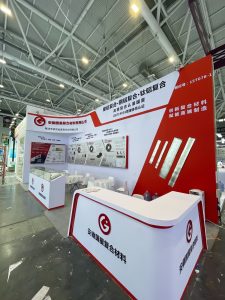
The UK remains one of Europe’s most reliable markets for face-to-face business, and planning a UK trade show booth is very different from planning one in Germany, Spain or the United States. Between London’s Docklands and Birmingham’s National Exhibition Centre, British venues run on strict build rules, tight vehicle curfews and appointment-driven show formats. This guide walks international exhibitors through the events worth attending, what a booth actually costs in 2026, and how to get a stand built, installed and dismantled without surprises.
Why Exhibit in the UK
The UK trade show circuit is compact, well-organised and buyer-heavy. British buyers are used to doing business at shows: pre-booked meetings, short decision chains and a strong culture of reviewing suppliers on the floor. English-language logistics also remove a layer of friction for overseas teams, and venues like ExCeL London and the NEC sit directly on major rail and air links. For brands testing the European market, the UK is often the easiest first step: one language, dense media coverage and a show calendar that covers travel, retail, engineering, food and technology all within a few months.
Key UK Trade Shows and Venues
Three events anchor the calendar for most international exhibitors:
- WTM London 2026 – 3–5 November 2026 at ExCeL London. The world’s most influential travel and tourism trade show, with 4,112 exhibitors, around 46,500 attendees, 5,500 world-class buyers and representation from 180+ countries (see the official WTM London site for details). It runs on pre-booked appointments, so your booth has to support scheduled meetings rather than passing footfall.
- Spring Fair 2027 – 7–10 February 2027 at the NEC Birmingham. The UK’s biggest wholesale buying event for home, gift and fashion, with 1,500+ brands and roughly 38,000 buyers from 140+ countries.
- Advanced Engineering 2026 – 4–5 November 2026 at the NEC Birmingham (Halls 3 & 3a). The UK’s leading advanced manufacturing and supply chain event, with 400+ suppliers and 9,000+ engineering professionals.
Venue-wise, ExCeL London offers around 100,000 square metres of flexible hall space in the Docklands, served by the Elizabeth line and DLR. The NEC Birmingham is the UK’s largest exhibition centre with 18 interconnected halls, and roughly 75% of the UK population lives within three hours of it. Both venues are international-friendly, with Birmingham Airport directly beside the NEC and London City Airport a short transfer from ExCeL.
UK Exhibition Stand Costs Explained
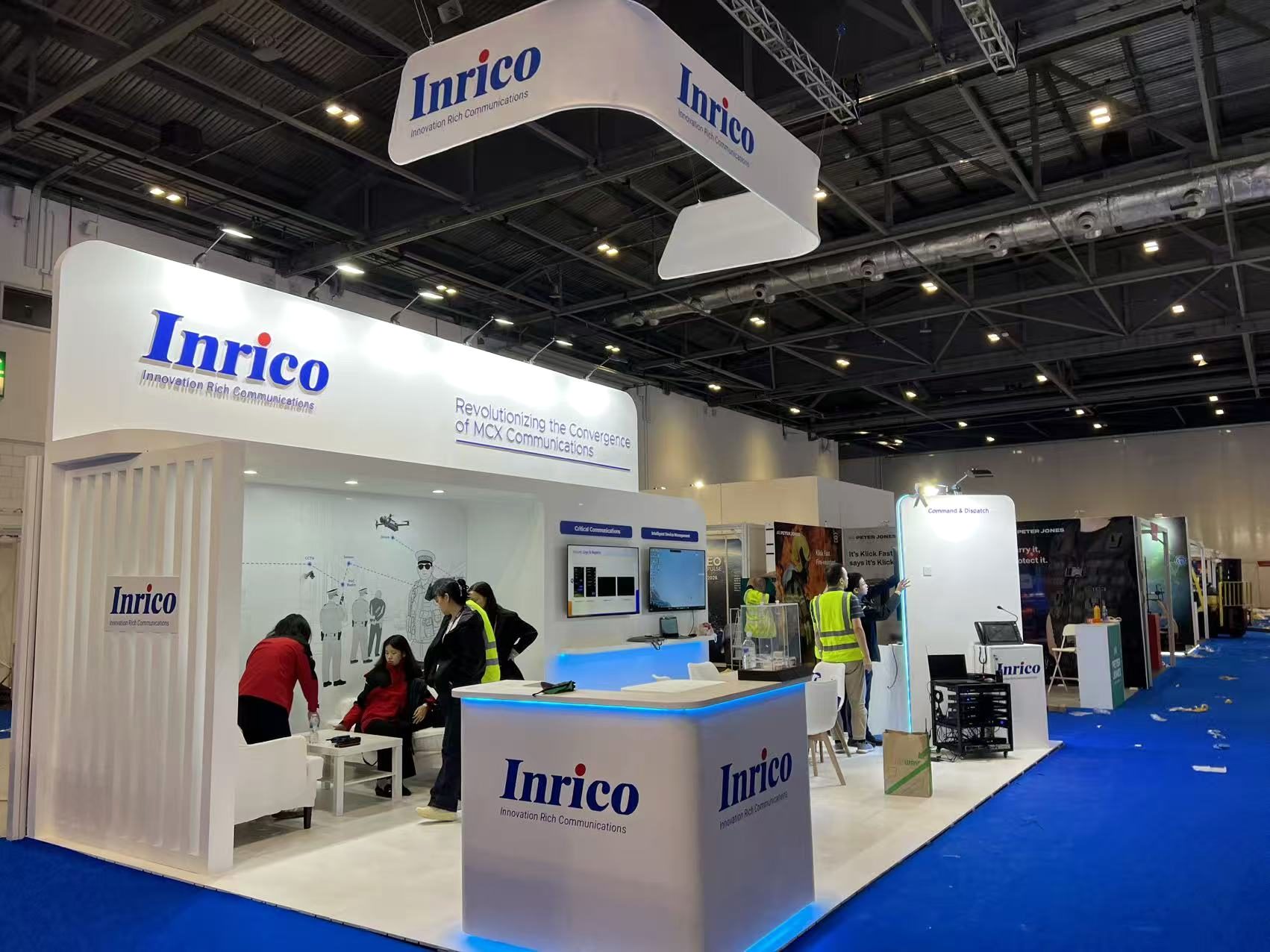
UK budgets split into two invoices: floor space (paid to the organiser) and the stand build (paid to your contractor). For 2026, space-only rates at large national shows such as those at ExCeL and the NEC typically run £200–£450 per square metre – so a 12 sqm stand can cost £3,000–£5,400 in space alone before a single wall goes up. Shell scheme packages at specialist shows often land in the £400–£600 per sqm range.
On the build side, realistic 2026 ranges are:
- Shell scheme graphics and lighting upgrade: £1,000–£2,500
- Turnkey modular stand, installed: £5,000–£12,000
- Bespoke custom build: £15,000–£50,000+ for larger island stands
A sensible benchmark for a first-time exhibitor with a 12 sqm stand at a major UK show is a total budget around £9,000–£12,000 including space, a mid-range fitout, power, graphics, furniture hire and freight. Budget separately for the items that quotes rarely include: electrics, rigging, stand cleaning, storage between shows, and venue parking during the build (around £25–£35 per 24 hours at ExCeL). Asking your builder to itemise these six lines before you compare quotes is the single fastest way to avoid a month-one surprise invoice.
Venue Rules: ExCeL London vs NEC Birmingham
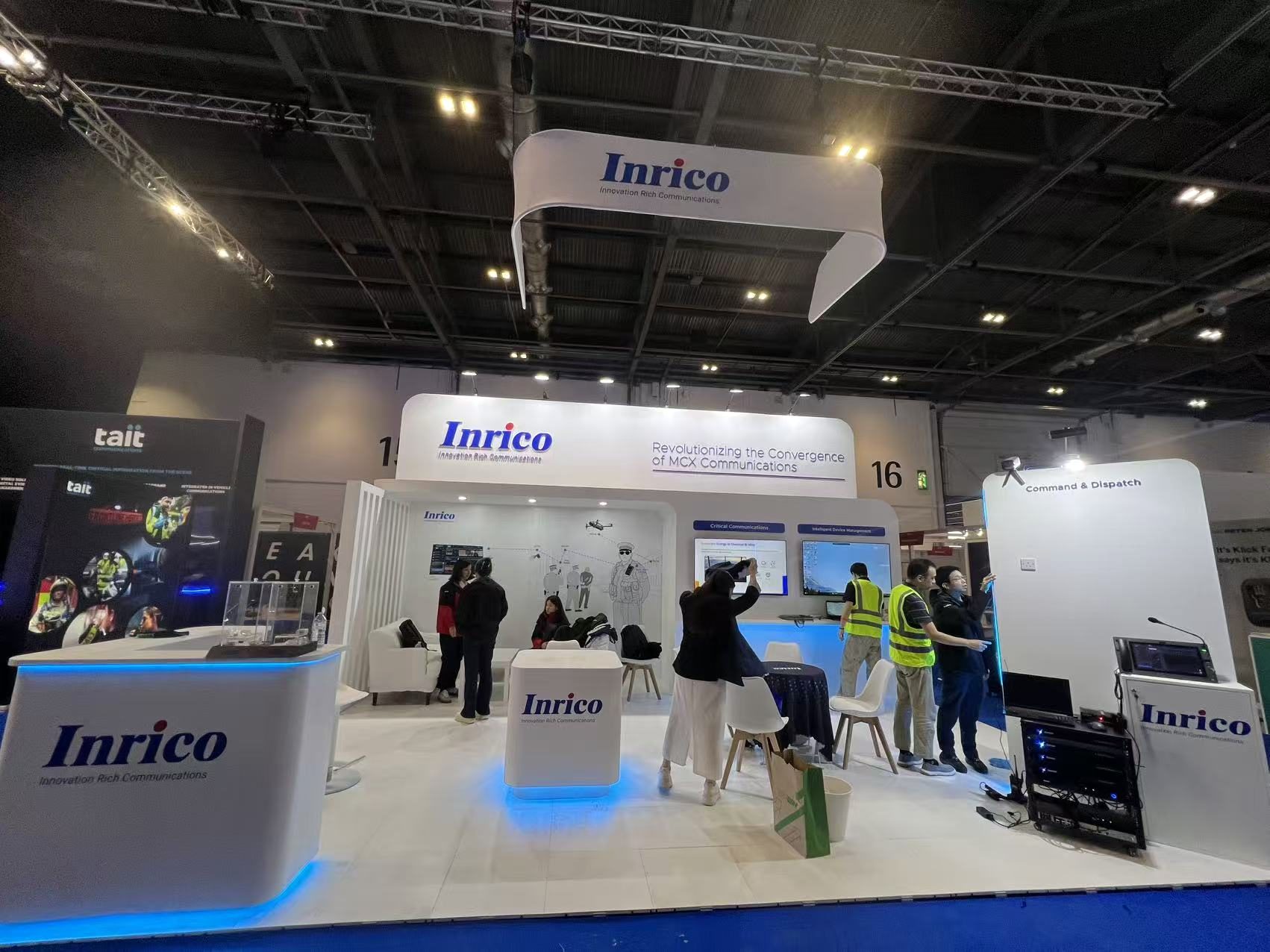
UK venues are friendlier than they look, but they enforce their rules to the letter. ExCeL sits in a residential neighbourhood, so vehicle access windows and noise curfews during build-up and break-down are strict and actively policed – contractors who have not read the venue’s build guidance routinely lose their build slot. The NEC operates on organiser e-guides with hall-specific floor loading and height limits, and its size means early slot booking matters even more. Across both venues, expect mandatory method statements and risk assessments, RAMS sign-off before build can start, and hard deadlines for stand approval drawings – typically four to six weeks before the show opens.
This is where an experienced partner pays for itself. New Power Exhibition (NeoBooths) has delivered stands at both ExCeL and the NEC, handles UK RAMS paperwork, venue approvals and certified on-site crews as part of a turnkey service, so overseas teams can land, exhibit and fly home without touching a tool box.
Booth Design Tips That Work on the UK Show Floor
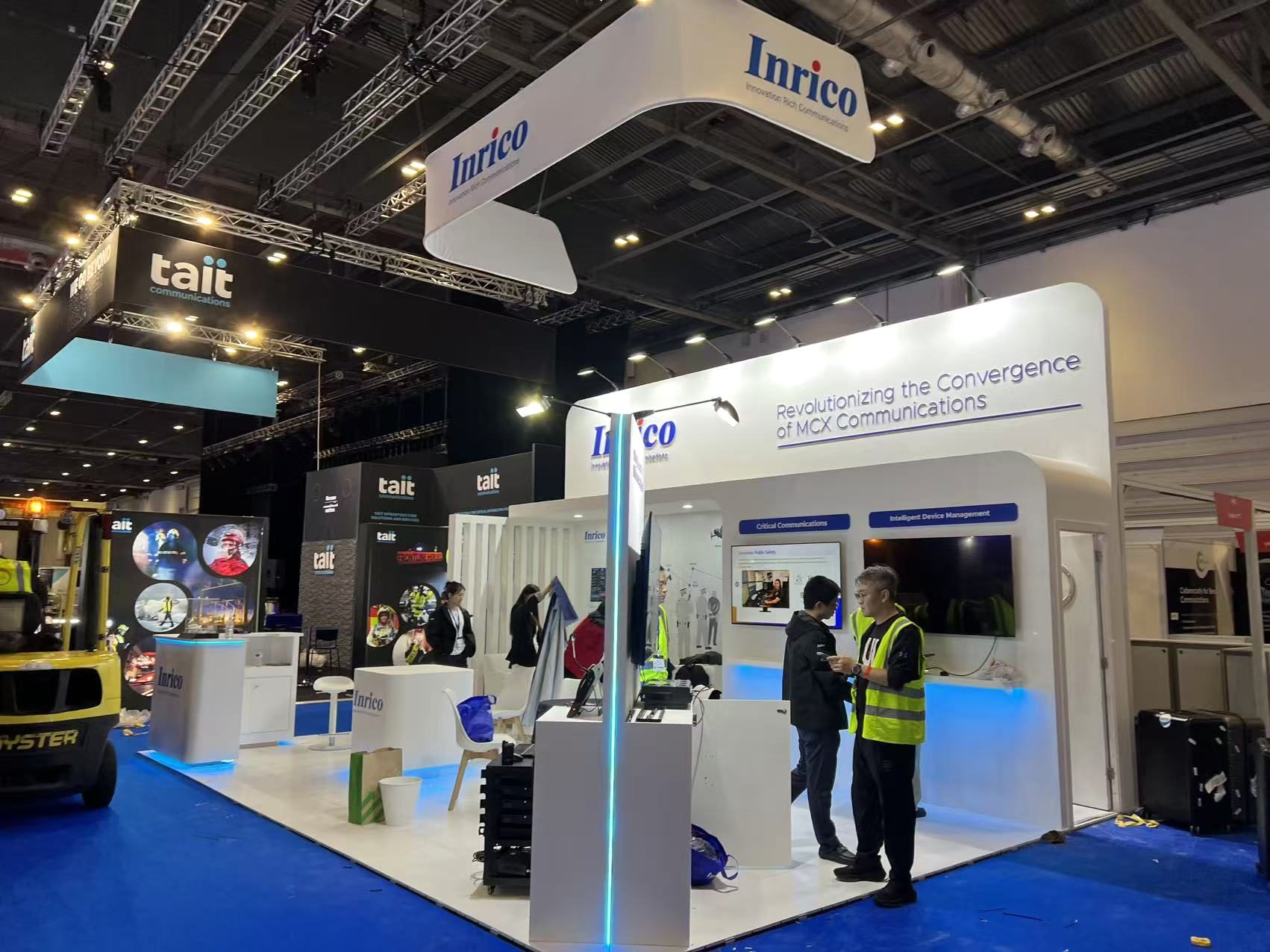
UK shows, especially appointment-led ones like WTM, reward booths built for meetings rather than spectacle. Design a real hospitality zone – comfortable seating, a clean counter, and space where a buyer can sit for a 20-minute conversation without feeling exposed to the aisle. Graphics should be legible from ten metres but toned down compared with Gulf or US show floors; British buyers respond better to understated, premium finishes than to flashing LEDs. Sustainability is no longer optional either – reusable modular structures, fabric graphics and clearly labelled recyclable materials now influence both organiser approvals and buyer perception. If your competitors are running activations, a quiet, well-lit meeting space with strong coffee is a surprisingly effective counter-move.
Practical Logistics for Overseas Exhibitors
Freight into the UK is straightforward but has its quirks. Shipments from outside the UK need correct commodity codes and, for most temporary imports, an ATA Carnet – missing paperwork is the most common cause of freight sitting in customs while the hall floor opens. Book space six to twelve months ahead for flagship events, approve your design eight to ten weeks out, and have graphics finalised by four weeks. On-site, UK crews work fixed hours with union-style discipline around forklifts and rigging: last-minute changes that would be absorbed overnight in Asia usually cost real money in the UK. Build buffer into your timeline, confirm storage for empty crates before build day, and walk your stand with the site manager before handover.
Frequently Asked Questions
How much does a UK trade show booth cost?
For a 12 sqm stand at a major show, expect roughly £3,000–£5,400 for space-only rental plus £5,000–£7,000 for a mid-range fitout, power and graphics – around £9,000–£12,000 all-in. Bespoke custom builds start at £15,000 and scale with size and finish.
What are the biggest trade shows in the UK?
WTM London (travel, November, ExCeL), Spring Fair (retail and gift, February, NEC Birmingham) and Advanced Engineering (manufacturing, November, NEC) are among the most internationally relevant, alongside sector staples like IFE for food and drink.
How far in advance should I book space at a UK show?
Six to twelve months is realistic for flagship events; prime positions at the NEC and ExCeL often sell out earlier. Design approval drawings are typically due four to six weeks before opening.
Do I need a local stand builder in the UK?
Not strictly, but a builder with UK venue experience saves you the RAMS paperwork, approval drawings and build-slot headaches that catch most overseas teams out. A turnkey partner like New Power Exhibition covers design, build, install and dismantle under one contract.